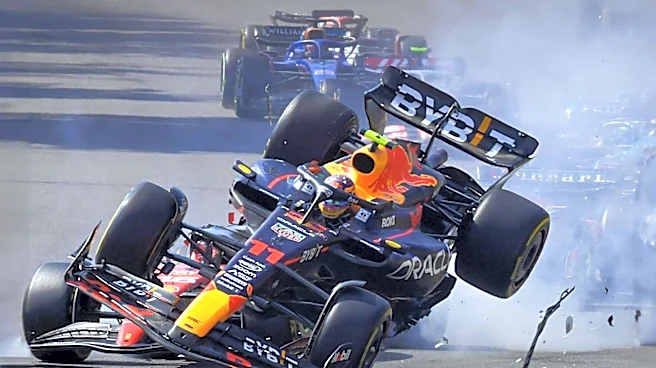





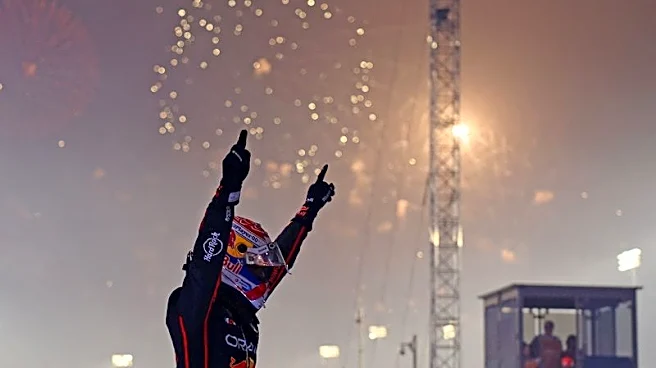
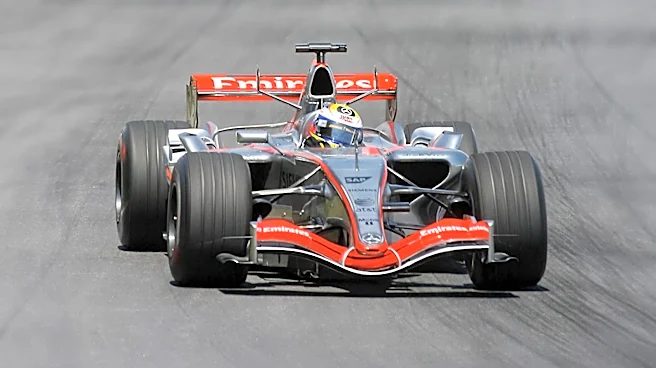
Formula One, often referred to as F1, stands as the premier class of single-seater auto racing, officially sanctioned by the Fédération Internationale de l'Automobile (FIA). The sport's very name, "formula," signifies a strict set of rules that all participating cars must adhere to. This foundational principle has guided Formula One through decades of evolution, from its initial establishment to its current status as a globally recognized motorsport.
The journey of F1 is marked by significant regulatory changes, commercial developments, and a steady expansion beyond its traditional European roots.
The F1 World Championship season is comprised of a series of races known as Grands Prix, a term that translates to "Big Prizes." These races are typically held on purpose-built circuits, though some take place on closed city streets. The results from each Grand Prix are compiled to determine two annual World Championships: one for drivers and another for constructors. This dual championship structure has been a cornerstone of the sport since its early days, with the World Championship for Drivers first contested in 1950, following the agreement on the Formula One standard in 1946. The Constructors' Championship was later introduced in 1958 and has been awarded every year since.
The Genesis of Commercial Organization and Rights
The commercial landscape of Formula One began to take shape with the founding of the Formula One Constructors' Association (FOCA) in 1974. FOCA's primary goal was to enhance the commercial organization of Formula One, benefiting the racing teams involved. A pivotal moment arrived in 1978 when Bernie Ecclestone assumed leadership of FOCA. Under his guidance, FOCA engaged in a significant struggle with the Fédération Internationale du Sport Automobile (FISA) for control over the commercial rights of F1. These disputes eventually led to the first Concorde Agreement in March 1981, which granted FOCA the authority to negotiate television contracts. This was a crucial development, as previous arrangements for TV contracts were often considered risky and not particularly lucrative.
Further commercial restructuring occurred with the second Concorde Agreement in 1987. At this point, Ecclestone transitioned from being a team owner and established Formula One Promotions and Administration (FOPA) to manage the television rights on behalf of the teams. FOPA, which would later become known as Formula One Management (FOM), played a central role in distributing revenues. Under this arrangement, FOPA received 49% of the TV revenues, while 1% went to the teams, and the FIA received the remaining 50%. Additionally, FOPA was responsible for collecting all fees paid by promoters and for distributing prize money to the teams. The third Concorde Agreement was subsequently signed in 1992, further solidifying these commercial structures.
Granting Commercial Rights and Team Protests
A significant shift in the control of commercial rights occurred with the fourth Concorde Agreement in 1995. In this agreement, the FIA decided to grant the commercial rights of F1 to Formula One Administration, which was managed by FOM, for an extended period of 14 years. In return for these exclusive rights, Ecclestone was required to make an annual payment. This arrangement, however, sparked controversy, particularly because FOM held exclusive rights to popular team names such as McLaren, Williams, and Tyrrell. These teams voiced their protest by initially rejecting the subsequent Concorde Agreement in 1997. A compromise was eventually reached, leading to a new Concorde Agreement being signed by all teams in 1998, ensuring their continued participation and cooperation within the sport's commercial framework.
Global Expansion and Modern Performance
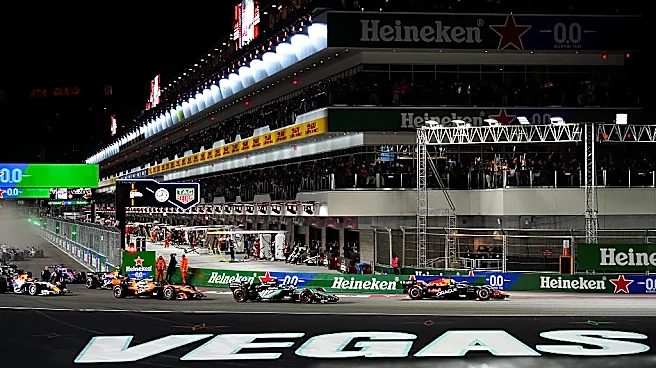
While Europe has historically served as the traditional base for Formula One, with all racing teams headquartered there, the sport's reach has expanded considerably in recent years. An increasing number of Grands Prix are now held on other continents, to the extent that more than half of all races currently take place outside of Europe. This global expansion reflects the growing international appeal and market for Formula One. Modern F1 cars are engineering marvels, designed for extreme performance. They can reach speeds of up to 365 km/h (227 mph) and utilize hybrid power units. The performance of these power units is capped at a maximum of 15,000 revolutions per minute (RPM). Furthermore, these cars are capable of generating lateral acceleration exceeding 5g in corners, showcasing the incredible forces drivers endure and the advanced technology involved in this premier class of motor racing.