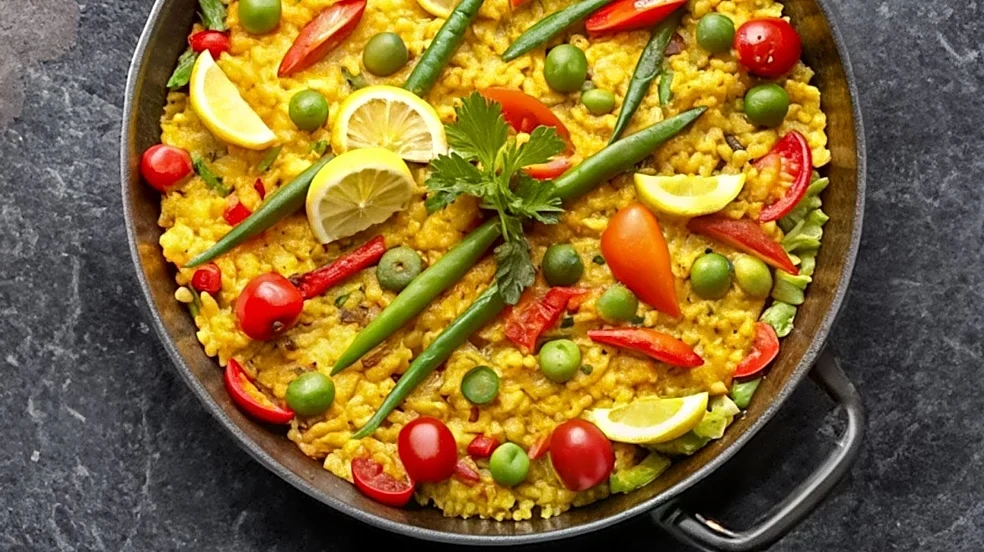





Paella, a rice dish originating from the Valencian Community in Spain, stands as a significant symbol of its region and one of the most recognized dishes in Spanish cuisine. While it boasts ancient roots, its modern form is specifically traced back to the mid-19th century. This iconic dish takes its name from the wide, shallow traditional pan, also called a paella, used to cook it over an open fire. The word "paella" itself has a linguistic history,
tracing back to Old French and the Latin word "patella," meaning a small dish or frying pan. The evolution of paella from a simple farmer's meal to a globally celebrated dish reflects centuries of culinary adaptation and cultural significance.
Early Origins and Humble Beginnings
The history of paella is deeply intertwined with the agricultural practices and available resources of the Valencian region. Originally, paella was a lunchtime meal prepared by farmers and farm laborers in Valencia. These workers would gather ingredients readily available around the rice fields, which often included tomatoes, onions, and snails. Rabbit or duck were common additions, with chicken being used less frequently. This resourceful approach to cooking highlights the dish's humble origins as a practical and nourishing meal for those working the land.
Further back in time, 18th-century Valencians living near the Albufera de València lagoon would use large cooking pots, known as calderos, to prepare rice dishes in the open air of their orchards. During this period, water vole meat was a primary ingredient in early paellas, alongside eel and butter beans. This demonstrates a reliance on local wildlife and aquatic resources, showcasing a different set of ingredients compared to later versions. The novelist Vicente Blasco Ibáñez even described the Valencian custom of eating water voles in his 1902 novel, *Cañas y barro*, which depicted life among the fishermen and peasants near the Albufera lake.
The Rise of Paella Valenciana and Ingredient Evolution
The late 19th century brought sociological changes to Spain, leading to improved living standards and an increase in social gatherings and outdoor excursions. These shifts influenced the ingredients used in paella, with rabbit, chicken, duck, and sometimes snails becoming more common. The dish's growing popularity was such that by 1840, a local Spanish newspaper, for the first time, used the word "paella" to refer to the recipe itself, rather than just the cooking pan, according to food historian Lynne Olver.
The most comprehensive ingredient list from this era for what would become known as paella valenciana included short-grain white rice, chicken, rabbit, optional snails and duck, navy beans, great northern beans, runner beans, artichoke (as a winter substitute for runner beans), tomatoes, fresh rosemary, sweet paprika, saffron, optional garlic, salt, olive oil, and water. Poorer Valencians sometimes relied solely on snails for meat. Today, many Valencians maintain that only these specific ingredients should be used in modern paella valenciana, emphatically stating that fish and shellfish are "absolutely out of the question." They also adhere to a rule that fresh rosemary should not be added to paella valenciana if rosemary-eating snails are included, indicating a deep respect for traditional preparation methods and ingredient integrity.