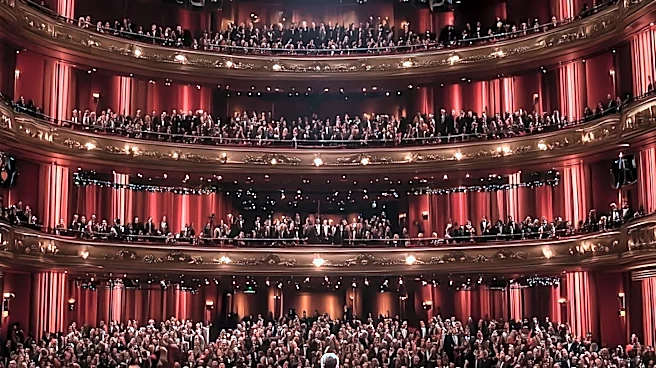




Enrico Caruso, the celebrated Italian operatic tenor, left an indelible mark on the Metropolitan Opera in New York City, where he became a central figure for nearly two decades. While his voice graced prestigious stages across Europe and the Americas, including La Scala in Milan and the Royal Opera House in London, it was at the Met that he established his most consistent and impactful presence. His tenure there spanned 18 consecutive seasons, solidifying
his status as the leading tenor of his era and making him a beloved figure in New York's vibrant cultural scene.
A Landmark American Debut and Signature Roles
Caruso's American debut at the Metropolitan Opera in 1903 was a significant event, marking the beginning of his long and successful association with the institution. His performance in Verdi's *Rigoletto* was met with considerable acclaim, immediately establishing him as a favorite among New York audiences and critics alike. This initial success paved the way for a remarkable career at the Met, where he would go on to perform in a wide array of roles, showcasing his versatility and powerful vocal abilities.One of his most notable achievements at the Met was creating the role of Dick Johnson in Giacomo Puccini's *La fanciulla del West*. This world premiere took place in 1910, further cementing Caruso's reputation as a leading interpreter of contemporary opera. His ability to bring new characters to life on stage, combined with his mastery of established repertoire, made him an indispensable asset to the Metropolitan Opera.
Beyond the Elite: Caruso's Broad Appeal
Caruso's popularity at the Metropolitan Opera extended far beyond the city's wealthy elite. He cultivated an immense following among New York's substantial Italian immigrant community, which numbered around half a million people at the time. These audiences, along with the city's middle classes, eagerly paid to hear him sing, demonstrating the broad appeal of his artistry. His performances were not just artistic events but also significant cultural moments for these communities, offering a connection to their heritage and a shared experience of exceptional talent.His influence was further amplified by his pioneering work in recording. From 1904 to 1920, Caruso made over 260 recordings for the Victor Talking Machine Company, later RCA Victor. These records allowed his voice to reach an even wider audience, and he and his heirs earned millions in royalties from their sales. This commercial success meant that even those who could not attend live performances at the Met could still experience his voice, making him the first international recording star.