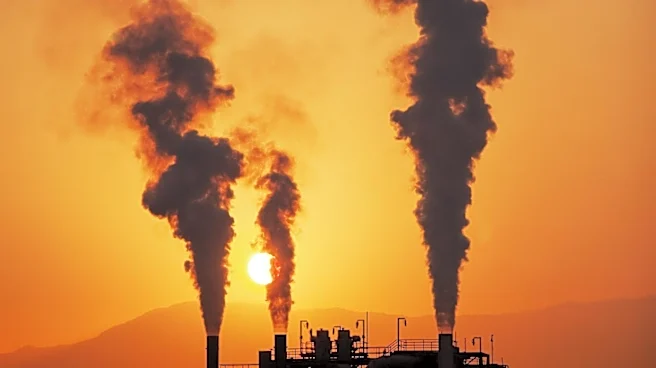







The regulation of greenhouse gases (GHGs) under the Clean Air Act (CAA) has been a complex and often contentious area of U.S. environmental law. While the CAA was initially designed to address traditional air pollutants, its broad language eventually led to legal challenges that reshaped its application to climate change. The pivotal moment arrived with the Supreme Court's decision in *Massachusetts v. Environmental Protection Agency*, which fundamentally
altered the landscape of GHG regulation, establishing the EPA's authority to address these emissions under the existing framework of the CAA.
The Road to *Massachusetts v. EPA*
Prior to the Supreme Court's intervention, the EPA had taken the position that it lacked the authority under the CAA to regulate global climate change and that carbon dioxide (CO2) and other GHGs could not be considered air pollutants under the Act's provisions. This stance was articulated in 2003 when the EPA denied a petition from the International Center for Technology Assessment (ICTA) and other parties. The agency argued that even if it had the authority, it would decline to regulate motor vehicle GHG emissions as a matter of policy, favoring non-regulatory efforts such as voluntary reductions and research into climate change uncertainties.
However, the petitioners in *Massachusetts v. EPA* contended that CO2, methane (CH4), nitrous oxide (N2O), and hydrofluorocarbons met the definition of an "air pollutant" under section 302(g) of the Act. They further argued that statements from the EPA, other federal agencies, and the United Nations Intergovernmental Panel on Climate Change (IPCC) indicated that these pollutants could reasonably be anticipated to endanger public health and welfare. Based on these factors, they asserted that the EPA had a mandatory duty to regulate GHGs under section 202 of the Act, which requires the Administrator to establish standards for any air pollutant from new motor vehicles that may endanger public health or welfare.
A Landmark Supreme Court Ruling
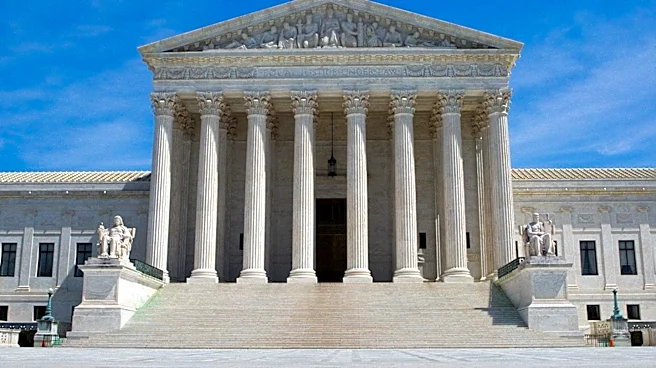
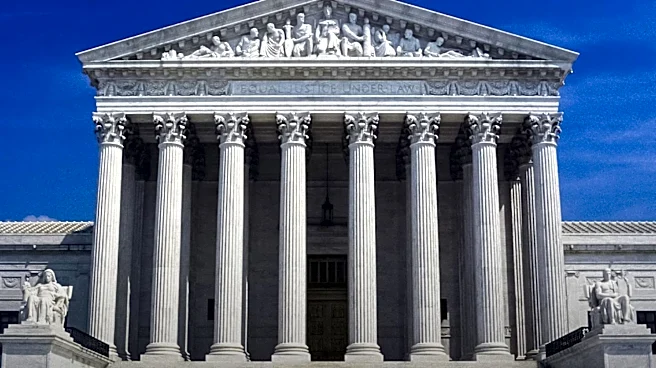
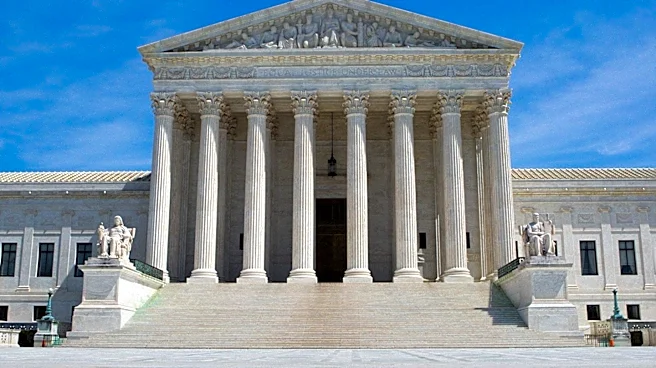
In a significant 5–4 decision, the Supreme Court in *Massachusetts v. Environmental Protection Agency* ruled that "greenhouse gases fit well within the Act's capacious definition of 'air pollutant'." This judgment affirmed the EPA's statutory authority to regulate GHG emissions from new motor vehicles. The Court also emphasized that "policy judgments have nothing to do with whether greenhouse gas emissions contribute to climate change and do not amount to a reasoned justification for declining to form a scientific judgment." This ruling compelled the EPA to make an "endangerment finding" under Section 202(a) of the CAA, determining whether GHG emissions from new motor vehicles "cause or contribute to air pollution which may be reasonably be anticipated to endanger public health or welfare," or if the science was too uncertain for such a decision.
This decision was a watershed moment, establishing the legal basis for the U.S. regulation of greenhouse gases under the Clean Air Act. While subsequent legal challenges, such as *West Virginia v. EPA* in 2022, have clarified the limits of the EPA's authority regarding certain "outside the fence" options for power plants, the core principle established in *Massachusetts v. EPA*—that the EPA can regulate carbon dioxide as a pollutant under the CAA—has remained intact. This legal foundation has enabled the CAA to evolve as a tool for addressing climate change, with legislative actions like the Inflation Reduction Act of 2022 further solidifying the identification of carbon dioxide and other greenhouse gases as regulated pollutants under the EPA's remit.