





Asado, a traditional barbecue technique prevalent in South American countries like Argentina, Uruguay, Brazil, Chile, and Paraguay, is a testament to culinary craftsmanship. It involves more than simply grilling meat; it's a precise art that encompasses careful fire management, specific meat preparation, and the thoughtful selection of accompaniments to create a rich and flavorful experience. The designated cook, known as an asador or parrillero,
plays a crucial role in orchestrating this elaborate meal, ensuring every element contributes to the overall success of the social event.
Mastering the Heat: Coal, Fire, and Cooking Methods
The foundation of a successful asado lies in the expert management of the fire and coals. The asador typically begins by igniting charcoal, often sourced from native trees such as quebracho or algarrobo. It is important to avoid pines and eucalyptus, as their strong-smelling resins can impart undesirable flavors to the meat. In more refined asados, specific tree charcoal or coal from recently burned wood is preferred, especially when cooking over a campfire. Interestingly, in Uruguay, charcoal is often bypassed entirely, with the meat grilled directly over embers or hot coals, highlighting a regional variation in technique.
Two primary cooking methods define the asado: al asador and a la parrilla. The al asador technique involves lighting a fire on the ground or in a fire pit, then positioning metal crosses (asadores) around it. These crosses hold an entire animal carcass, splayed open, to receive heat from the fire. This method is particularly common in Patagonia, where whole animals like lamb and pork are roasted on a wooden stick driven into the ground, exposed to the heat of live coals, a practice known as asado al palo. The a la parrilla method, conversely, involves building a fire and, once the charcoal has formed, placing a grill with the meat over it. Regardless of the method, the heat and distance from the coals are meticulously controlled to ensure a slow cooking process, typically lasting around two hours. A critical detail is preventing grease from dripping onto the coals, as the resulting smoke can negatively impact the meat's flavor; some asados even keep the area directly under the meat clear of coals.
The Meat Selection and Flavor Enhancements
The selection and preparation of meats are central to the asado's appeal. An asado typically features a variety of meats, including beef, pork, chicken, chorizo, and morcilla (black pudding). The meat is not marinated; instead, the only preparation involves applying salt either before or during the cooking period. This simple seasoning allows the inherent flavors of the meat to be the star. Popular cuts include asado de tira (flanken-cut short ribs), costillas (ribs), vacio (flank steak), and matambre. Chicken and chivito (goatling) are also common, with pamplona, pork, and Patagonian lamb gaining popularity, particularly in restaurant settings.
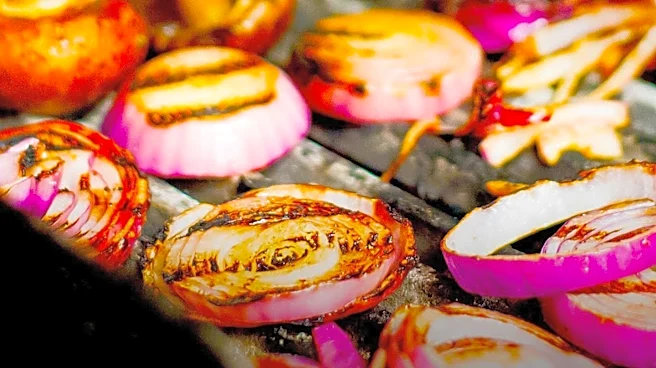
Beyond the main cuts, an asado often includes embutidos and achuras as appetizers. These can consist of chorizos, morcillas, chinchulines (cow chitterlings), and mollejas (sweetbreads), sometimes served with provoleta, a grilled cheese. Chorizos are frequently served with bread, creating choripán. To complement the rich flavors of the meat, various sauces and side dishes are offered. Chimichurri, a vibrant sauce made from chopped parsley, dried oregano, garlic, salt, black pepper, onion, and paprika with olive oil, is a common accompaniment. Salsa criolla, a sauce of tomato and onion in vinegar, is another popular choice. These sauces are traditionally used with offal rather than the steaks. Side dishes often include a simple mixed salad of lettuce, tomato, and onions, or verdurajo, a mix of grilled vegetables like potatoes, corn, onion, and eggplant seasoned with olive oil and salt. In Paraguay, chipa guasu, sopa paraguaya, and boiled manioc are served, while in Chile, pebre, a fresh dip-style salad, is a staple. These diverse accompaniments enhance the culinary experience, making each asado a unique and flavorful event.