







Sewing, the craft of fastening pieces of textiles together using a needle and thread, boasts a history stretching back thousands of years. Originating in the Paleolithic era, it stands as one of the oldest textile arts. Early humans in Europe and Asia crafted garments from fur and leather, utilizing sewing needles made from bone, antler, or ivory, with "thread" derived from animal parts like sinew, catgut, and veins. While garment creation has existed
for centuries, the term "sewing" itself first appeared in the 14th century. This ancient practice, once solely a handcraft, underwent a profound transformation with the advent of mechanization, leading to significant societal and economic shifts.
Early Origins and Handcraft Traditions
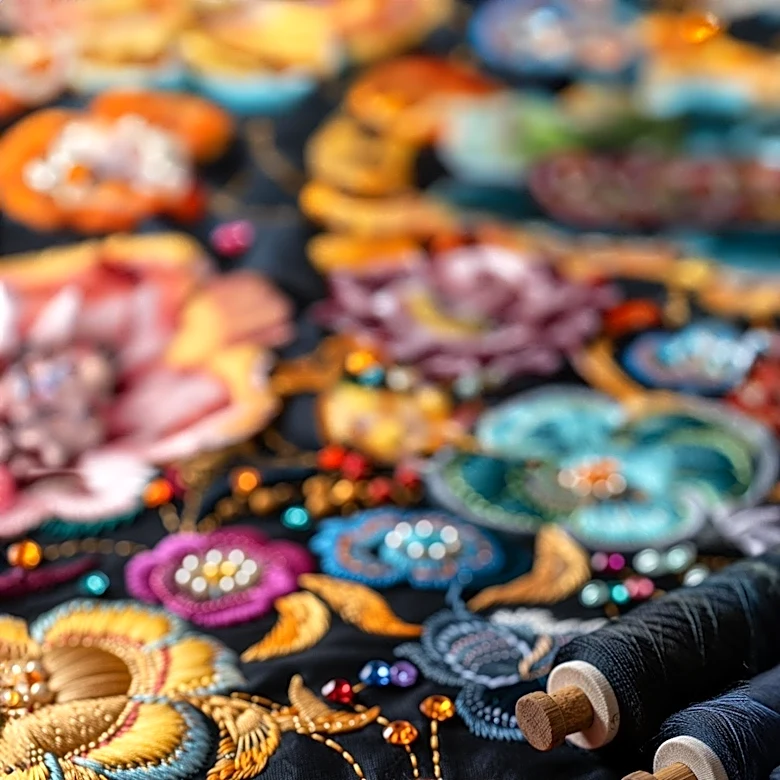
For millennia, sewing was exclusively a manual skill. Archaeological evidence points to its deep roots in human history, highlighting its fundamental role in survival and early human culture. The materials used by early sewers—bone needles and animal-derived threads—demonstrate ingenuity and adaptation to available resources. This foundational period established sewing as a vital craft for creating clothing and other necessities, a practice that would continue largely unchanged for thousands of years.Even with the rise of industrialization, hand sewing maintained its importance in specific, high-quality applications. Today, it remains a hallmark of high-quality tailoring, haute couture fashion, and custom dressmaking. Beyond its practical uses, hand sewing is also embraced by textile artists and hobbyists as a significant means of creative expression, connecting contemporary practitioners to an ancient lineage of craftspeople.
The Dawn of Mechanization: The Industrial Revolution
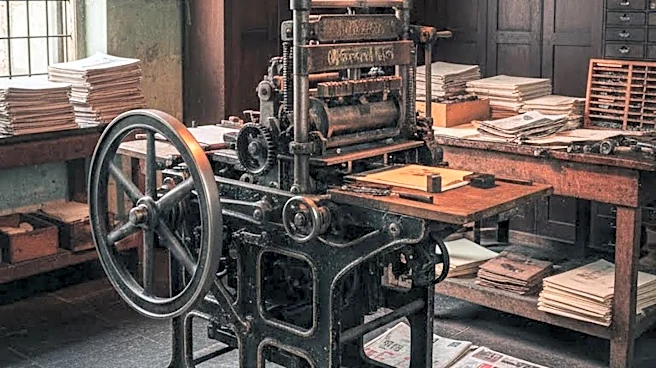
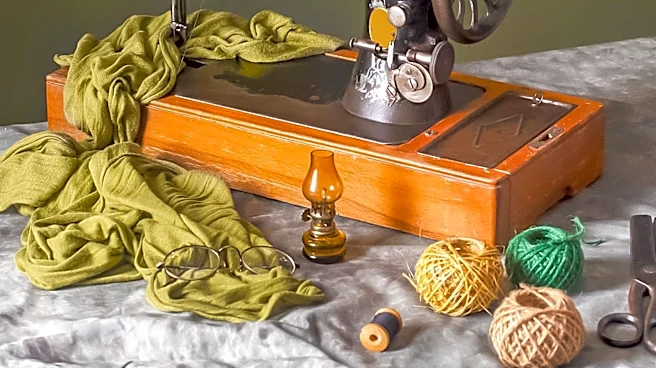
The 19th century marked a pivotal moment in sewing history with the invention of the sewing machine. This innovation enabled mechanized stitching, fundamentally altering the production of textiles. The Industrial Revolution had already begun shifting textile production from individual households to large mills, initially focusing on producing whole cloth. The first sewing machine patent was granted to Thomas Saint in 1790, setting the stage for future developments.By the early 1840s, more sewing machines began to emerge. Barthélemy Thimonnier introduced a simple sewing machine in 1841, intended for producing military uniforms for the French army. However, this advancement met with resistance; a mob of tailors, fearing job displacement, destroyed Thimonnier's machines. Despite such initial opposition, the technology continued to evolve, leading to widespread adoption and further mechanization of garment production.
Isaac Singer and the Rise of Mass Production
The 1850s saw Isaac Singer develop sewing machines that were not only fast and accurate but also capable of surpassing the productivity of hand sewers. This breakthrough accelerated the shift towards ready-made clothing, particularly for the middle classes. While many garments were still made at home, sewing machines facilitated the growth of textile sweatshops in major cities like London and New York City. These establishments employed poorly paid operators, often women, who worked long hours.Piecework, often performed by women in slums for very little money, further supported the burgeoning industry. Needlework, though one of the few occupations considered acceptable for women, rarely provided a living wage. Women working from home sometimes endured 14-hour days to support themselves, often renting sewing machines they could not afford to buy. This era solidified the sewing machine's role in mass production, transforming the textile industry and the nature of labor within it, while also highlighting the economic struggles faced by many female workers.