







Exfoliation is a fundamental practice in cosmetology, involving the removal of surface skin cells and accumulated dirt to promote skin regeneration and deep cleansing. Derived from the Latin word "exfoliare," meaning 'to strip off leaves,' this process is widely advertised for its ability to enhance beauty and foster a youthful, healthy appearance. Whether performed as part of a facial or a daily routine, exfoliation can be achieved through various
mechanical, chemical, or technological means, each with its own approach and considerations.
Diverse Methods of Exfoliation
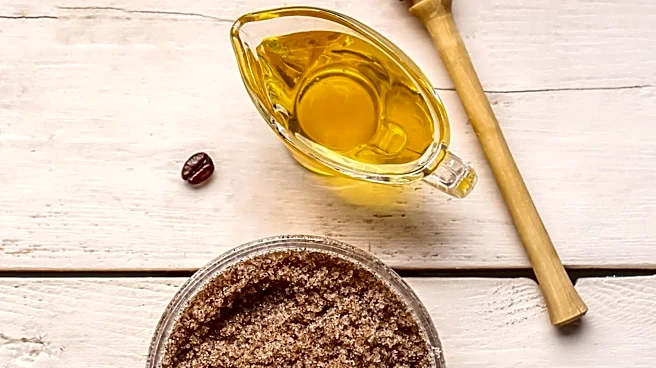
Exfoliation encompasses a range of techniques. Mechanical exfoliation involves physically scrubbing the skin with abrasive materials. Examples include microfiber cloths, adhesive exfoliation sheets, and scrubs containing ingredients like microbeads, sea salt, sugar, ground nut shells, rice bran, or ground apricot kernels. The harshness of these scrubs can vary, with salt and sugar scrubs generally being the most abrasive, while those with beads or rice bran are typically gentler. Tools such as loofahs, brushes, and pumice stones also fall under mechanical exfoliation.
Chemical exfoliation, on the other hand, uses acids or exfoliating agents to loosen dead skin cells. Ingredients like glycolic acid and salicylic acid are common in chemical exfoliants, which work by causing a controlled destruction of the epidermis to rejuvenate the skin. Chemical peels are a form of targeted chemical exfoliation, with different depths of peels removing varying degrees of the outer skin layer. For instance, superficial peels can reduce epidermal melanin and are used to treat post-inflammatory hyperpigmentation.
Technological Advancements and Professional Procedures
Beyond at-home methods, technological advancements have introduced more intensive exfoliation procedures. Microdermabrasion, for example, is a light cosmetic procedure that uses a mechanical medium, such as crystals or diamond flakes, combined with machine-based suction to remove the outermost layer of dead skin cells. This non-invasive procedure can be performed in-office by a trained skincare professional or at home with specialized devices. It is considered relatively simple, easy, and painless, requiring minimal to no recovery time.
Dermaplaning is another professional exfoliating process that uses a single-blade razor, similar to a scalpel, to gently remove the top layer of dead skin cells and "peach fuzz" from the face. This process helps the skin absorb products more effectively and improves skin texture. While dermaplaning does not stimulate collagen production, it is often performed by an aesthetician on clean, dry skin, though it can also be done on oiled skin.
Important Considerations and Potential Disadvantages
While exfoliation offers numerous benefits, overuse or improper technique can lead to irritation and barrier damage. Over-exfoliation can be avoided through careful routine design and product selection, such as using micro-dosed acid formulations. For individuals with dry skin, it's advisable to avoid exfoliants with a significant portion of pumice, as it is known to be quite abrasive, particularly for the feet.
Some exfoliating agents also pose environmental concerns. Microbead scrubs, which contain small plastic spheres, have been identified as having a detrimental environmental impact, especially on marine ecosystems, due to their non-biodegradable nature. Consequently, many countries have banned their use. It is crucial for consumers to be aware of these factors when choosing exfoliation products and methods to ensure both personal skin health and environmental responsibility.