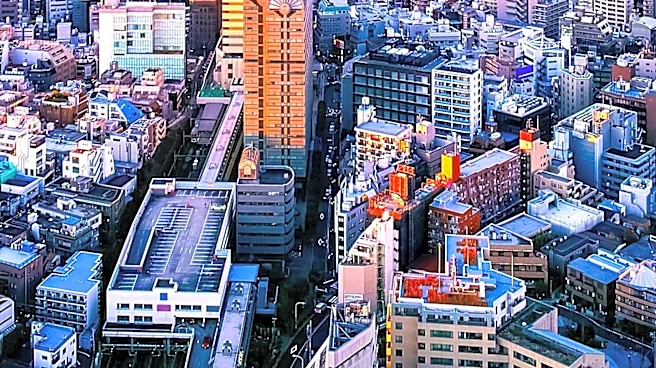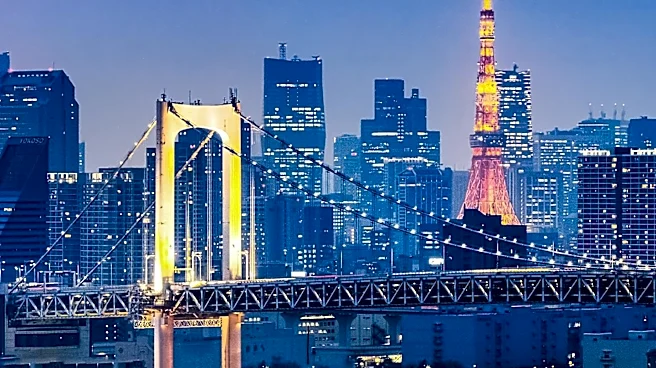

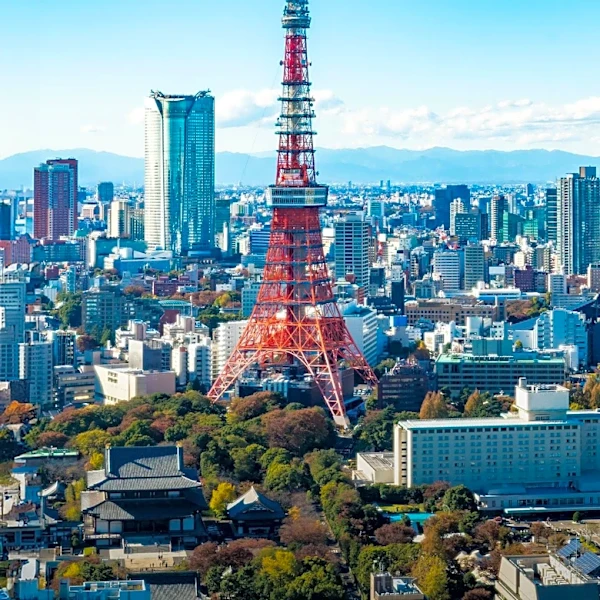





Tokyo, the vibrant capital of Japan, has a rich history that traces back to its origins as the city of Edo. Over the centuries, Tokyo has transformed from a feudal city into a bustling global metropolis. This article provides a historical overview of Tokyo's remarkable journey from Edo to its current status as one of the world's most influential cities.
The Edo Period and the Birth of Tokyo
The story of Tokyo begins with Edo, the seat of the Tokugawa shogunate. In 1868, Edo was renamed
Tokyo, marking the start of its transformation into Japan's capital. The Meiji Restoration brought significant changes to the city, as the new government sought to modernize and centralize Japan's administration.
During this period, Tokyo Prefecture was established, initially limited to the former Edo city. However, it quickly expanded to encompass a larger area, setting the stage for Tokyo's future growth. The Meiji government's reorganization of local governments introduced a system of cities, granting some local autonomy and laying the groundwork for Tokyo's administrative structure.
Expansion and Modernization
Tokyo's transformation continued in the early 20th century as the city expanded and modernized. In 1932, Tokyo absorbed several outlying districts, increasing its population to 4.9 million and becoming the second-largest city in the world. This expansion reflected Tokyo's growing importance as a center of culture, business, and politics.
The city's administrative structure also evolved during this time. In 1943, Tokyo City and Tokyo Prefecture were merged to form the Tokyo Metropolis, creating a more centralized and efficient governance system. This change integrated city and prefectural functions under the Tokyo Metropolitan Government, further solidifying Tokyo's status as a leading global city.
Tokyo as a Global Metropolis
The post-war period saw Tokyo emerge as a global metropolis, with its administrative structure adapting to meet the needs of its growing population. In 1947, the current system of the Tokyo Metropolitan Government was established, overseeing the special wards, cities, towns, and villages within the metropolis.
Today, Tokyo is a thriving global city, known for its cultural, business, and political influence. Its transformation from Edo to a modern metropolis is a testament to its resilience and ability to adapt to changing circumstances. As Tokyo continues to evolve, it remains a symbol of Japan's rich history and dynamic future, attracting people from around the world to experience its unique blend of tradition and modernity.