








Australia is renowned for its rich biodiversity, a testament to its status as one of the world's 17 megadiverse countries. The continent's long geographic isolation has resulted in a unique array of flora and fauna, much of which is found nowhere else on Earth. This biodiversity is supported by a wide range of ecosystems, from arid deserts to lush rainforests.
Unique Flora and Fauna
Australia's biodiversity is characterized by a high level of endemism, with a significant
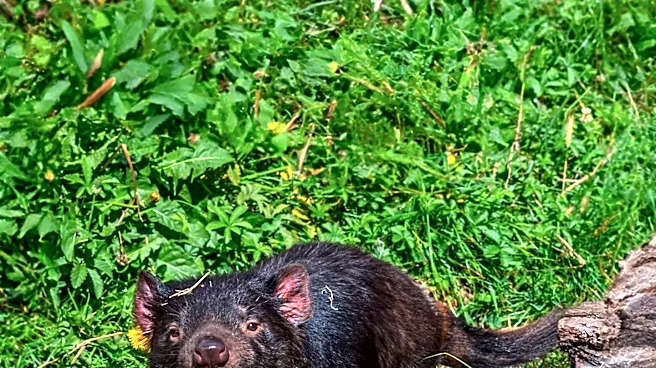
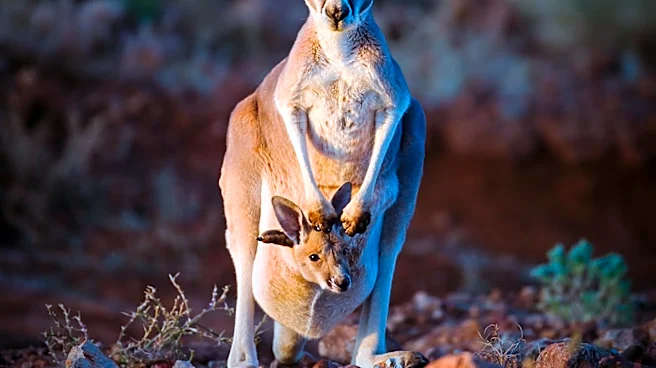
percentage of its species being unique to the continent. About 94% of its amphibians, 93% of its reptiles, and 69% of its mammals are endemic. This includes iconic species such as the kangaroo, koala, and platypus, which have become symbols of Australia's natural heritage.
The continent is also home to a diverse range of plant species, many of which have adapted to the arid climate and nutrient-poor soils. Eucalypts, acacias, and banksias are among the most common plant groups, with adaptations that allow them to thrive in Australia's challenging environments. These plants play a crucial role in supporting the continent's unique ecosystems.
Diverse Ecosystems
Australia's ecosystems are as varied as its species. The continent is divided into 89 recognized regions and 419 subregions, each with its own distinct ecological characteristics. Deserts and xeric shrublands cover about 70% of the mainland, providing habitats for species adapted to dry conditions.
In contrast, the tropical rainforests in the north and east support a rich diversity of life, with complex ecosystems that are home to a wide range of species. These rainforests are vital for maintaining biodiversity, offering habitats for many endemic species and playing a key role in global ecological processes.
Conservation Challenges
Despite its rich biodiversity, Australia faces significant conservation challenges. Over the past two centuries, the continent has lost more mammal species than any other, with over 1,000 animal and plant species currently listed as endangered or critically endangered. The major threats to biodiversity include habitat loss, introduced species, and climate change.
Efforts to protect Australia's biodiversity are ongoing, with legal frameworks such as the Environment Protection and Biodiversity Conservation Act 1999 in place to safeguard threatened species. The National Reserve System, covering over 22% of Australia's land mass, is a key component of these conservation efforts, aiming to preserve the continent's unique natural heritage for future generations.