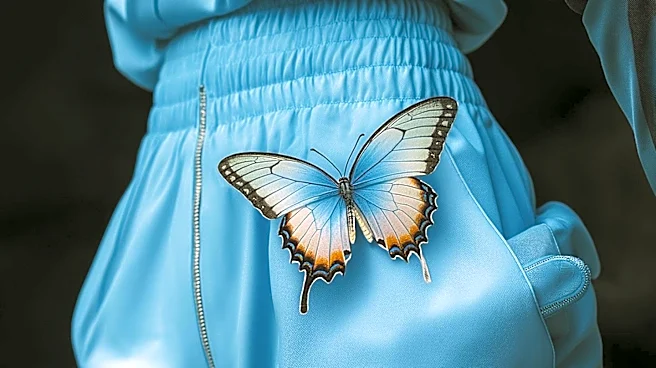

The boilersuit, often recognized as a one-piece protective garment, holds a significant place in various professional and cultural contexts. Known by different names depending on the region, this loose-fitting
attire covers the entire body, typically excluding the head, hands, and feet, and serves a multitude of purposes from heavy-duty industrial protection to symbolic representation in popular culture. Its design prioritizes practicality and durability, making it a staple in environments where cleanliness, safety, or a distinct uniform is required.
Terminology and Distinctions
The terminology surrounding this garment can vary geographically. In the United Kingdom, the term "boilersuit" is most common, with its earliest recorded use dating back to July 31, 1883, in the Liverpool Mercury newspaper. Across North America, these garments are typically referred to as "coveralls." Elsewhere, the term "overall(s)" is often used, though in North America, "overall" more commonly denotes a bib-and-brace overall, which is a type of trousers featuring a bib and attached suspenders. It is important to distinguish the boilersuit from a "jumpsuit," which is a more tight-fitting garment. While both are one-piece outfits, the boilersuit's characteristic loose fit sets it apart, emphasizing its functional and protective nature over a more form-fitting aesthetic.
Historically, the "siren suit," popularized by Winston Churchill during the Second World War, shared similarities with the boilersuit. This loose, one-piece garment was designed for quick and easy donning over nightwear, providing warmth and modesty for individuals seeking shelter during nighttime air raids. This historical example underscores the boilersuit's utility as a practical, easily accessible protective layer during times of need. The evolution of such garments highlights a consistent demand for clothing that offers comprehensive coverage and ease of wear in challenging circumstances.
Functional Design and Protective Properties
Boilersuits are engineered with functionality at their core, offering a range of protective properties tailored to specific environments. These garments are broadly categorized into cloth and disposable types, each designed with unique features. For instance, some boilersuits are made with high-visibility materials, crucial for safety in low-light or high-traffic industrial settings. Others incorporate insulation to protect wearers against cold weather conditions. Waterproof variants are available for wet environments, while flame-resistant materials offer crucial protection against fire hazards. Specialized boilersuits also exist with arc-resistant properties, safeguarding against flash fires, and those made from microporous fabrics, designed for use when exposed to hazardous chemicals.
Beyond general industrial use, more specialized forms of coveralls have evolved. Flight suits, for example, are a type of more form-fitting coverall characterized by numerous zippered pockets. Originally crafted from cotton treated for flame resistance, these suits transitioned to Nomex material in the late 1960s and have been utilized as flight suits since the beginning of World War II. This adaptation demonstrates the garment's versatility and its capacity to be refined for highly specific, demanding applications where both protection and functionality are paramount. The continuous development of materials and design ensures that boilersuits remain at the forefront of protective workwear, adapting to new challenges and hazards across various industries.
Cultural Impact and Symbolic Usage
The boilersuit's utility extends beyond industrial and protective applications, permeating popular culture and even political symbolism. In the realm of cinema, the boilersuit has become an iconic element, notably worn by the character Michael Myers in the *Halloween* films, contributing to its association with the slasher subgenre. In music, Pete Townshend of The Who frequently sported a white boilersuit during his performances and in publicity photographs between 1969 and 1971, cementing its place in rock and roll imagery.
Beyond entertainment, the garment has been used to convey specific messages or enforce discipline. The Church of Scientology, for instance, has reportedly used black boilersuits as a form of punishment for Sea Org members assigned to the Rehabilitation Project Force. In a different vein, Japanese politicians have been known to wear boilersuits to project an image of preparedness, suggesting readiness for action or crisis management. This diverse range of appearances underscores the boilersuit's adaptability not just as a functional item, but also as a powerful visual symbol capable of evoking fear, rebellion, discipline, or competence, depending on its context and wearer. The garment's simple, utilitarian form allows it to be imbued with significant meaning, making it a compelling subject across various facets of society.