






The soufflé, a celebrated baked egg dish from France, is a testament to culinary artistry, balancing delicate flavors with an impressive, airy structure. Its name, derived from the French verb "souffler"—meaning to blow, breathe, inflate, or puff—aptly describes the dish's signature characteristic. Achieving the perfect soufflé requires an understanding of its core components and precise preparation techniques, making it a rewarding challenge for
home cooks and professional chefs alike. This article delves into the essential elements that contribute to a successful soufflé, from its foundational ingredients to its elegant presentation.
The Dual Components: Base and Egg Whites
At the heart of every soufflé are two critical components: the base and the egg whites. The base is the flavor carrier, providing the distinct taste that defines whether the soufflé will be savory or sweet. For savory variations, common ingredients used to flavor the base include aromatic herbs, rich cheeses, and various vegetables. These can range from spinach and mushroom to more complex combinations. On the dessert side, the possibilities are equally diverse, with popular choices including fruit jams, fresh fruits, berries, decadent chocolate, sweet banana, and zesty lemon. The quality and intensity of the base flavor are paramount, as they must stand up to the lightness of the egg whites.
The egg whites, whipped to stiff peaks, are the architectural marvel of the soufflé. They are responsible for the dish's characteristic "lift" or puffiness. When incorporated into the base and baked, the air trapped within the egg whites expands, causing the soufflé to rise dramatically. This process requires careful handling to maintain the volume and stability of the egg whites, as any compromise can lead to a deflated soufflé.
Essential Baking Vessels and Preparation Steps
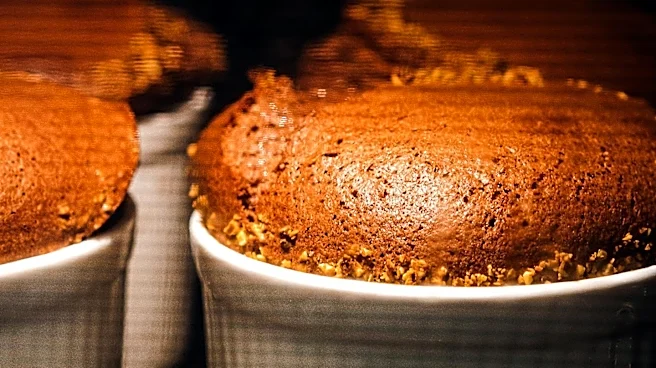
Soufflés are typically baked in specific types of dishes designed to facilitate their rise and presentation. These are commonly known as ramekins or soufflé dishes. These vessels are generally round porcelain containers, featuring a glazed interior, unglazed bottoms, and sides that are either vertical or nearly vertical, often with decorative fluted exterior borders. The design of these dishes helps the soufflé climb evenly during baking.
Before the soufflé mixture is added, the ramekin or other baking vessel is usually prepared with a thin film of butter. This butter coating serves a crucial purpose: it prevents the soufflé from sticking to the sides of the dish, allowing it to rise smoothly. Some culinary traditions also suggest adding an additional coating inside the ramekin, beyond just the butter. This might involve dusting with sugar for sweet soufflés or grated hard cheese, such as Parmesan, for savory ones. Many cooks believe that this extra coating provides a textured surface that the soufflé can grip onto, further aiding its ascent and contributing to a more impressive rise.
The Moment of Truth: Baking and Serving
After being carefully prepared and placed in the oven, a soufflé undergoes a magical transformation, emerging puffed up and wonderfully fluffy. This impressive rise is a hallmark of a well-made soufflé. However, the ephemeral nature of this dish is also part of its charm; much like freshly risen dough, a soufflé will typically begin to fall within 5 to 10 minutes after being removed from the heat. This characteristic means that soufflés are best served immediately to appreciate their full volume and delicate texture.
Serving a soufflé can be an elegant affair. For dessert soufflés, a sweet sauce might be gently poured over the top, or a scoop of sorbet or ice cream can be served alongside, offering a delightful contrast in temperature and texture. When portioning, the top of the soufflé may be carefully punctured with serving utensils to separate it into individual servings. This action also serves a practical purpose, allowing any accompanying sauce to integrate more deeply into the dish, enhancing the overall flavor experience.