






John Nixon is a name that might not be as widely recognized as other figures from the American Revolutionary War, but his contributions were significant. Born in 1733 in Philadelphia, Nixon was a financier and militia officer who played a pivotal role during the war. He is best known for making the first public proclamation of the Declaration of Independence on July 8, 1776, from the steps of the Pennsylvania State House, now known as Independence Hall.
This article delves into Nixon's life and his contributions to the American cause.
Early Life and Career
John Nixon was born into a family with a strong business background. His father was a wealthy shipping merchant, which provided Nixon with a solid foundation in commerce and finance. This background would later serve him well in his career as a banker and financier. After his father's death in 1756, Nixon took over the family business, which marked the beginning of his active involvement in the economic and political life of Philadelphia.
Nixon's political engagement began to take shape following the passage of the Stamp Act in 1765. He was among those who signed the non-importation agreement against the Act, a move that demonstrated his opposition to the encroachments of the English government on American liberties. His involvement in the first committee of correspondence in Pennsylvania further solidified his position as a leader in the patriot cause.
Military Involvement and Proclamation of Independence
Nixon's military career began in earnest in April 1775 when he was appointed lieutenant-colonel of the third battalion of the Philadelphia Associators, a Patriot militia unit. His leadership skills were soon recognized, and he was tasked with commanding the Continental Army's defenses of the Delaware River at Fort Island from May to July 1776. This position was crucial as it protected the colonial capital and the meeting place of the revolutionary Second Continental Congress.
The highlight of Nixon's military career came on July 8, 1776, when he made the first public proclamation of the Declaration of Independence. This act was not just a ceremonial duty; it was a bold statement of defiance against British rule and a rallying cry for the American cause. Nixon's proclamation was a significant moment in American history, symbolizing the colonies' commitment to independence.
Later Life and Legacy
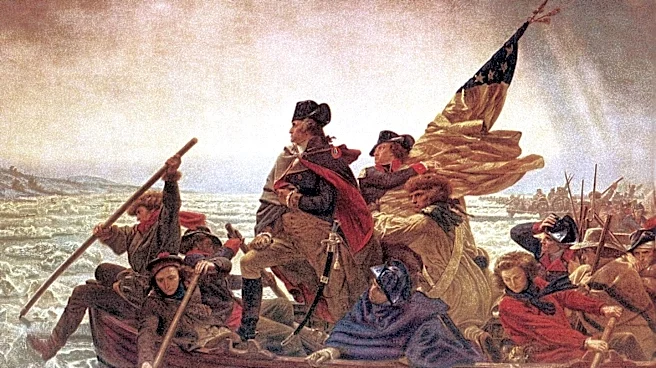
After his notable proclamation, Nixon continued to serve in various capacities during the Revolutionary War. He was promoted to colonel and served under George Washington at the Battle of Princeton. His involvement with the Navy Board and his presence at Valley Forge during the harsh winter of 1777-1778 further demonstrated his dedication to the American cause.
In the post-war years, Nixon's financial acumen came to the forefront. In 1780, he became a director of the Bank of Pennsylvania and later played a key role in organizing the Bank of North America, where he served as president from 1792 until his death in 1808. Nixon's contributions to both the military and financial sectors were instrumental in shaping the early United States.
John Nixon's life is a testament to the impact that dedicated individuals can have on the course of history. His proclamation of the Declaration of Independence remains a defining moment in American history, symbolizing the courage and determination of the fledgling nation.