







In the fast-paced world of motorsports, the pit crew is a highly specialized team whose efficiency can make or break a race. Far from being general mechanics, these individuals are trained athletes, each with a specific role designed to execute complex tasks in mere seconds. The evolution of pit crew roles reflects the increasing demands of racing, from the need for lightning-fast tire changes to precise mechanical adjustments. This intricate dance
of teamwork and precision is a testament to the dedication and specialized skills required to support a race car and its driver, transforming a brief stop into a critical competitive advantage.
Formula One: Precision and Speed Under Pressure
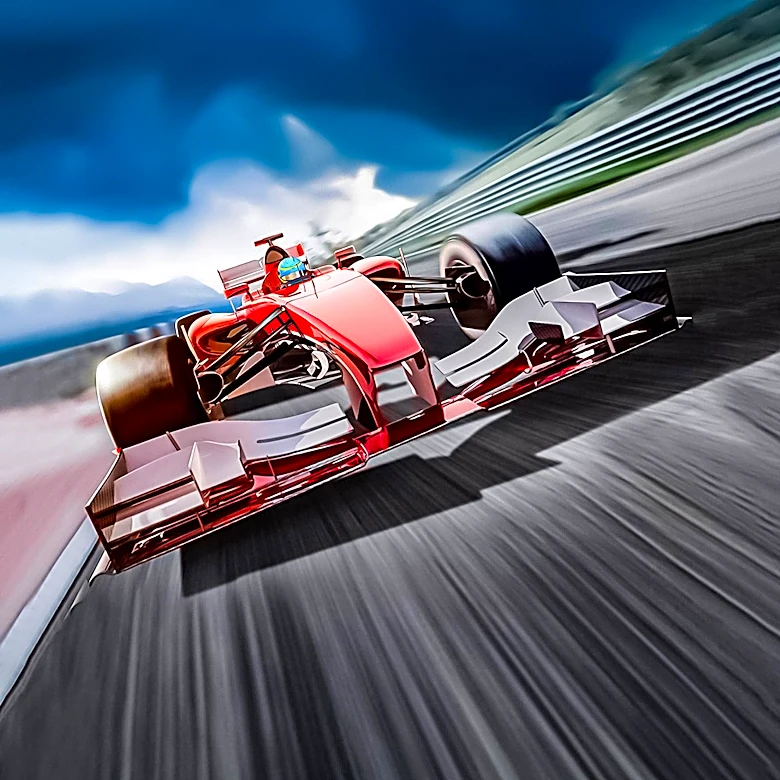
Formula One pit crews are renowned for their incredible speed and precision, often completing tire changes in under three seconds. The crew consists of numerous specialists, each with a defined task. Four wheel-gunners, or tire changers, one for each wheel, use pneumatic wrenches to remove and reinstall the single locking lug nut. Eight tire carriers, two per wheel, are responsible for swiftly removing old tires and positioning new ones. Two stabilizers steady the car from the sides.
Front wing men are on hand to adjust the front wing angle for downforce or to replace the entire assembly if damaged. The front and rear jack men use lever-type jacks to lift the car. The front jack man's role is considered particularly hazardous, as it requires standing directly in front of the car as it enters the pit box. A fire extinguisher man stands ready, a role that became standard after Jos Verstappen's 1994 pit fire. Historically, roles like the