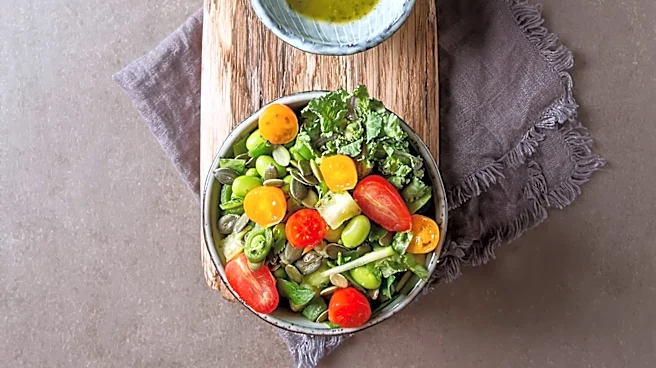









Vinaigrette, a fundamental component in kitchens worldwide, is a versatile dressing crafted from a simple yet effective combination of edible oil and a mild acid. Typically, this acid comes in the form of vinegar or lemon juice, providing a tangy counterpoint to the richness of the oil. Beyond these core ingredients, vinaigrette often incorporates salt, various herbs, and spices to enhance its flavor profile. While most commonly recognized as a salad
dressing, its utility extends to serving as an effective marinade, showcasing its adaptability in culinary applications. Its name itself, a diminutive of the French word for vinegar, hints at its European origins and historical significance.
The Essence of Vinaigrette: Ingredients and Proportions
At its heart, vinaigrette is defined by its primary components: oil and acid. A wide array of edible oils can be used, offering different flavor nuances and textures. Common choices include soybean oil, canola oil, olive oil, corn oil, sunflower oil, safflower oil, peanut oil, pumpkin seed oil, avocado oil, and grape seed oil. Each oil contributes its own character to the final dressing. The acidic component is typically vinegar, which provides the characteristic tang, or lemon juice, offering a brighter, citrusy note.Traditionally, the ratio for a classic vinaigrette is three parts oil to one part vinegar. This proportion is often whisked together to form a stable emulsion, where the oil and vinegar are evenly dispersed. However, the term "vinaigrette" is also applied to mixtures that deviate from this traditional ratio, as well as to unstable emulsions that quickly separate into distinct oil and vinegar layers. The flexibility in proportions allows for a wide range of flavor and texture variations, catering to different culinary needs and personal preferences.
From French Dressing to Global Recognition
The term "vinaigrette" itself is a direct nod to its French heritage, being the diminutive form of "vinaigre," the French word for vinegar. This etymological link underscores its origins in French cuisine. In the 19th century United States, this dressing was widely known as "French dressing," a testament to its perceived origin and style. This nomenclature persists in various parts of the world today, including Europe, Australia, New Zealand, and South America, where it is still commonly referred to as French dressing.This historical naming highlights the widespread adoption and influence of French culinary traditions. The simplicity and elegance of vinaigrette made it a staple that transcended geographical boundaries, becoming a foundational dressing in many cultures. Its enduring popularity speaks to its effectiveness in enhancing the flavors of various dishes, from simple green salads to more complex preparations.
Preparation and Culinary Applications
The preparation of vinaigrette typically involves whisking the oil and vinegar together until they form an emulsion. Beyond the basic oil and acid, salt and pepper are almost always added to season the mixture. For additional depth and complexity, herbs and shallots are frequently incorporated, particularly when the vinaigrette is intended to accompany cooked vegetables or grains. Mustard is sometimes included in the preparation, serving a dual purpose: it acts as an emulsifier, helping to stabilize the mixture and prevent separation, and it also contributes its own distinct flavor.In classical French cuisine, vinaigrette holds a significant place beyond just salad dressing. It is also utilized as a cold sauce, designed to complement and enhance the flavors of cold dishes such as artichokes, asparagus, and leeks. This demonstrates its versatility not only as a dressing but also as a finishing sauce that can elevate the taste of various ingredients. Its ability to brighten and balance flavors makes it an indispensable tool for chefs and home cooks alike.