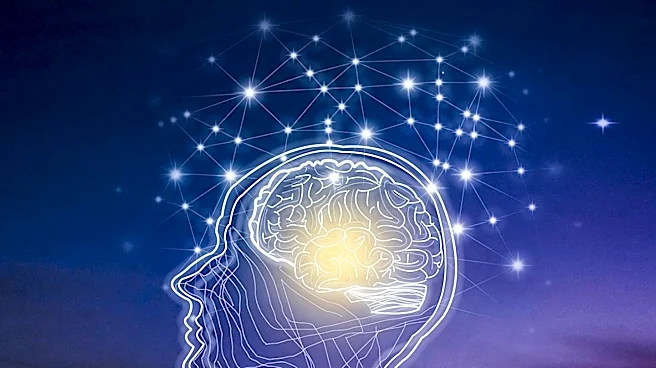






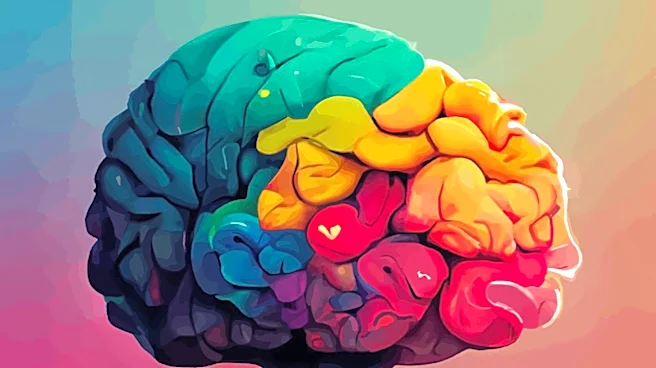



The brain's intricate network of neurons and synapses forms the foundation of its ability to process information and control bodily functions. Neurons, the primary cells of the brain, are connected by synapses, enabling communication across vast networks. This article explores the cellular structure of the brain, highlighting the roles of neurons and synapses in its operation.
Neurons: The Communicators
Neurons are specialized cells that transmit signals throughout the brain
and body. Each neuron consists of a cell body, dendrites, and an axon. The axon, a thin protoplasmic fiber, extends from the cell body and projects to other areas, sometimes over long distances. This allows neurons to send signals to specific target cells, facilitating communication across the brain.
The human brain contains approximately 86 billion neurons, with the cerebral cortex housing 14-16 billion and the cerebellum 55-70 billion. Neurons communicate via action potentials, rapid electrochemical pulses that travel along axons. These signals enable the brain to respond to stimuli and coordinate complex behaviors.
Synapses: The Connection Points
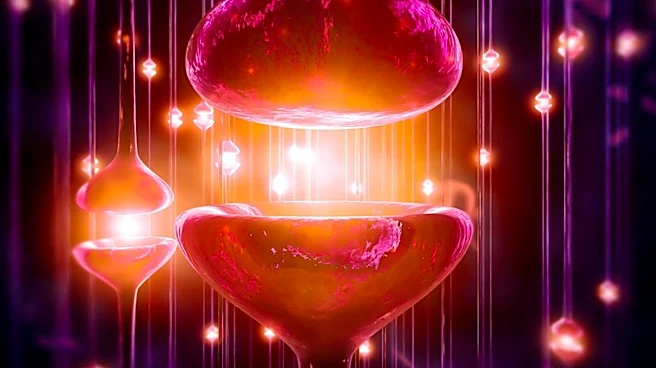
Synapses are the functional elements of the brain, serving as the junctions where neurons communicate. The human brain is estimated to contain around 100 trillion synapses, each capable of modifying its strength based on activity patterns. This dynamic nature of synapses is crucial for learning and memory.
When an action potential reaches a synapse, it triggers the release of neurotransmitters. These chemicals bind to receptor molecules on the target cell, altering its electrical or chemical properties. Synapses can be excitatory, inhibitory, or activate second messenger systems, allowing diverse communication across the brain.
The Role of Glial Cells
In addition to neurons, the brain contains glial cells, which perform critical functions such as structural support, metabolic support, and insulation. Glial cells, also known as neuroglia, come in several types and contribute to the brain's overall operation.
While neurons are often considered the most important cells in the brain, glial cells play a vital role in maintaining the environment necessary for neuronal function. They regulate the chemical composition of the fluid surrounding neurons, ensuring optimal conditions for signal transmission.
The interplay between neurons, synapses, and glial cells is essential for the brain's ability to process information and control bodily functions. This complex network forms the basis of the brain's operation, enabling it to respond to environmental changes and maintain homeostasis.