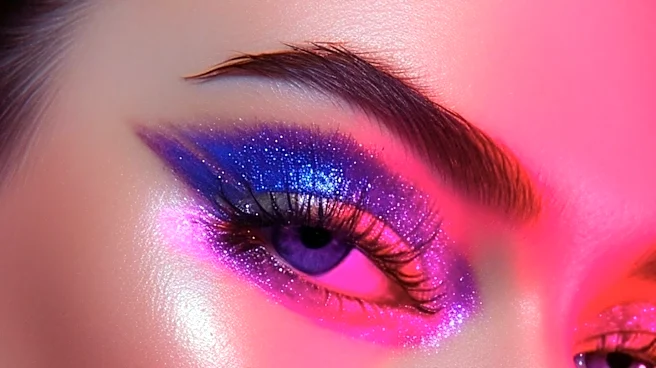








Eye shadow is more than just a cosmetic product; it holds deep cultural and symbolic meanings across various societies. From ancient rituals to modern fashion statements, eye shadow has been used to convey identity, status, and beliefs. This article delves into the cultural significance of eye shadow, highlighting its role in different traditions and practices.
Eye Shadow in Ancient Cultures
In ancient Egypt, eye shadow was an integral part of daily life, used by both men and women.
The application of kohl, a type of eye cosmetic, was not only for aesthetic purposes but also served as a protective measure against the sun's glare and as a spiritual safeguard. The dark, dramatic lines created by kohl were believed to ward off evil spirits and enhance one's spiritual presence.
The use of eye shadow in ancient Egypt was also a symbol of status and wealth. The elaborate eye makeup worn by the elite signified their social standing and was often accompanied by other luxurious adornments. This cultural practice spread to other regions, with each society adapting eye cosmetics to their own beliefs and customs.
Symbolism in the Victorian Era
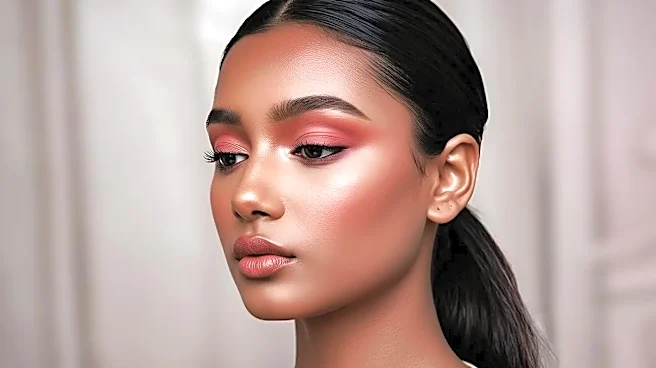
During the Victorian era, the use of eye shadow took on a more subdued and symbolic role. The minimal application of eye cosmetics was associated with modesty and respectability, reflecting the era's conservative values. Women who wore heavy makeup were often viewed as less virtuous, highlighting the cultural shift from the bold expressions of ancient times.
Despite the restrained use of eye shadow, the Victorian era laid the groundwork for the modern beauty industry. The subtle use of eye cosmetics during this time emphasized natural beauty and understated elegance, a trend that continues to influence makeup styles today.
Modern Interpretations and Trends
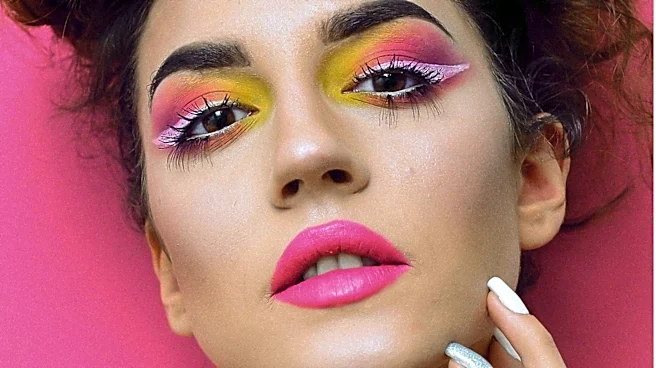
In contemporary society, eye shadow has become a powerful tool for self-expression and creativity. The wide range of colors and finishes available allows individuals to experiment with different looks, from natural and understated to bold and avant-garde. Eye shadow trends often reflect broader cultural movements, with makeup artists drawing inspiration from art, fashion, and popular culture.
The cultural significance of eye shadow continues to evolve, with new trends and techniques emerging regularly. Whether used to make a statement or enhance natural beauty, eye shadow remains a versatile and meaningful component of personal style. Its enduring presence in the world of cosmetics underscores its importance as a cultural and artistic expression.