




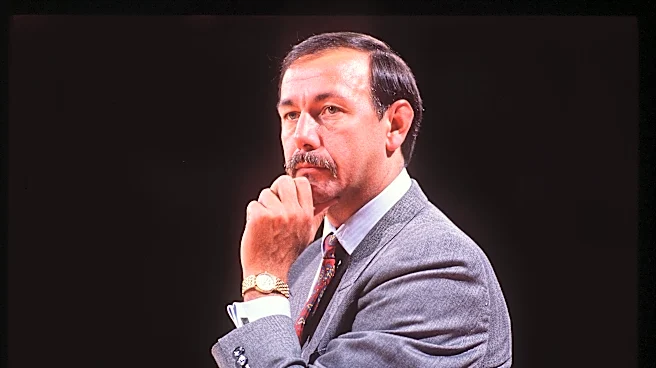
Robert Joseph Cousy, affectionately known as Bob Cousy, carved out a legendary career in the National Basketball Association (NBA), primarily as a point guard for the Boston Celtics from 1950 to 1963. His playing style was a radical departure from the norm of his era, earning him the moniker "Houdini of the Hardwood." Cousy's innovative approach to the game, characterized by dazzling ball-handling and creative passing, not only propelled the Celtics to multiple
championships but also fundamentally changed the role of the point guard and elevated the sport's popularity.
Pioneering Modern Guard Play
Cousy's game was defined by its fast pace, spectacular dribbling, and imaginative passing. In an NBA that was often slower and more static, relying on set shots and less dynamic offensive plays, Cousy's style was remarkably fresh and groundbreaking. He frequently employed behind-the-back dribbles, no-look passes, and half-court fast breaks, techniques that were uncommon at the time. His peers and later analysts recognized him as a pioneer of modern point guard play. Bill Sharman, a teammate, even drew parallels between Cousy and Magic Johnson, noting that both were innovators whose passing and overall impact on the game were ahead of their time.
A Dynasty's Architect: The Boston Celtics Era
As a key player for the Boston Celtics, Cousy was instrumental in the team's dominance during the 1950s and early 1960s. He led the league in assists for an impressive eight consecutive seasons, showcasing his unparalleled playmaking ability. His vision and anticipation on the court were legendary, allowing him to consistently set up teammates for scoring opportunities. Tom Heinsohn, another Celtics teammate, famously stated that what Bill Russell was to defense, Cousy was to offense—a magician. Heinsohn described how once the ball reached Cousy's hands, the rest of the team would simply run, confident that Cousy would find them in a scoring position.
Accolades and Lasting Legacy
Cousy's illustrious career was marked by numerous accolades. He was a central figure in the Celtics' six NBA championships, a testament to his leadership and skill. His impact was recognized by his inclusion in the NBA's 25th, 35th, 50th, and 75th Anniversary Teams, solidifying his place among the greatest players in league history. In 1971, he was inducted into the Naismith Memorial Basketball Hall of Fame. Decades later, in 2019, he received the Presidential Medal of Freedom, a high civilian honor, further acknowledging his contributions beyond the basketball court. His jersey number, 14, was retired by the Celtics, a permanent tribute to his enduring legacy.
Beyond the Court: Coaching and Media
After his playing career, Cousy remained involved in basketball. He briefly returned to play for the Cincinnati Royals in 1969-1970, but his primary post-playing roles included coaching and media work. He served as a television commentator for the Celtics from the 1980s until 2008 and also worked as a marketing consultant for the club. His presence extended to popular culture, with an appearance in the 1994 basketball film *Blue Chips*. Cousy also authored several books, including his early autobiography, *Basketball Is My Life*, published in 1963. These endeavors showcased his continued dedication to the sport and his ability to connect with audiences both on and off the court.