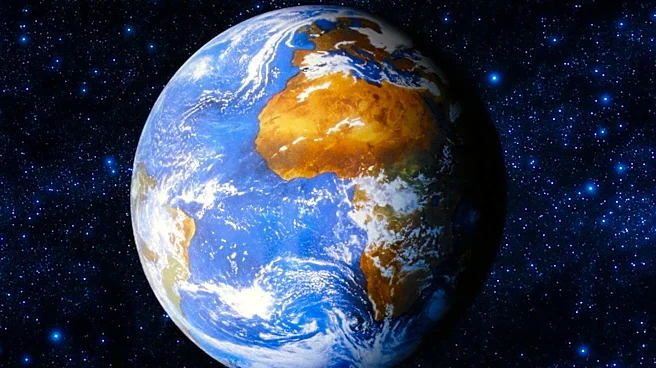




In Earth science, understanding our planet often begins with conceptualizing its surface as a series of distinct yet interconnected layers, commonly referred to as "spheres." This framework provides a powerful tool for grasping Earth's complex systems and their dynamic interactions. These fundamental spheres include the lithosphere, hydrosphere, atmosphere, and biosphere, representing the rocky ground, water, air, and life, respectively. This holistic
perspective is central to Earth science, which aims to study the physical, chemical, and biological linkages that bind these components together.
Defining Earth's Primary Spheres
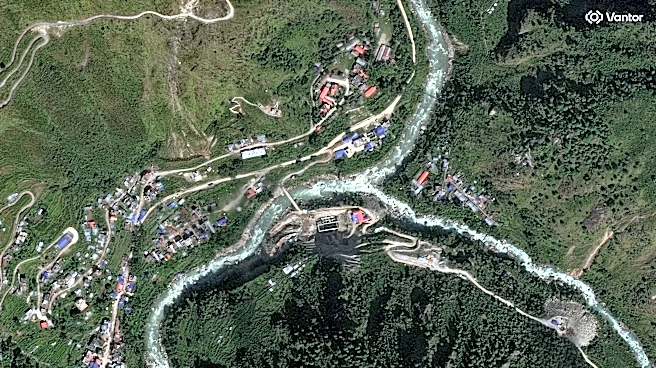
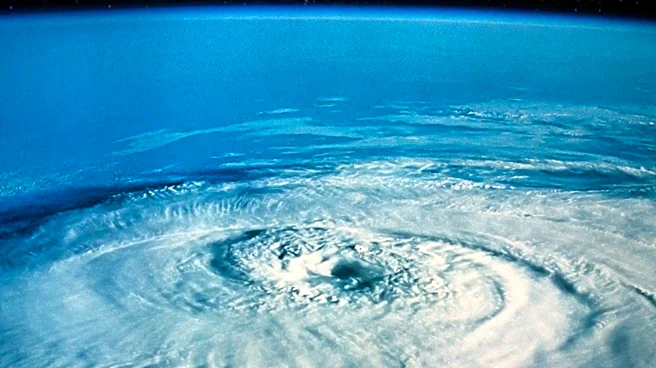
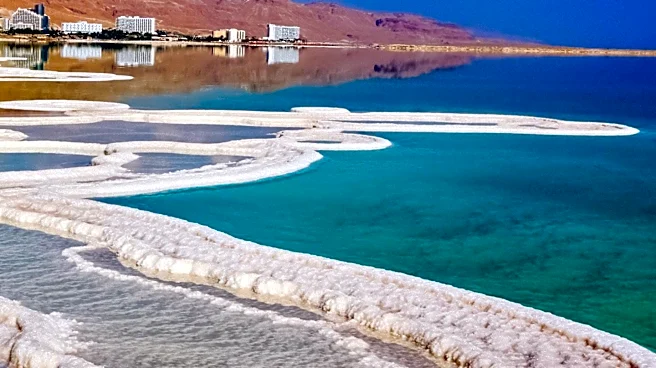
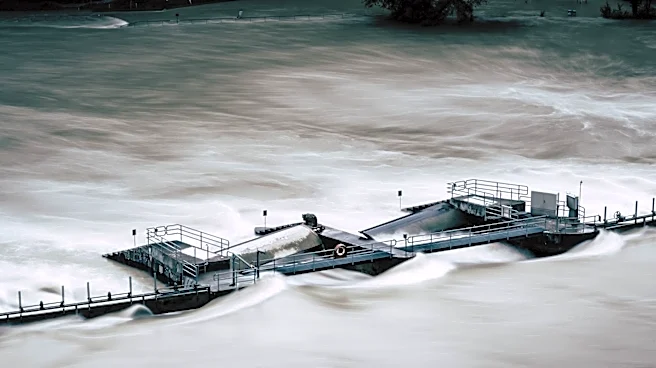
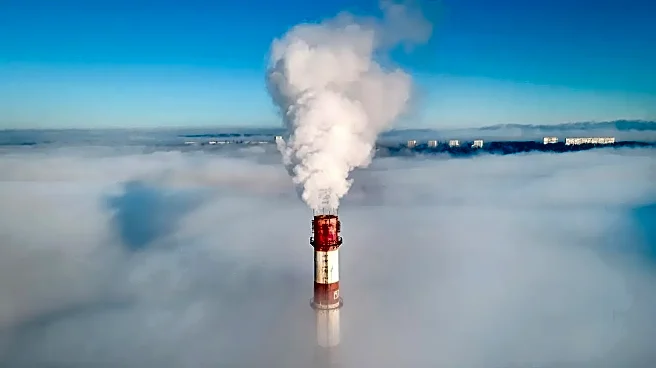
The lithosphere, or geosphere, constitutes the solid, rocky outer part of Earth. This sphere is the domain of geology, which investigates its composition, structure, and the processes that shape it, such as plate tectonics. The hydrosphere encompasses all the water on Earth, including oceans, lakes, rivers, and groundwater. Hydrology is the science dedicated to studying the movement and distribution of this water, emphasizing its critical role in supporting life and human activities. The atmosphere is the gaseous layer surrounding Earth, crucial for weather patterns, climate, and protecting life from harmful solar radiation. Atmospheric science delves into the characteristics and dynamics of this vital envelope.
Finally, the biosphere represents all life on Earth, from the deepest oceans to the highest mountains. Ecology, the study of the biosphere, examines how living organisms interact with each other and with their physical environment, including how they utilize resources and contribute to environmental changes. These four primary spheres are not isolated but constantly interact, influencing each other in myriad ways. For example, volcanic activity (lithosphere) can release gases into the atmosphere, affecting climate, which in turn impacts the biosphere and hydrosphere.
Expanding the Spheres: Cryosphere and Pedosphere
Beyond the four main spheres, some Earth scientists also include the cryosphere and the pedosphere as distinct, active components of Earth's systems. The cryosphere specifically refers to all parts of Earth where water is frozen, including glaciers, ice caps, and permafrost. It is often considered a distinct portion of the hydrosphere due to its unique properties and significant role in global climate regulation and water cycles. Glaciology is the specialized field that studies the cryosphere, addressing concerns such as freshwater access, glacial hazards, and the impacts of climate change on ice and snow cover.
Similarly, the pedosphere is recognized as the outermost layer of Earth's crust that undergoes soil formation processes. Soil science, with its major subdivisions of edaphology and pedology, focuses on this vital layer. The pedosphere is a dynamic interface where the lithosphere, hydrosphere, atmosphere, and biosphere all converge and interact, making it incredibly complex and crucial for supporting terrestrial life. Understanding these expanded concepts of Earth's spheres allows for a more detailed and comprehensive analysis of our planet's intricate workings and the delicate balance that sustains its diverse environments.