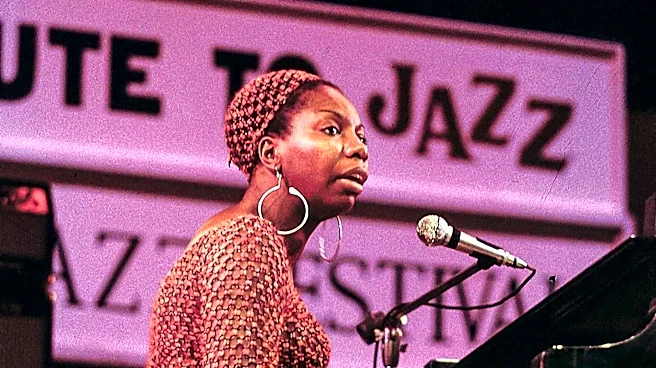


The Cavalcade of Jazz stands out as a significant series of large outdoor jazz festivals that took place annually in Los Angeles, California, from 1945 to 1956. These events were groundbreaking as some of the earliest large-scale, recurring jazz festivals in the United States. Produced by Leon Hefflin Sr., an African American entrepreneur, the Cavalcade of Jazz not only showcased a vast array of musical talent but also aimed to foster positive race
relations within the city. The festivals were primarily held at Wrigley Field, with the final event in 1958 moving indoors to the Shrine Auditorium.
The Vision of Leon Hefflin Sr.
Leon Hefflin Sr. was the driving force behind the Cavalcade of Jazz. An entrepreneur with a history of promoting dances and concerts for Black residents of Los Angeles since the 1930s, Hefflin envisioned these festivals as more than just musical performances. His explicit goal was to "cement" race relations, using the power of music to bring people together. This ambition was recognized by the Los Angeles Sentinel, which reported that the Cavalcade of Jazz was "eagerly looked forward to by countless entertainment goers of all ages, colors and creeds," highlighting its broad appeal and social impact.
Hefflin's entrepreneurial spirit and commitment to the community were evident in the scale and promotion of the events. The festivals were widely advertised across Los Angeles, ensuring a diverse audience. His efforts created a platform that was not only a "tremendous talent showcase" but also a cultural touchstone for the city during a pivotal time.
A Showcase of Legendary Talent
Over its thirteen-year run, the Cavalcade of Jazz featured an impressive roster of more than 125 artists, becoming a crucial stepping stone for many aspiring and established musicians. The very first festival, held on September 23, 1945, set a high standard, starring iconic figures such as Count Basie, the Honeydrippers, Valaida Snow, Joe Turner, the Peters Sisters, and Slim and Bam. This inaugural event alone drew an attendance of approximately 15,000 people, demonstrating the immediate popularity and demand for such large-scale jazz gatherings.
Subsequent festivals continued to attract top-tier talent. Musicians like Lionel Hampton, who performed on multiple occasions, Louis Jordan, and Josephine Baker graced the Cavalcade stages. The festivals also played a vital role in launching the careers of stars such as Toni Harper, Dinah Washington, Roy Milton, and Frankie Laine. The final concert in 1958, held at the Shrine Auditorium, continued this tradition, featuring artists like Sam Cooke, Ray Charles, The Cookies, Ernie Freeman and his Band, Little Willie John, The Clark Kids, and Sammy Davis Jr., solidifying the Cavalcade's legacy as a premier music event.
Beyond Music: Community and Culture
While primarily a jazz festival, the Cavalcade of Jazz also incorporated other elements that contributed to its community appeal. Leon Hefflin Sr. hosted annual beauty contests as part of the events, adding another layer of entertainment and engagement for attendees. These contests, alongside the diverse musical lineup, helped to create a festive and inclusive atmosphere that transcended mere concert-going.
The festivals were deeply embedded in the Central Avenue Jazz Scene, a vibrant cultural hub in Los Angeles. By providing a consistent and prominent platform for jazz and related genres, the Cavalcade of Jazz helped to define and celebrate this important musical movement. Its impact extended beyond entertainment, serving as a significant cultural institution that brought together people from various backgrounds and contributed to the rich tapestry of Los Angeles's post-war cultural landscape.