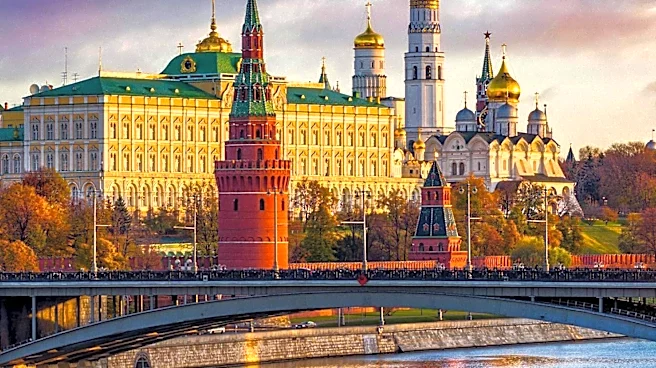







In the summer of 1984, President Ronald Reagan made a joke that would reverberate through political and cultural spheres. During a microphone test before a radio address, he quipped about outlawing Russia and starting bombing in five minutes. This comment, though intended as a private jest, was leaked and became a significant cultural and political moment. The incident offers insight into the era's political climate and the role of humor in public
discourse.
The Political Climate of the 1980s
The 1980s were marked by intense Cold War tensions between the United States and the Soviet Union. Both nations were engaged in a nuclear arms race, and the threat of nuclear war loomed large. In this context, Reagan's joke was particularly provocative. It played into existing fears and anxieties about the possibility of nuclear conflict.
Reagan, who was running for re-election at the time, was known for his strong anti-communist stance. His administration had taken a hard line against the Soviet Union, and his rhetoric often reflected this. The joke, therefore, was not entirely out of character, but it was nonetheless alarming to many who heard it.
Cultural Reactions and Media Coverage
The leak of Reagan's joke sparked a range of reactions. In the United States, some viewed it as a harmless example of Reagan's humor, while others saw it as irresponsible given the geopolitical stakes. The media played a crucial role in amplifying the incident, with coverage that highlighted both the humor and the potential danger of such remarks.
In the Soviet Union, the joke was met with offense and mockery. The Soviets used it as an opportunity to criticize Reagan and the United States, framing it as an example of American aggression. This reaction further strained relations between the two countries, illustrating the power of words in international diplomacy.
The Role of Humor in Politics
Reagan's joke also raises questions about the role of humor in politics. As a former actor, Reagan was known for his charisma and wit, which he often used to connect with the public. However, this incident demonstrated the risks of using humor in high-stakes political contexts.
Humor can be a powerful tool for politicians, helping to humanize them and make their messages more relatable. However, it can also backfire, as it did in this case. The joke highlighted the fine line between levity and insensitivity, particularly when dealing with serious issues like nuclear war.
Ultimately, Reagan's 1984 joke serves as a reminder of the complexities of political communication. It underscores the need for careful consideration of how words can be perceived, especially in a global context.