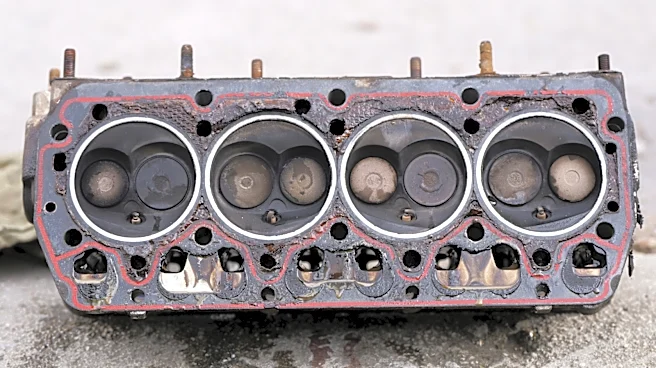
Chevrolet has left an indelible mark on the automotive industry through its pioneering engineering and distinctive design choices. From its early days, the brand embraced technical advancements, such as the overhead valve engine, which provided a competitive edge. This commitment to innovation, coupled with a keen eye for design, allowed Chevrolet to produce vehicles that not only performed well but also captured the public's imagination. The brand's
influence on the American automobile market, particularly during the mid-20th century, is a testament to its enduring legacy in both mechanical prowess and aesthetic appeal.
Revolutionary Engines: The Small-Block V8 and Beyond
At the heart of Chevrolet's engineering legacy is the small-block V8 engine, which debuted in 1955. This engine design has remained in continuous production longer than any other mass-produced engine globally, a remarkable feat of engineering longevity. While current versions share few interchangeable parts with the original, the fundamental design platform has been extensively modified with advancements like aluminum blocks and heads, electronic engine management, and sequential port fuel injection. These V8 engines, ranging from 4.3 to 9.4 liters and producing 111 to 994 horsepower, have powered a wide array of Chevrolet vehicles and have also been utilized in GM products under Pontiac, Oldsmobile, Buick, Hummer, Opel, and Holden nameplates. Beyond the V8, Chevrolet also introduced the "Stovebolt" overhead-valve inline six-cylinder engine in 1929, giving it a marketing advantage over competitors still offering four-cylinder engines.
Iconic Designs and Market Impact
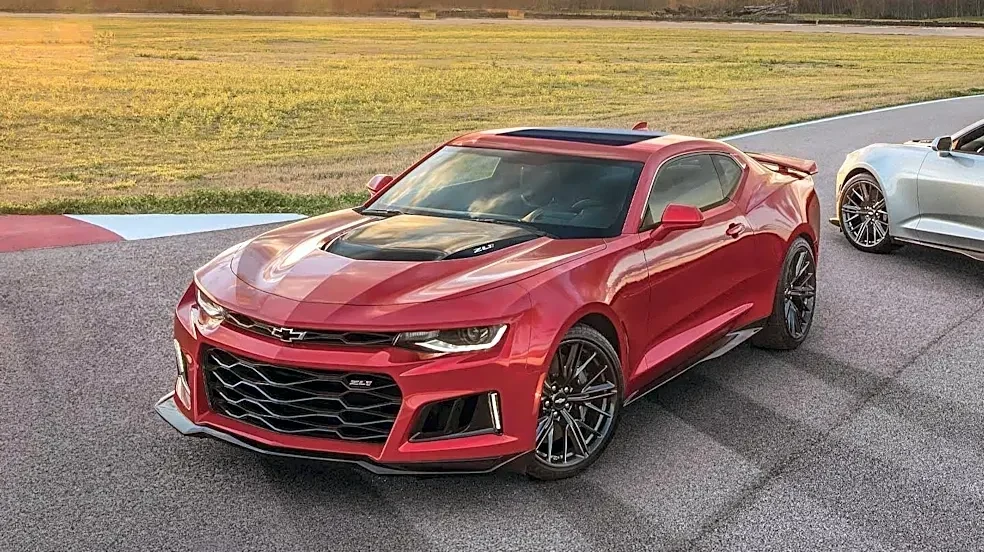
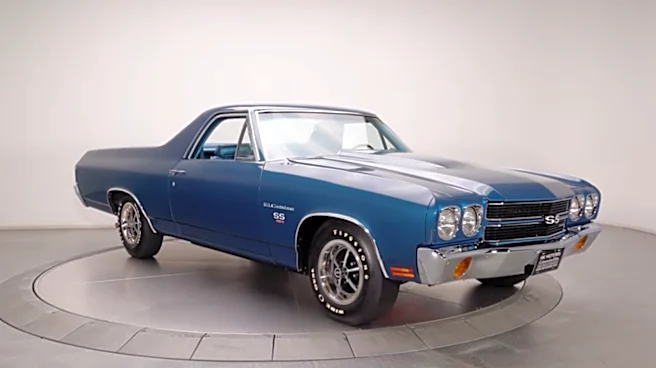
Chevrolet's design philosophy has consistently aimed to capture the spirit of its times, leading to several iconic models. In 1953, the brand introduced the Corvette, a two-seater sports car notable for its fiberglass body, which marked a significant departure in automotive construction. The 1950s and 1960s were particularly influential decades for Chevrolet, with models like the deluxe Chevrolet Impala series becoming one of the best-selling lines of automobiles in U.S. history. The brand also successfully entered the compact car market in 1960 with the Corvair, featuring a rear-mounted air-cooled engine. Later, the mid-sized Chevrolet Chevelle and the economically priced Chevrolet Nova further diversified its offerings, encompassing family sedans, practical station wagons, and sporty coupes and convertibles.
Evolving Aesthetics and Brand Identity
Chevrolet's visual identity has also evolved, most notably through its "bowtie emblem." First used in 1914, the origin of this logo is debated, with theories ranging from wallpaper in a French hotel room to a coal company logo or a stylized Swiss cross. Over time, Chevrolet used different iterations, often employing blue for passenger cars, gold for trucks, and an outline for performance packages. By 2004, the brand unified all vehicle models with the gold bowtie, aiming for brand cohesion and differentiation from rivals like Ford and Dodge. This consistent yet evolving approach to design, from engine architecture to brand insignia, underscores Chevrolet's lasting impact on automotive engineering and visual culture.