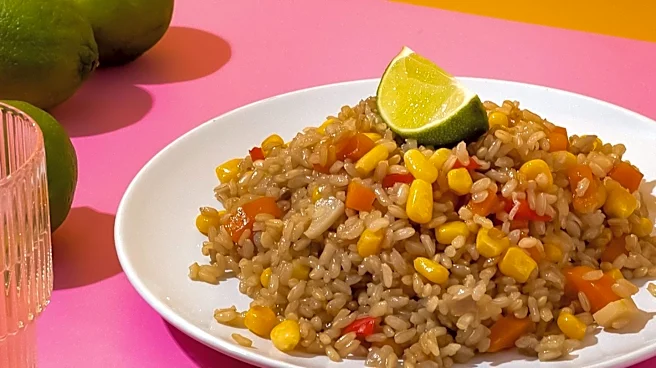

Nasi goreng, a beloved Southeast Asian fried rice dish, holds a significant place in the daily meals, street-food culture, and festive cuisines across Maritime Southeast Asia. Particularly prominent in Indonesia,
Malaysia, Singapore, Brunei, and southern Thailand, this dish is more than just a meal; it represents a culinary tradition deeply embedded in the region's identity. Its distinctive aromatic and smoky flavor, often attributed to caramelized sweet soy sauce and powdered shrimp paste, sets it apart from other fried rice varieties, making it a unique and cherished staple.
Defining Characteristics and Preparation
Traditionally, nasi goreng is prepared by stir-frying pre-cooked rice in a small amount of oil or margarine. Key seasonings include sweet soy sauce, shallots, garlic, ground shrimp paste, tamarind, and chili, which contribute to its complex flavor profile. Unlike Chinese-style fried rice, nasi goreng is generally spicier, a characteristic that appeals to the local palate. It is commonly served with additional ingredients such as egg, chicken, prawns, and various vegetables, enhancing its nutritional value and taste.The preparation method, particularly the use of sweet soy sauce and shrimp paste, is crucial to achieving its signature taste. The caramelization of the sweet soy sauce during stir-frying imparts a rich, slightly sweet, and savory depth, while the shrimp paste adds a pungent umami note that is fundamental to the dish. This combination creates a flavor that is both comforting and distinctly Southeast Asian, making it a favorite among locals and a memorable experience for visitors.
Regional Adaptations and Culinary Evolution
Over time, nasi goreng has evolved, leading to numerous regional variations that reflect the diverse local ingredients, culinary influences, and distinctive cooking techniques found across Southeast Asia. These adaptations highlight the dish's flexibility and its widespread presence in both household meals and vibrant street-food scenes. For instance, some variants are named after their geographic or cultural origins, such as nasi goreng Aceh, nasi goreng Bali, nasi goreng Jawa, and nasi goreng Padang, each offering a unique twist on the classic.Other variations are identified by their cooking methods or presentation. Nasi goreng amplop, for example, is wrapped in an omelette, while nasi goreng bakar is grilled in a banana leaf, and nasi goreng pelangi, or "rainbow fried rice," incorporates colorful vegetables. These creative approaches demonstrate how nasi goreng serves as a versatile canvas for regional flavors, absorbing external culinary influences while maintaining its core identity. The extensive diversity of nasi goreng variants underscores its enduring popularity and its role as a dynamic culinary tradition.
Global Recognition and Cultural Impact
The global appeal of nasi goreng was highlighted in 2011 when CNN International recognized it as the number two dish on their "World's 50 Most Delicious Foods" list. This international acknowledgment speaks to the dish's widespread appreciation beyond its Southeast Asian origins. Its presence in international culinary discussions further solidifies its status as a significant global food item.The dish has also played a role in cultural diplomacy and personal narratives. For example, it was featured on the menu of the Indonesian Theater Restaurant within the Indonesian pavilion at the 1964 New York World's Fair, introducing it to a broader American audience. Howard Palfrey Jones, the U.S. ambassador to Indonesia in the mid-1960s, even expressed his fondness for nasi goreng in his memoir, praising a version cooked by one of Sukarno's wives as the most delicious he had ever tasted. Such anecdotes illustrate the dish's ability to transcend cultural boundaries and leave a lasting impression.