



Lewis Robert Wilson, known to baseball fans as "Hack," was a Major League Baseball player whose career spanned 12 seasons. While celebrated for his powerful hitting, particularly his record-setting 1930 season, Wilson's life was marked by a complex interplay of athletic brilliance and personal struggles. His combative nature and excessive alcohol consumption, while making him a colorful figure of his time, ultimately contributed to the premature decline
of his athletic career and his early passing.
Early Career and Rise to Stardom
Wilson's journey in professional baseball began with the New York Giants, who purchased his contract from Portsmouth for $10,500. He made his major league debut with the Giants on September 29, 1923. Despite his relatively short stature, he quickly established himself as one of the most powerful hitters of the late 1920s and early 1930s. His talent was undeniable, leading him to become a prominent player for the Chicago Cubs, where he achieved his most iconic season.
His 1930 season with the Cubs is widely considered one of the greatest individual hitting performances in baseball history. During this year, he hit 56 home runs, a National League record for 68 years, and drove in 191 runs batted in (RBIs), a mark that has never been surpassed. He also boasted a .356 batting average and led the league in slugging percentage. These achievements showcased his immense skill and made him a rival to legendary sluggers like Babe Ruth.
The Impact of Personal Struggles
Despite his on-field success, Wilson's personal life was fraught with challenges. His reputation as a combative individual and his well-documented struggles with excessive alcohol consumption were significant aspects of his public persona. These traits, while contributing to his image as one of the most picturesque sports personalities of his era, also had detrimental effects on his career and well-being. His drinking habits and involvement in altercations are frequently cited as factors that hastened the end of his athletic career.
One notable incident involved a contract to fight Art Shires of the Chicago White Sox in a boxing match in late 1929. However, Wilson backed out of the fight after Shires lost to Chicago Bears player George Trafton in December, claiming there was no benefit to fighting a defeated boxer. Such episodes, combined with his lifestyle, painted a picture of a talented but troubled athlete whose off-field conduct often overshadowed his incredible abilities.
Decline and Post-Baseball Life
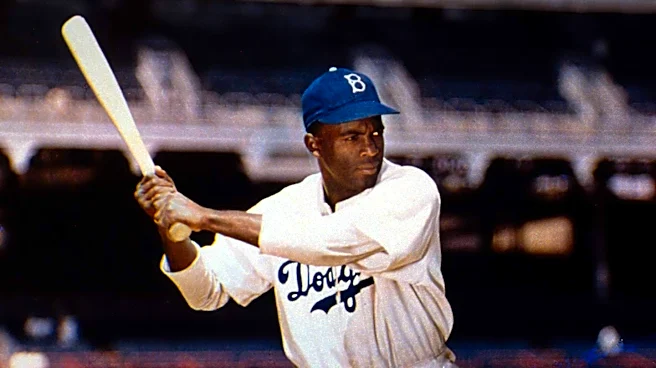
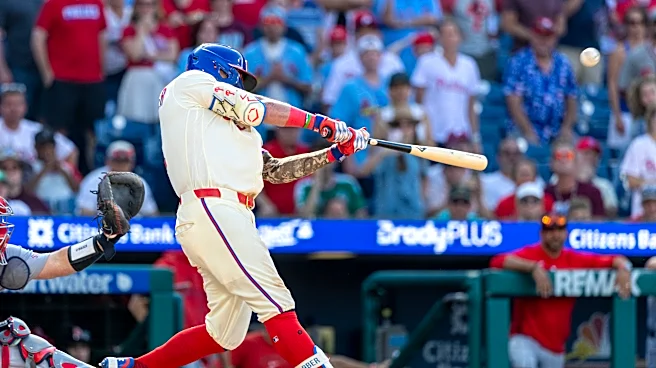
Following his peak in 1930, Wilson's performance began to decline. He played for the Brooklyn Dodgers and Philadelphia Phillies after his time with the Cubs, but he never recaptured the form of his record-setting season. The same issues that made him a colorful figure also contributed to his premature exit from the sport. His career, which had once rivaled the best, ended earlier than many might have expected given his talent.
After his baseball career, Wilson's life continued to be challenging. He passed away on November 23, 1948, at the age of 48. His induction into the Baseball Hall of Fame in 1979, long after his death, served as a posthumous recognition of his extraordinary contributions to the game, particularly his unparalleled 1930 season. His story remains a poignant reminder of a player whose immense talent was intertwined with significant personal struggles.