









Plug-in hybrid vehicles (PHEVs) have come a long way since their inception, evolving through various technological advancements and market demands. This article explores the historical development of PHEVs, highlighting key milestones and innovations that have shaped their journey.
Early Beginnings and Initial Concepts
The concept of hybrid vehicles dates back to the late 19th century, with the Lohner–Porsche Mixte Hybrid being one of the earliest examples. This vehicle, produced in 1899,
combined an internal combustion engine with electric motors, laying the groundwork for future hybrid technologies. However, it wasn't until the late 20th century that the idea of plug-in hybrids began to take shape.
In the 1960s and 1970s, interest in electric vehicles and hybrids grew due to concerns about air pollution and fuel efficiency. The General Motors XP-883, featured in a 1969 issue of Popular Science, was an early plug-in hybrid concept that could be recharged from a standard electrical outlet. Despite these early efforts, it would take several more decades for PHEVs to gain significant traction in the automotive market.
Revival and Technological Advancements
The early 2000s marked a revival of interest in plug-in hybrids, driven by rising fuel prices and environmental concerns. In 2003, Renault introduced the Elect'road, a plug-in series-hybrid version of its Kangoo model, which could be recharged from a standard outlet. This period also saw the emergence of aftermarket conversions, with companies like CalCars converting Toyota Prius models into plug-in hybrids by adding additional battery capacity.
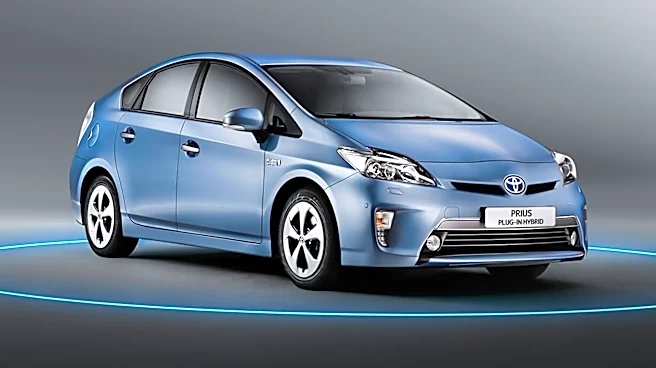
By 2006, major automakers like Toyota and General Motors announced plans to develop plug-in hybrids. Toyota's efforts culminated in the release of the Prius Plug-in Hybrid in 2012, which became one of the best-selling plug-in hybrids globally. General Motors launched the Chevrolet Volt in 2010, a vehicle that played a significant role in popularizing PHEVs in the United States.
Market Growth and Global Impact
The 2010s saw a significant increase in the production and sales of plug-in hybrids, with various models entering the market. By 2015, global sales of PHEVs had reached 222,000 units, and by 2025, the number had grown to 7.2 million. China emerged as the largest market for plug-in hybrids, with a stock of 15 million units by the end of 2025.
The success of PHEVs can be attributed to their ability to offer the benefits of electric driving while maintaining the range and convenience of traditional internal combustion engines. As battery technology continues to improve and charging infrastructure expands, plug-in hybrids are expected to play a crucial role in the transition to more sustainable transportation solutions.