


The concept of the stratified charge engine, which involves creating a non-uniform air/fuel mixture within the combustion chamber, has a long and rich history, predating many modern engine designs. This innovative approach aims to improve efficiency and reduce emissions by igniting a rich mixture near the spark plug and then burning a leaner mixture throughout the rest of the cylinder. From early pioneers to modern automotive giants, the development
of stratified charge technology showcases a continuous quest for more efficient internal combustion.
Early Innovations and the Brayton Principle
The fundamental principle of injecting fuel directly into the combustion chamber just as combustion is needed was first conceived by George Brayton in 1887. Brayton described his invention as a method where "heavy oils can be mechanically converted into a finely-divided condition within a firing portion of the cylinder, or in a communicating firing chamber." He further noted that he had "for the first time... regulated speed by variably controlling the direct discharge of liquid fuel into the combustion chamber or cylinder into a finely-divided condition highly favorable to immediate combustion." This marked the first engine to use a lean burn system to regulate engine speed and output, firing on every power stroke with speed controlled solely by the quantity of injected fuel.
Following Brayton, Harry Ricardo began exploring the idea of a lean burn "stratified charge" engine in the early 1900s, making improvements to his designs in the 1920s. These early efforts laid crucial groundwork for future developments in stratified charge technology, demonstrating the potential for improved efficiency through precise fuel management within the cylinder.
Hesselman and the Texaco Controlled Combustion System
A significant early example of gasoline direct injection, which often incorporates stratified charge principles, was the Hesselman engine, invented by Swedish engineer Jonas Hesselman in 1925. Hesselman engines operated on an ultra-lean burn principle, injecting fuel at the end of the compression stroke and then igniting it with a spark plug. These engines were often started on gasoline and then switched to run on diesel or kerosene, highlighting their multi-fuel capability. The Texaco Controlled Combustion System (TCCS), developed in the 1950s, closely resembled the Hesselman design. The TCCS was notably tested in UPS delivery vans and demonstrated an overall economy increase of approximately 35 percent, showcasing the practical benefits of stratified charge in real-world applications.
Modern Implementations and Widespread Adoption
In the 1970s, Honda introduced its CVCC (Compound Vortex Controlled Combustion) engine, a form of stratified charge engine that achieved wide market acceptance. Featured in models like the Civic, Accord, and City, the CVCC system used a third, supplementary inlet valve to charge an area around the spark plug, isolated from the main cylinder by a perforated metal plate. This design allowed a series of flame fronts to ignite the very lean main charge, ensuring complete combustion. Honda City Turbo engines, utilizing this technology, achieved high power-to-weight ratios at high engine speeds.
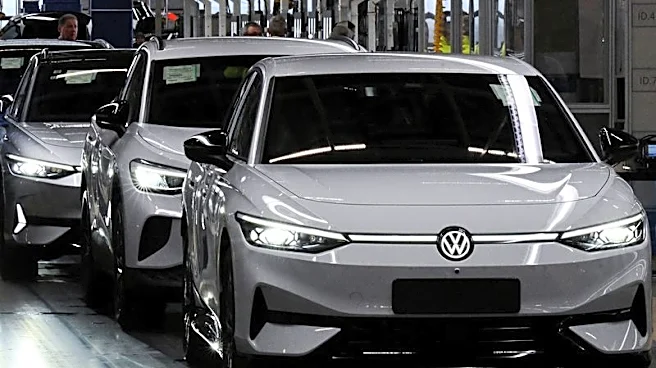
Jaguar Cars also adopted a stratified charge design in the 1980s for its V12 engine, known as the H.E. (High Efficiency) version. This 'May Fireball' design was implemented to reduce the engine's substantial fuel consumption. Even smaller engines, such as the 50 cc two-stroke engine in the Vespa ET2 scooter, utilized a mechanical stratified charge system. This system injected a rich fuel mixture near the spark plug just before ignition, with air admitted through the transfer port, demonstrating the versatility of the stratified charge concept across different engine types and sizes. Today, companies like Volkswagen and Mercedes-Benz continue to refine and implement stratified charge technology in their modern direct injection engines, building on over a century of innovation.