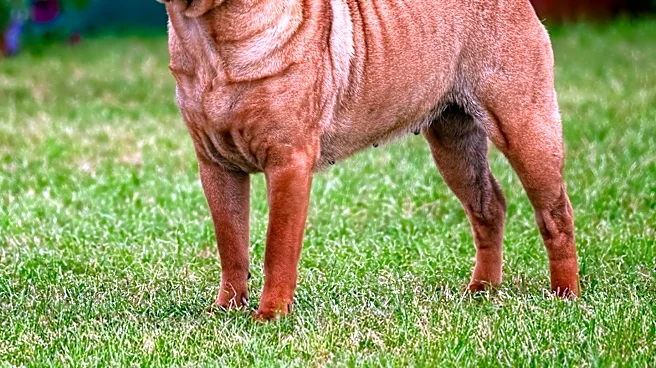







The Shar Pei is a unique dog breed originating from southern China, known for its distinctive wrinkles and loyal nature. This breed has a fascinating history, marked by near extinction and revival. Understanding the historical journey of the Shar Pei provides insight into its cultural significance and the efforts made to preserve it.
Origins and Early History
The Shar Pei's origins are somewhat mysterious, with no definitive records detailing its early development. However,
it is believed to closely resemble effigies of guard dogs from the Han dynasty in southern China. These early dogs were likely used for protection and companionship, traits that have persisted in the breed to this day. The Shar Pei, along with the Chow Chow, is thought to descend from these ancient dogs, making it one of the basal breeds predating modern dog breeds.
During the Han dynasty, the Shar Pei was a popular breed, valued for its guarding abilities. Its unique appearance, characterized by deep wrinkles, set it apart from other breeds. This distinct look has been maintained in the West, while a less wrinkled form is preserved in Hong Kong. The breed's early history is a testament to its resilience and adaptability, traits that have helped it survive through challenging times.
Near Extinction and Revival
The 20th century was a tumultuous time for the Shar Pei. Political turmoil and war in China led to a drastic decline in the breed's population. By the 1970s, the Shar Pei was on the brink of extinction, with only a handful remaining. In 1973, Matgo Law, a businessman from Hong Kong, made a passionate appeal to the international community, particularly the American Kennel Club, to save the breed.
This appeal garnered significant attention, and by 1978, the Shar Pei was recognized by The Guinness Book of Records as the world's rarest breed. The publicity sparked interest in the United States, leading to a surge in demand. Unfortunately, unscrupulous breeders in Hong Kong, Macau, and Taiwan began crossing purebred Shar Peis with other breeds, resulting in a dog with a fleshier mouth, known as the "meat-mouth" Shar Pei.
Preservation Efforts and Modern Recognition
In the United States, dedicated breeders took up the cause of preserving the Shar Pei. Using dogs smuggled from Hong Kong, they established a breed club and worked tirelessly to maintain the breed's integrity. In 1992, the American Kennel Club officially recognized the Shar Pei, specifying the meat-mouth type in the breed standard.
Despite these efforts, the traditional bone-mouth Shar Pei remains rare, with only 50 to 100 examples estimated to exist. In recent years, some breeders have focused on creating a smaller version of the breed, known as the "miniature Shar Pei," which has sparked debate among enthusiasts. The Shar Pei's journey from near extinction to revival is a testament to the dedication of breeders and the breed's enduring appeal.