







Ghana, located in West Africa, boasts a diverse geographic landscape that spans coastal savannas, tropical rainforests, and high plains. This varied terrain is home to a wealth of natural resources that play a crucial role in the country's economy and development. Understanding Ghana's geographic features and resource distribution provides insight into its environmental and economic dynamics.
Geographic Features and Ecosystems
Ghana's geography is characterized by four distinct regions:
the low plains, Ashanti Uplands, Akwapim-Togo Ranges, and Volta Basin. The low plains stretch across the southern part of the country, encompassing coastal savannas and the Volta Delta. This region is marked by sandy shores, scrublands, and several rivers, including the Volta River, which forms the world's largest artificial lake, Lake Volta.
The Ashanti Uplands and Akwapim-Togo Ranges are located in the central and eastern parts of Ghana, respectively. These areas feature forested plateaus and hilly terrains, providing habitats for diverse flora and fauna. The northern sector of Ghana is dominated by high plains, which are relatively flat and support agricultural activities.
Natural Resources and Economic Impact
Ghana is rich in natural resources, including industrial minerals, hydrocarbons, and precious metals. The country is the second-largest producer of cocoa globally, contributing significantly to its agricultural sector. Additionally, Ghana possesses substantial gold reserves, making it one of the leading gold producers in Africa.
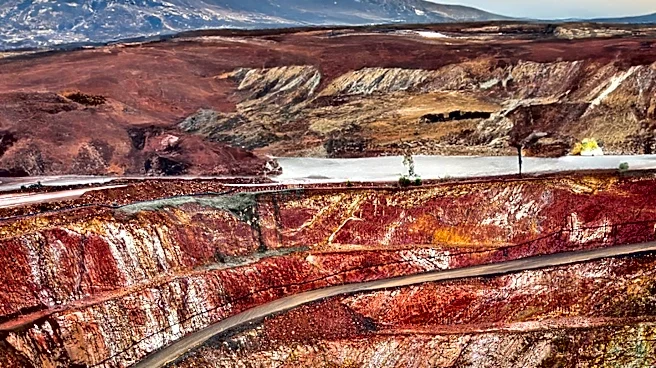
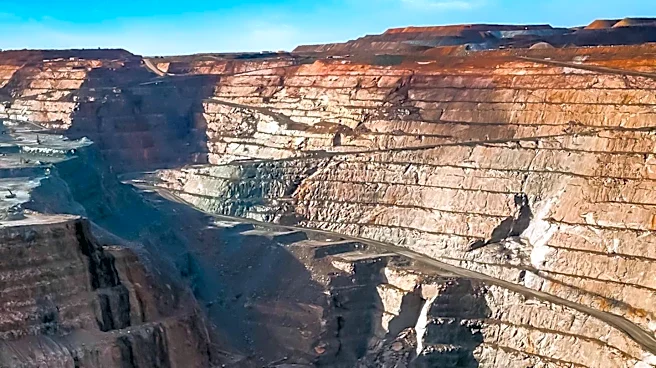
The mining industry is a vital component of Ghana's economy, with gold, diamonds, bauxite, and manganese being key exports. The Tarkwa goldfield and diamond operations in the Bonsa Valley are notable mining sites. The exploration of oil and natural gas reserves has further bolstered Ghana's economic prospects, with the Jubilee Oil Field being a significant discovery.
Environmental Challenges and Conservation Efforts
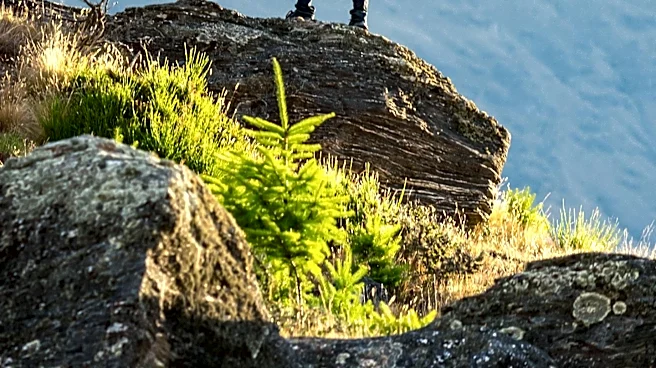
Despite its abundant resources, Ghana faces environmental challenges such as deforestation, soil erosion, and pollution. The country's tropical rainforests are under threat from logging and agricultural expansion, impacting biodiversity and ecosystem health. Efforts to combat deforestation include initiatives like Green Ghana Day, aimed at planting millions of trees to restore forest cover.
Conservation efforts are also focused on protecting wildlife and natural habitats. National parks such as Kakum and Mole provide refuge for various species and promote ecotourism. These parks offer opportunities for visitors to experience Ghana's natural beauty while supporting conservation initiatives.