







The Port Chicago disaster was a catastrophic event that occurred on July 17, 1944, at the Port Chicago Naval Magazine in California. This tragic explosion resulted in the deaths of 320 sailors and civilians and injured over 390 others. The disaster not only caused significant loss of life but also led to a series of events that highlighted the unsafe working conditions and racial discrimination prevalent in the U.S. Navy at the time.
The Explosion and Its Immediate Impact
On the evening
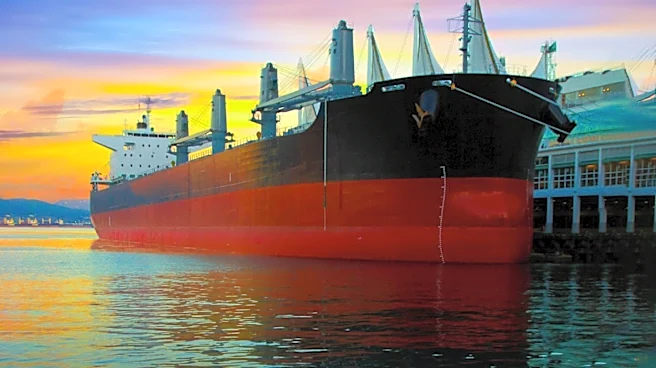
of July 17, 1944, the Liberty ship SS E. A. Bryan was docked at the Port Chicago Naval Magazine, loaded with approximately 5,000 tons of munitions. Nearby, the newly built Victory ship SS Quinault Victory was being prepared for loading. At 10:18 p.m., a massive explosion occurred, followed by a second, even more powerful blast. The explosions were so intense that they were felt miles away, and the resulting fireball was visible from a great distance.
The immediate aftermath of the explosion was devastating. The pier was obliterated, and the surrounding area, including the town of Port Chicago, suffered extensive damage. The blast killed all 320 men at the pier instantly, and the debris injured many more. The destruction was so severe that only 51 of the deceased could be identified. The disaster caused nearly $9.9 million in damage to U.S. government property, a figure that would be equivalent to much more today.
Unsafe Working Conditions
The Port Chicago disaster brought to light the unsafe working conditions that were prevalent at the naval magazine. The loading of munitions was carried out under significant pressure to meet high tonnage goals, often at the expense of safety. The winches used for loading were in poor condition, and there was a lack of proper training for the enlisted men handling the explosives.
The Navy's practices at Port Chicago were particularly hazardous due to the lack of a system to ensure that officers and men were familiar with safety regulations. Despite the dangerous nature of the work, no formal training was provided to the enlisted men, many of whom were African American. This lack of training and the pressure to load munitions quickly contributed to the disaster.
The Port Chicago Mutiny
In the wake of the disaster, the unsafe conditions led to a significant protest known as the Port Chicago Mutiny. A month after the explosion, hundreds of servicemen refused to load munitions under the same dangerous conditions. This act of defiance resulted in the court-martial of more than 200 men, with 50 being convicted of mutiny.
The Port Chicago Mutiny and the subsequent trials highlighted the racial discrimination and unfair treatment faced by African American servicemen in the Navy. The event became a catalyst for change, eventually leading to the desegregation of the U.S. Navy in 1946. The Port Chicago disaster and its aftermath remain a significant chapter in the history of civil rights and military reform in the United States.