




Wheel alignment, often referred to as wheel tracking, is a crucial vehicle maintenance procedure that involves adjusting the geometric angles of a vehicle's wheels. This process is vital for ensuring stable vehicle handling, promoting straight-line travel without the car pulling to one side, and preventing abnormal tire wear. While some specialized applications, such as motorsport or off-road driving, might intentionally adjust these angles outside
manufacturer specifications for particular handling characteristics, for most drivers, proper alignment is about safety and efficiency.
The Primary Angles: Camber, Caster, and Toe
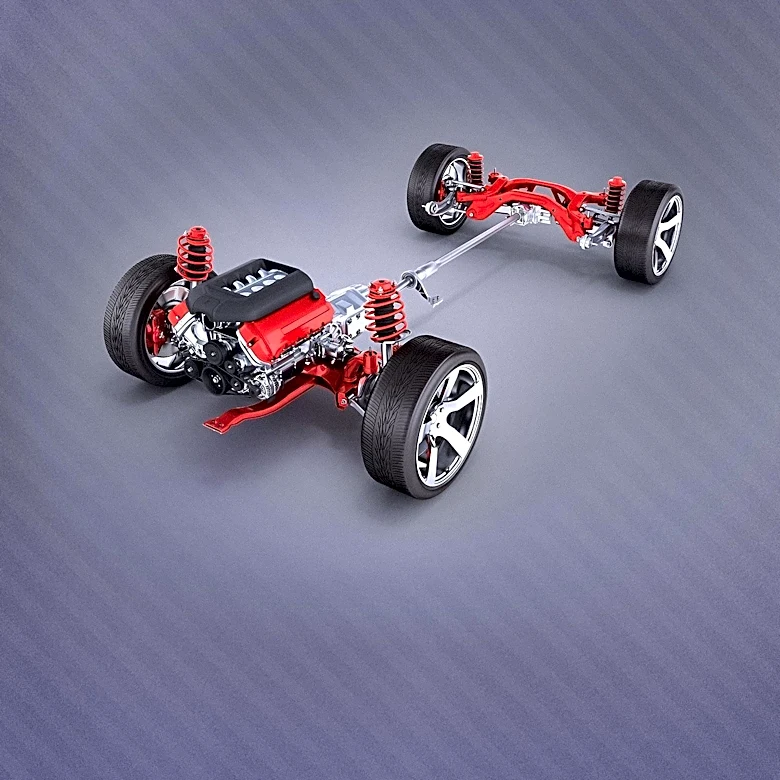
The fundamental adjustments in wheel alignment revolve around three primary angles: camber, caster, and toe. These angles define the basic alignment of the wheels relative to each other and to the car's body. It's important to note that on some vehicles, not all of these parameters can be adjusted on every wheel. These three primary angles are further categorized for both the front and rear wheels, though caster is typically not applicable to the rear wheels as they are generally not steered.
Camber refers to the inward or outward tilt of the wheel when viewed from the front of the vehicle. An incorrect camber setting can lead to uneven tire wear, as either the inner or outer edge of the tire might bear more load than intended. Maintaining the correct camber ensures that the tire makes optimal contact with the road surface, distributing wear evenly across the tread.
Caster Angle and Its Impact on Steering Stability
Caster is the angle of the steering axis when viewed from the side of the vehicle. It influences the directional stability of the steering. A proper caster setting helps the wheels to self-center after a turn, contributing to a vehicle's ability to maintain a straight line without constant steering input from the driver. Incorrect caster can make the steering feel either too light and unstable or too heavy and difficult to turn, impacting overall driving comfort and safety.
For the front wheels, caster is specified for both the left and right sides. This angle is particularly important for the steering wheels, which is why it's typically not a factor for the rear wheels. In racing, large caster angles are sometimes used to improve camber gain during cornering, though this often necessitates power steering to manage the increased steering effort. Some front-end alignments may even call for different caster settings on the right and left sides, known as cross caster, to compensate for road crown or other factors.
Understanding Toe: The Parallelism of Wheels
Toe, also known as tracking, describes how parallel the wheels are to each other when viewed from above. Toe-in means the front of the wheels are closer together than the rear, while toe-out means the opposite. This angle is crucial for minimizing tire scrub and ensuring the vehicle tracks straight. Incorrect toe settings are a common cause of rapid and uneven tire wear, as the tires are constantly being dragged sideways across the road surface.
Toe settings are specified for both the left, right, and total for both front and rear wheels. In rear-wheel drive vehicles, a slight front toe-in can enhance straight-line stability, though it might slightly reduce steering response. Performance vehicles, however, might opt for zero toe or even some toe-out to achieve a quicker steering feel. For front-wheel drive vehicles, the dynamics are more complex, and rear toe-in can improve stability during cornering. While caster and camber are often not adjustable on production cars, toe is usually adjustable, making it a key focus during routine alignment maintenance.