
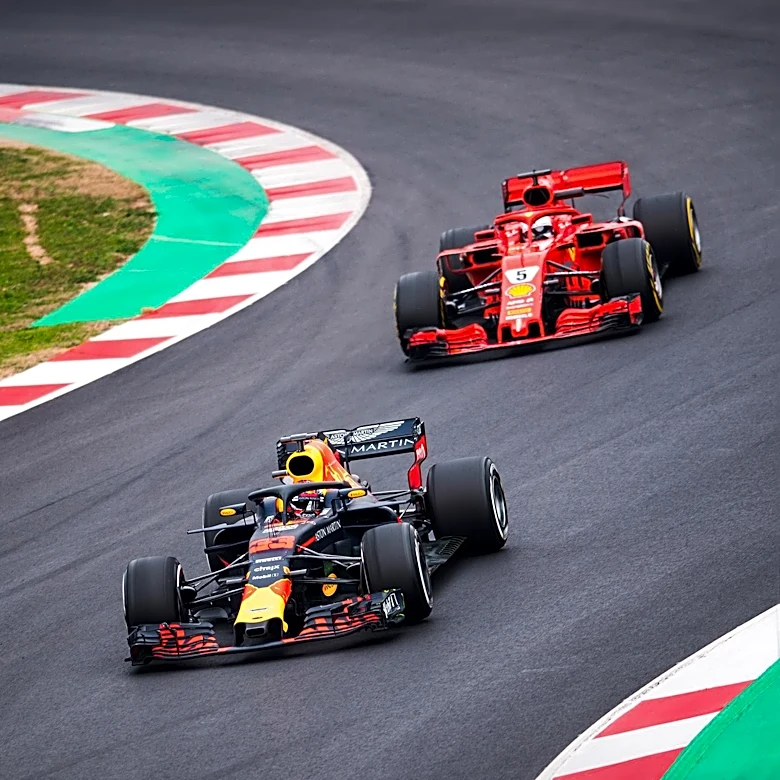




The Formula One Group has undergone significant transformations since its inception, evolving into a major player in the world of motorsports. This article explores the historical development of the Formula One Group, focusing on its ownership changes and the key figures who have shaped its journey. From its early days under Bernie Ecclestone to its acquisition by Liberty Media, the Formula One Group's history is a testament to the dynamic nature
of the sport.
Early Beginnings and Bernie Ecclestone's Influence
The Formula One Group's roots can be traced back to the formation of the Formula One Constructors' Association (FOCA) in 1974. This organization was established to enhance the commercial organization of Formula One for the benefit of racing teams. Bernie Ecclestone, a former Formula One team boss, played a pivotal role in the Group's early development. In 1978, Ecclestone became the executive of FOCA and fought for control of the sport's commercial rights. His efforts culminated in the Concorde Agreement of 1981, which granted FOCA the right to negotiate television contracts, marking a significant turning point in the Group's history.
Ecclestone's influence continued to grow as he established Formula One Promotions and Administration (FOPA) in 1987 to manage TV rights for the teams. This entity later evolved into Formula One Management (FOM), which became the main operating company of the Group. Under Ecclestone's leadership, the Formula One Group expanded its reach and solidified its position as a major force in motorsports.
Ownership Changes and the Rise of Liberty Media
The Formula One Group's ownership structure has seen several changes over the years. Initially owned by Delta Topco, a Jersey-based company, the Group was primarily controlled by investment companies such as CVC Capital Partners, Waddell & Reed, and LBI Group. Bernie Ecclestone and other directors also held stakes in the company. However, in 2017, a significant shift occurred when Liberty Media acquired the Formula One Group.
Liberty Media's acquisition marked a new era for the Group, with Chase Carey taking over as chief executive and Ross Brawn appointed as managing director. This transition brought fresh perspectives and strategies to the Group, aiming to expand its global presence and enhance fan engagement. The acquisition also led to the introduction of new races and innovations in the sport, reflecting Liberty Media's commitment to evolving Formula One.
The Formula One Group Today
Today, the Formula One Group continues to be a key player in the world of motorsports, managing the commercial rights and promotion of the FIA's Formula One World Championship. The Group's operations are centered around Formula One Management, which controls broadcasting, organization, and promotional rights. The company produces televised feeds of all Grand Prix sessions, ensuring that fans worldwide can experience the excitement of Formula One racing.
Financially, the Group invests in new tracks and teams, fostering the growth of Formula One in emerging markets. The season calendar is structured by the Group, with oversight from the World Motor Sport Council. As the sport continues to evolve, the Formula One Group remains at the forefront, driving innovation and expanding its global reach.
In conclusion, the Formula One Group's journey from its early days under Bernie Ecclestone to its current status under Liberty Media highlights the dynamic nature of the sport. With a focus on innovation and global expansion, the Group continues to shape the future of Formula One racing.