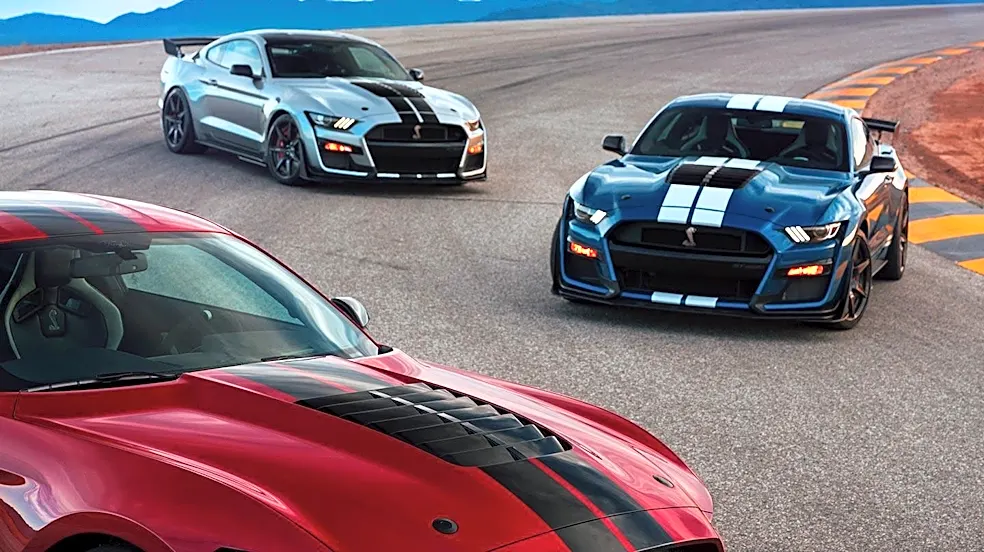

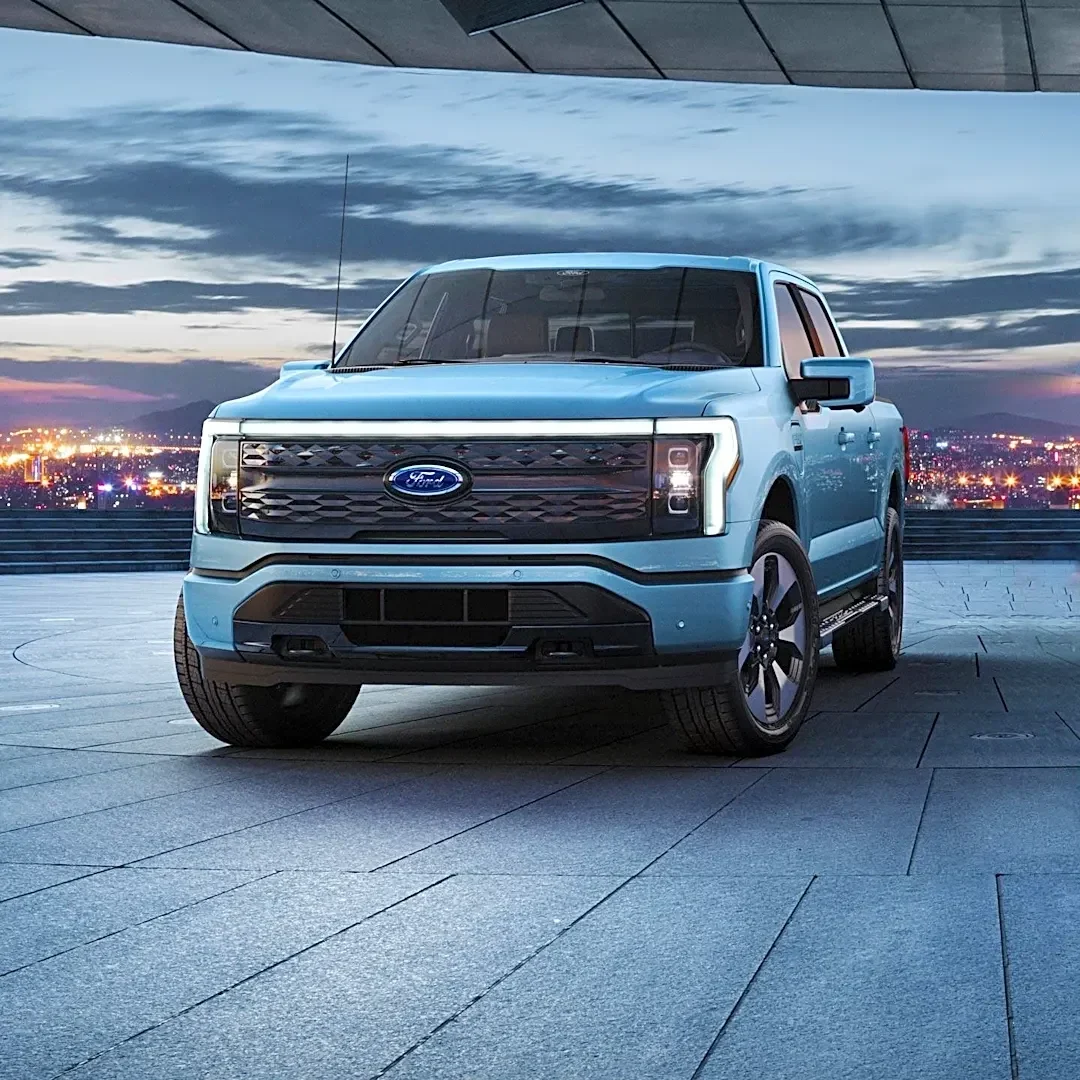
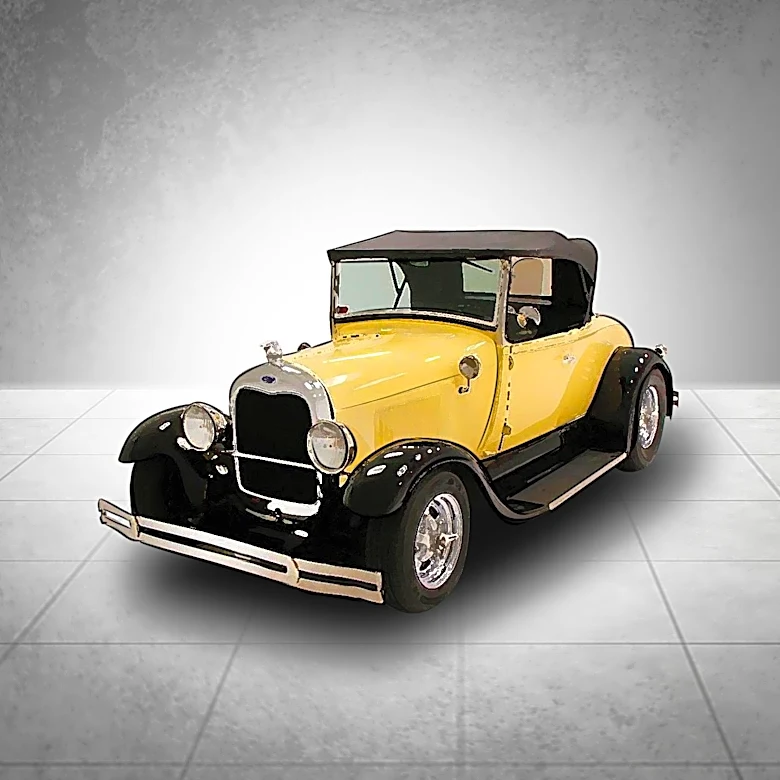


Ford Motor Company has a long-standing tradition of producing high-performance vehicles, a commitment that has evolved through various specialized divisions over the decades. This journey began with the establishment of dedicated teams focused on enhancing the performance of production models and developing unique, high-octane machines. From the early days of Special Vehicle Operations (SVO) to the globally integrated Ford Performance, these divisions have
consistently pushed the boundaries of automotive engineering, delivering vehicles that capture the essence of speed and power for enthusiasts. The story of these divisions is one of innovation, strategic mergers, and a continuous drive to deliver top-tier performance to the market.
The Genesis: Special Vehicle Operations (SVO)
The foundation for Ford's dedicated performance arm was laid in 1983 with the creation of Special Vehicle Operations, or SVO. This division was established by a collaborative effort involving John Plant from Ford Marketing, Janine Bay from Ford Mustang Program Management, and Robert Burnham from Ford Truck Program Management. SVO's initial focus was multifaceted, aiming not only to develop specialized vehicles but also to market performance parts through dealer networks, a practice that continues today under the Ford Performance Parts (FPP) banner. One of SVO's notable early achievements was the development of the 1984–1986 2.3-liter turbo-charged 4-cylinder Mustang SVO, a vehicle that showcased the division's engineering capabilities and commitment to performance.
The Rise of Special Vehicle Team (SVT)
Following the work of SVO, the Special Vehicle Team (SVT) emerged in 1991 as its successor, taking on the mantle of developing Ford's highest-performance vehicles. SVT continued the tradition of creating specially tuned versions of existing Ford production vehicles, such as the 2010 F-150 SVT Raptor, which was based on the Ford F-150. However, SVT also demonstrated its capacity for independent development, notably with the GT supercar, a project undertaken in conjunction with Saleen. Over its tenure, SVT saw leadership from figures like John Coletti (1993-2004) and Hau Thai-Tang (2004-2007), with Hermann Salenbauch serving as its last director, guiding the division through significant performance innovations.
The Raptor's Debut: A New Breed of Off-Road Performance
A significant milestone for SVT was the debut of the 2010 F-150 SVT Raptor. This high-performance off-road truck represented a new direction for the division, focusing on extreme capability beyond traditional road performance. The Raptor featured a completely redesigned suspension system, incorporating internal-bypass Fox Racing Shocks and specially developed BF Goodrich all-terrain 35-inch tires. This engineering made the Raptor an OEM-style "pre-runner," a term referring to reconnaissance vehicles used for high-speed testing of off-road race courses. The 2010 F-150 SVT Raptor also introduced the all-new 6.2-liter V8 engine as an option, which was later expected to become standard. This engine delivered 411 horsepower and 434 lb-ft of torque, paired with a 6-speed automatic transmission, selectable 4WD, and a rear E-Locker designed to remain engaged at high speeds, solidifying the Raptor's reputation as a formidable off-road machine.
Globalization and the Birth of Ford Performance
The landscape of Ford's performance divisions underwent a significant transformation in 2015. As part of Ford's broader strategy to globalize its vehicle offerings, SVT merged with the European RS division and Ford Racing. This consolidation led to the formation of Ford Performance, a new global entity designed to align all American and European performance vehicle activities under a single banner. This strategic move aimed to streamline development, leverage expertise across continents, and create a unified vision for Ford's high-performance future. Ford Performance now serves as the overarching division responsible for continuing the legacy of innovation and speed established by its predecessors, SVO and SVT, bringing together diverse performance traditions into a cohesive global effort.