



For decades, motorsport road racing circuits and events faced a comprehensive ban in Switzerland, a direct consequence of the tragic 1955 Le Mans disaster. This prohibition significantly shaped the landscape of racing within the country, limiting competitive events primarily to time trial formats like hillclimbing. The journey to lift this ban was protracted, marked by legislative attempts, partial relaxations, and ultimately, a full legalization
that is set to reshape Swiss motorsport.
The Genesis of the Ban: The 1955 Le Mans Disaster
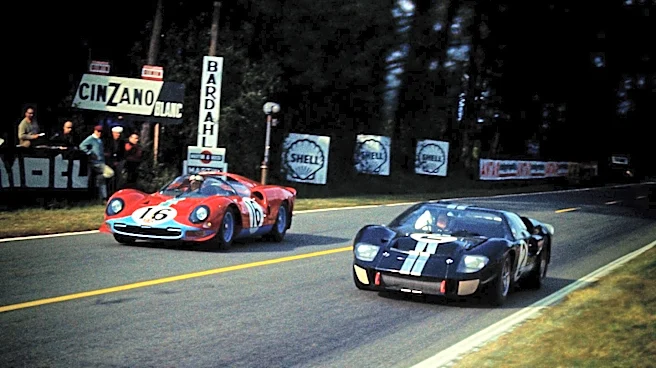
The pivotal event leading to Switzerland's strict motorsport regulations was the catastrophic Le Mans disaster in 1955. This incident, which resulted in numerous fatalities, prompted the Swiss government to declare circuit motor racing an unsafe sport. Consequently, a ban was swiftly implemented, forcing the cancellation of the planned 1955 Swiss Grand Prix at Bremgarten. The Circuit Bremgarten, a challenging 7.27-kilometer stretch of public roads near Bern, had been the premier auto race venue in Switzerland since 1934, hosting the Swiss Grand Prix annually until 1939 and then again from 1947 to 1954. Its abandonment after the ban marked the end of an era for circuit racing within the country's borders.
The Bremgarten circuit itself was known for its inherent dangers, even before the 1955 ban. Its tree-lined roads, often poor light conditions, and varying road surfaces contributed to its reputation as a very hazardous track, particularly in wet weather. Water would continue to drip onto the tarmac from the trees for an hour or more after rain, creating treacherous conditions. Despite these risks, the circuit was popular among drivers, drawing parallels to Germany's Nürburgring. The first Swiss Grand Prix in 1934, a non-championship race, saw a fatal accident involving British driver Hugh Hamilton. Subsequent races also witnessed multiple fatalities and serious injuries, including the death of veteran Italian racer Achille Varzi during a rain-soaked practice session in 1948, and Swiss driver Christian Kautz in the same year. These incidents underscored the perilous nature of early Grand Prix racing, which ultimately contributed to the government's decision to impose the ban.
Legislative Attempts and Partial Relaxations
Efforts to overturn the ban began to gain traction in the 21st century. On June 6, 2007, the lower house of the Swiss parliament, the National Council, passed an amendment to lift the ban on circuit racing, with 97 votes in favor and 77 opposed. However, this legislative attempt faced significant hurdles. The proposed law failed to pass the upper house, the Council of States, and was ultimately withdrawn in 2009 after being rejected twice. This demonstrated the persistent caution and resistance within Swiss political circles regarding the full reintroduction of motorsport.
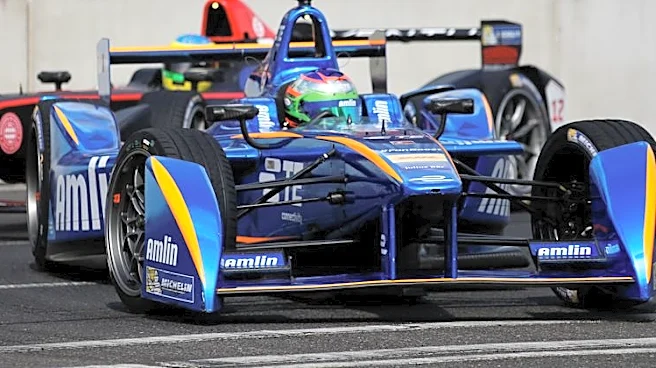
A significant breakthrough occurred in 2015 when the Swiss government allowed a relaxation of the law, specifically permitting head-to-head racing for electric vehicles only. This amendment paved the way for the return of international motor racing to Switzerland after a 63-year hiatus. In June 2018, the first Zürich ePrix was held as a round of the all-electric Formula E championship, marking a historic moment for Swiss motorsport. This event was the first motor race in Switzerland since the 1955 ban, showcasing a new, environmentally conscious approach to competitive racing within the country.
The Full Legalization of Motorsport
The journey towards a complete lifting of the ban culminated with a law passed in May 2022. This legislation will fully legalize Swiss motorsport on June 1, 2026, through the revision of the Road Traffic Act. Specifically, Article 52, the provision that had banned motorsport in Switzerland for 71 years, will be repealed. This comprehensive legalization will allow for all forms of motorsport, moving beyond the electric vehicle-only restriction. While circuit road racing was prohibited for decades, other forms of motorsport, such as rallying, motocross, supermotard, enduro, and trials, were always permitted. The upcoming full legalization signifies a complete reversal of the post-1955 policy, opening Switzerland once again to the full spectrum of competitive motor racing events.