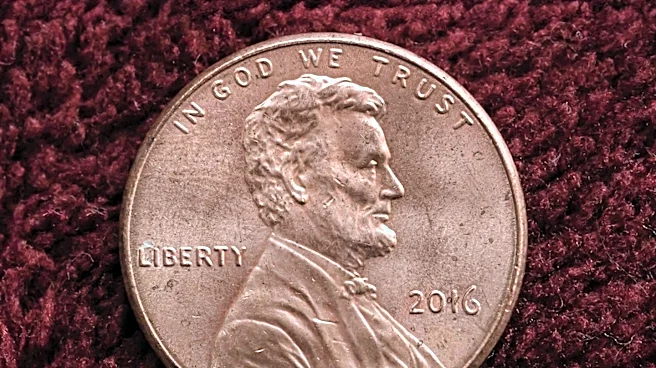








The phrase "In God We Trust" holds a significant place in American culture and society. Adopted as the national motto of the United States in 1956, it reflects the country's religious heritage and has been a part of U.S. currency since 1864. This article explores the cultural and social significance of this phrase, examining its role in American identity and its presence in public life.
Historical Roots and Adoption
The phrase "In God We Trust" first appeared on American money
in 1864, when it was added to a two-cent coin. This move was part of a broader trend during the Civil War era, where there was a push to acknowledge the divine in public life. The adoption of the phrase as the national motto in 1956 further cemented its place in American culture. This decision was made during a time of heightened religious sentiment in the United States, partly as a response to the perceived threat of atheistic communism during the Cold War.
The adoption of "In God We Trust" as the national motto was not without controversy. Some viewed it as a necessary affirmation of the country's religious roots, while others saw it as a violation of the separation of church and state. Despite these debates, the phrase has remained a fixture in American public life, symbolizing a connection to a shared religious heritage.
Presence in Public Life
"In God We Trust" is prominently displayed on U.S. currency, serving as a constant reminder of the nation's religious heritage. Its presence on money is a unique aspect of American culture, as few other countries incorporate religious phrases into their currency. This practice has sparked discussions about the role of religion in public life and the extent to which it should be reflected in government and public institutions.
Beyond currency, the phrase is also the state motto of Florida, further highlighting its significance in American society. Its use in official state symbols and documents underscores the enduring influence of religious values in shaping state and national identities. The phrase's presence in these contexts continues to provoke discussions about the balance between religious expression and secular governance.
Symbolism and Identity
The phrase "In God We Trust" serves as a symbol of American identity, representing a connection to the country's religious and cultural heritage. For many, it embodies a sense of unity and shared values, reflecting a belief in divine providence and guidance. However, its use also raises questions about inclusivity and the representation of diverse beliefs within the nation.
As the United States continues to evolve, the phrase remains a point of discussion and debate. It challenges Americans to consider the role of religion in public life and how it shapes national identity. Despite differing opinions, "In God We Trust" endures as a powerful symbol of the nation's complex relationship with faith and governance.