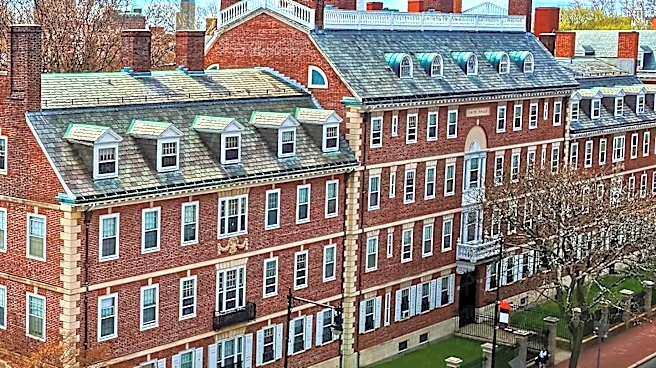








Harvard University, beyond its renowned academic programs, fosters a vibrant student life and campus culture, characterized by diverse activities, robust student governance, and a strong athletic tradition. With a highly residential environment centered on Harvard Yard in Cambridge, and additional campuses in Boston, the university provides a comprehensive experience for its students. From student-run publications to competitive NCAA Division I sports,
Harvard offers numerous avenues for engagement and development, shaping the lives of its undergraduates and graduate students alike. This rich tapestry of activities complements the rigorous academic pursuits, creating a dynamic and engaging environment.
Governance, Media, and Community Engagement
Student governance at Harvard has evolved over time to represent the diverse student body. Historically, the Undergraduate Council represented Harvard College undergraduate students until its dissolution in 2022, when it was replaced by the Undergraduate Association. This body ensures that undergraduate voices are heard and represented within the university's administration. Similarly, the Graduate Council represents students across all twelve graduate and professional schools, most of which also maintain their own student government bodies, allowing for tailored representation and advocacy within each specialized academic unit.
Student media plays a significant role in campus life, with The Harvard Crimson standing out as the university's primary student newspaper. Founded in 1873, The Crimson is entirely run by Harvard undergraduate students, providing a platform for journalism and commentary. Its long history includes notable alumni who worked there, such as two U.S. presidents, Franklin D. Roosevelt and John F. Kennedy, highlighting its prestige and influence. These student-run organizations contribute to a lively intellectual and social environment, offering practical experience and fostering a sense of community.
Athletics and Campus Traditions
Athletics are a cornerstone of Harvard's campus culture, with Harvard College competing in the NCAA Division I Ivy League conference. The university fields an impressive 42 intercollegiate sports teams, which is more than any other college in the country. This extensive athletic program provides opportunities for a large number of students to participate in competitive sports. Notably, Harvard and the other seven Ivy League universities are prohibited from offering athletic scholarships, emphasizing academic achievement alongside athletic prowess. The school color, crimson, is a unifying symbol for its athletic teams, known as the Harvard Crimson.
Among its successful athletic programs, the fencing team achieved significant recognition by winning the 2006 NCAA team championship in men's and women's combined fencing. Benjamin (Benji) Ungar, representing Harvard Crimson, won Gold in the 2006 Individual Men's Épée event at the NCAA Fencing Championship and was named Harvard Athlete of The Year. Beyond individual achievements, rivalries like the Cornell–Harvard hockey rivalry further enrich the athletic landscape, fostering spirited competition and school pride. These traditions and activities contribute to a holistic student experience, balancing academic rigor with opportunities for personal growth and community involvement.