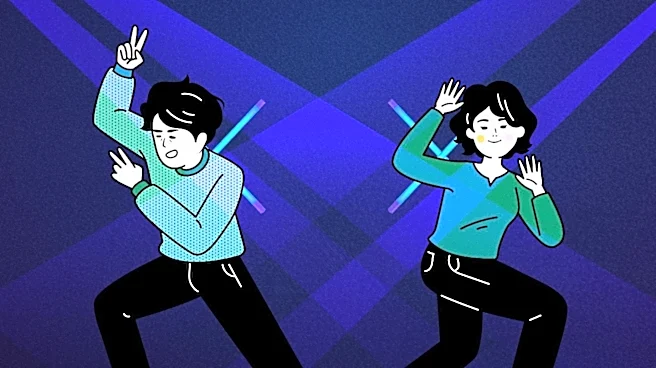





The Twist dance, popularized in the 1960s, was more than just a dance craze; it was a cultural revolution. This dance, characterized by its free-form movements and lack of partner interaction, challenged traditional norms and became a symbol of the changing social landscape. As the Twist gained popularity, it reflected the broader shifts in American society, including the rise of youth culture and the quest for personal freedom.
Breaking Traditional Boundaries
The Twist dance broke
away from the conventional partner dances that dominated the dance floors. Unlike ballroom dances, where partners moved in sync, the Twist allowed individuals to dance independently, focusing on their own movements. This shift was significant, as it represented a move towards personal expression and autonomy.
The dance's popularity was fueled by Chubby Checker's hit song "The Twist," which topped the charts and brought the dance into the mainstream. The simplicity of the Twist made it accessible to everyone, regardless of skill level, and its energetic style resonated with the youth. As teenagers embraced the dance, it became a form of rebellion against the structured dances of previous generations.
The Impact on Youth Culture
The Twist dance played a crucial role in the rise of youth culture during the 1960s. As young people sought new ways to express themselves, the Twist provided an outlet for creativity and individuality. The dance's emphasis on personal freedom mirrored the broader cultural movements of the time, including the civil rights movement and the push for social change.
Television shows and movies featuring the Twist helped spread its popularity, making it a staple at parties and social gatherings. The dance's influence extended beyond the dance floor, impacting fashion and music as artists incorporated its style into their performances. The Twist became a symbol of the era, representing the spirit of innovation and change.
Lasting Legacy and Influence
The Twist's legacy is evident in its lasting impact on dance and culture. Its influence can be seen in modern dance styles like twerking, which share similar hip movements and a focus on individual expression. The Twist's ability to adapt and evolve demonstrates its enduring relevance in American culture.
Today, the Twist is remembered as a pivotal moment in dance history, symbolizing a break from tradition and the embrace of individuality. Its journey from a dance craze to a cultural icon highlights the power of dance to reflect and shape societal changes. As we look back on the Twist, we see a dance that not only entertained but also inspired a generation to challenge norms and seek new forms of expression.