




The 1981 National League Championship Series (NLCS) represented a unique and pivotal moment in Major League Baseball history, largely shaped by an unprecedented players' strike. This strike, which lasted from June 12 to July 31, significantly altered the structure of the postseason. Instead of the traditional format, teams that finished first in their respective divisions during both the first and second halves of the season advanced to the playoffs.
This innovative, albeit temporary, arrangement led to the introduction of a League Division Series (LDS) for the first time, creating a three-round postseason that would not become a permanent fixture until the 1995 season. The NLCS itself saw the Los Angeles Dodgers face off against the Montreal Expos, a matchup that emerged from this unusual playoff path.
The Impact of the 1981 MLB Strike on Playoff Structure
The 1981 Major League Baseball season was profoundly impacted by a players' strike that caused the cancellation of approximately one-third of the regular season games. This disruption led MLB to implement a unique playoff format for that year. The season was effectively split into two halves, with division winners from each half qualifying for the postseason. This meant that a team had to win two postseason series to reach the World Series, a departure from the single Championship Series that typically preceded the Fall Classic.
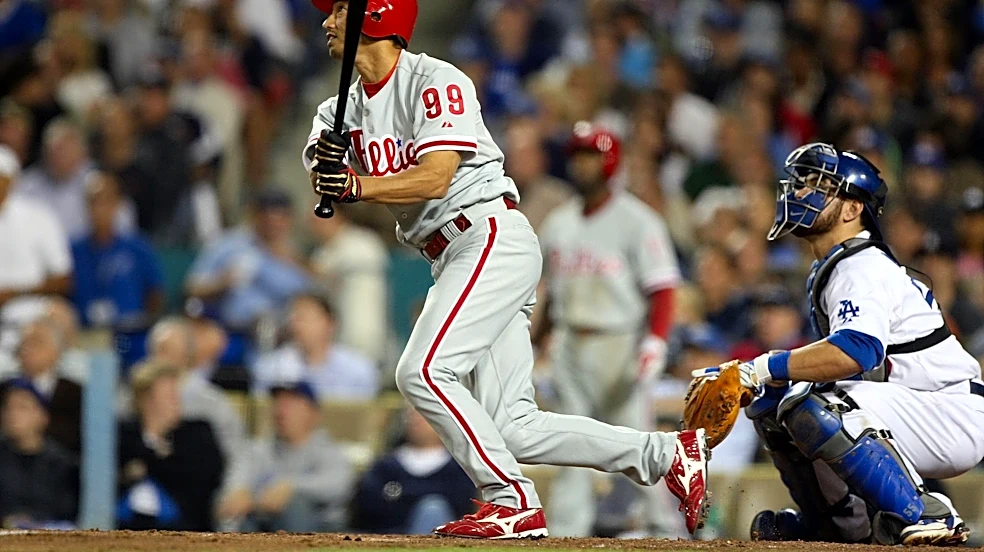
This new structure introduced the League Division Series (NLDS), a best-of-five series that served as an initial playoff round. The Montreal Expos advanced to the NLCS after defeating the defending World Series champion Philadelphia Phillies in their NLDS, winning three games to two. Similarly, the Los Angeles Dodgers secured their spot in the NLCS by beating the Houston Astros, also in a three-games-to-two NLDS. This setup ensured that only the strongest teams from both halves of the season, or those who prevailed in the new division series, would contend for the National League pennant.
The Road to the NLCS: Dodgers and Expos Journeys
Both the Los Angeles Dodgers and the Montreal Expos navigated the newly structured 1981 postseason to reach the National League Championship Series. The Dodgers, making their fourth appearance in the past six years, had a strong track record in the postseason. Their path to the NLCS involved a hard-fought victory over the Houston Astros in the NLDS, a series they won three games to two. This demonstrated their resilience and ability to perform under pressure in the expanded playoff format.
For the Montreal Expos, 1981 marked a historic milestone. It was their first-ever postseason appearance in franchise history, and notably, their only appearance during their time in Montreal. They earned their spot in the NLCS by overcoming the Philadelphia Phillies in their NLDS, also in a five-game series. This achievement was particularly significant for the franchise and its fans, representing the closest the Expos would come to a World Series appearance while based in Montreal. The NLCS thus pitted two teams with distinct postseason narratives against each other, both having successfully adapted to the season's unique challenges.
A Historic Matchup and its Legacy
The 1981 NLCS between the Dodgers and the Expos was a significant event, not only for the teams involved but also for the broader context of MLB history. It was the first postseason meeting between these two franchises. The Dodgers ultimately prevailed in a close five-game series, returning to the World Series for the fourth time in eight years. This victory underscored their consistent presence as a top contender in the National League during that era.
For the Expos, despite the loss, their journey to the NLCS and their performance against the Dodgers cemented their place in the franchise's history. The series, particularly Game 5, became a memorable event for Expos fans, often referred to as "Blue Monday" due to Rick Monday's decisive home run. This marked the closest the Expos ever got to a World Series appearance while in Montreal, and it would be their last time winning a playoff series until 2019, long after the team had relocated and become the Washington Nationals. The 1981 NLCS, therefore, stands as a testament to a season of unique challenges and the competitive spirit of both teams.