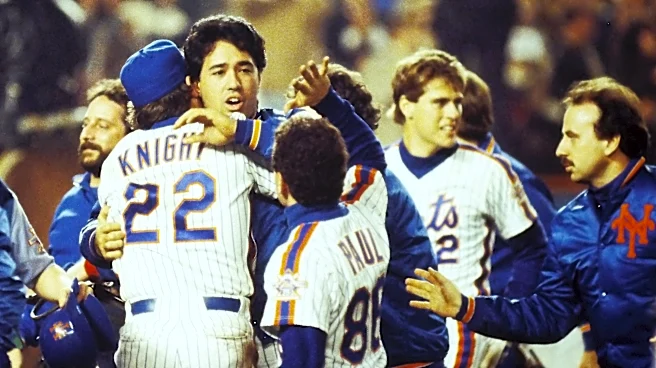






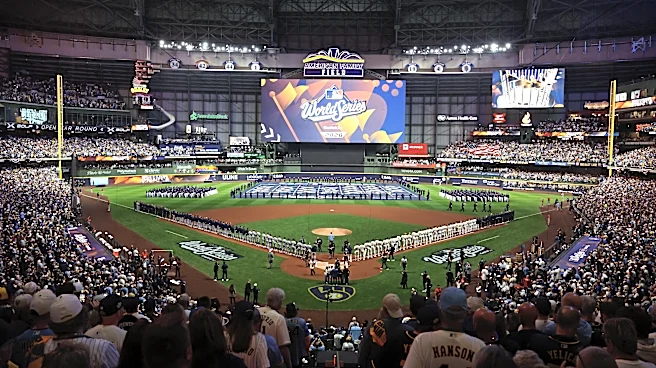

The 1986 World Series represented the 83rd installment of Major League Baseball's ultimate championship series, pitting the New York Mets against the Boston Red Sox. This series, which concluded on October 27, 1986, with the Mets emerging victorious four games to three, was notable not only for its dramatic conclusion but also for a specific rule variation regarding the designated hitter. The Mets' triumph marked their second World Series title, a significant
achievement in their franchise history, while the Red Sox continued their quest for a championship that had eluded them for decades.
The Contending Teams and Their Seasons
The New York Mets entered the World Series as the National League champions, having had a strong season. Their opponent, the Boston Red Sox, had also demonstrated considerable strength in the American League. The Red Sox finished their regular season with an impressive 95-66 record, securing the American League East division title by a margin of 5.5 games over their traditional rivals, the New York Yankees. This particular season marked a historical note, as it was the first time since 1904 that the Red Sox and Yankees occupied the top two spots in the standings. The stage was set for a compelling matchup between two formidable teams, each with their own aspirations for championship glory.
The Designated Hitter Rule in Play
One distinctive aspect of the 1986 World Series was its application of the designated hitter (DH) rule. This series was the first to implement a policy where the designated hitter was used exclusively in games played at the American League representative's stadium. This meant that when the series shifted to the Red Sox's home field, a designated hitter would be employed, but when games were played at the Mets' home stadium, pitchers would bat. This policy remained in effect for World Series games until the National League's eventual adoption of the DH in 2022, with the exception of the 2020 season when the DH was used for all World Series games after its temporary adoption in the NL during the COVID-19 shortened regular season.
This unique rule added an interesting strategic layer to the series, requiring managers to adjust their lineups and game plans depending on the venue. It highlighted the differing traditions between the two leagues at the time and contributed to the distinct character of the 1986 World Series. The eventual outcome saw the Mets overcome their American League counterparts, securing a memorable championship that would be talked about for years to come, not least for the dramatic events of Game 6.