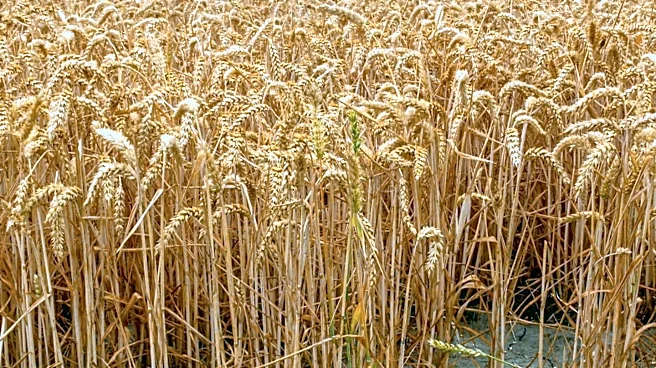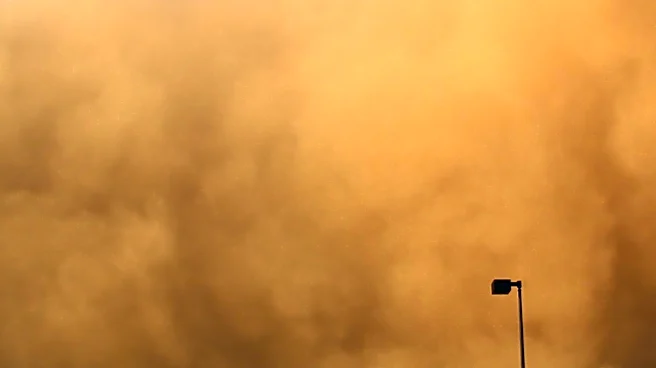

The Dust Bowl refers to a severe period in the 1930s marked by intense dust storms and prolonged droughts across North America, particularly impacting the prairie regions of the United States and Canada.
This era brought about significant damage to local economies, the environment, and agriculture, leading to the forced migration of many people who became known as "Dust Bowl refugees." The drought conditions persisted for as long as eight years, a situation made worse by unsustainable farming and grazing practices. These devastating storms were a direct result of extended drought, powerful winds, and the exposure of loose topsoil due to the removal of natural grass cover from overgrazing.
The Genesis of the Storms: Drought and Poor Practices
The emergence of dust storms during the Dust Bowl years was primarily driven by a combination of natural and human factors. Prolonged drought conditions rendered the soil dry and loose, making it highly susceptible to wind erosion. High wind speeds then easily picked up these loose particles, creating massive dust clouds. This natural vulnerability was significantly exacerbated by poor farming and grazing practices prevalent in the region.
One particularly detrimental farming technique was dryland farming, especially when it involved intensive tillage or a lack of established crops or cover crops during vulnerable periods before revegetation. In a semi-arid climate, these practices dramatically increased the land's susceptibility to dust storms. The removal of natural grass cover through overgrazing also exposed vast areas of topsoil, leaving it unprotected against the relentless winds. The combination of these factors created an environment ripe for the catastrophic dust storms that defined the Dust Bowl era.
The Human Toll: Displacement and Migration
The environmental catastrophe of the Dust Bowl had profound human consequences, forcing countless families to abandon their homes and livelihoods. In 1935 alone, many families were compelled to leave their farms, with over 350 houses needing to be torn down after just one storm. Many homesteaders faced mortgage foreclosures, and others felt they had no alternative but to leave their farms in search of work, resulting in more than 500,000 Americans becoming homeless.
Between 1930 and 1940, approximately 3.5 million people migrated out of the Plains states. A significant number of these Americans headed west, particularly to California, seeking employment. Parents would pack their families and a few personal belongings into "jalopies" and embark on the arduous journey. In just over a year, more than 86,000 people migrated to California, a number exceeding the migration during the 1849 gold rush. These migrants, often from Oklahoma, Arkansas, Missouri, Iowa, Nebraska, Kansas, Texas, Colorado, and New Mexico, were frequently and generally referred to as "Okies," "Arkies," or "Texies." These terms became standard in the 1930s to describe those who had lost everything and were struggling most during the Great Depression.
Beyond the Fields: Occupational Shifts and Long-Term Impact
While many migrants were farmers, the exodus also included a diverse range of professionals. A 1939 survey of about 116,000 families arriving in California in the 1930s revealed that only 43% of Southwesterners were engaged in farm work immediately before their migration. Nearly a third of all migrants were professional or white-collar workers. Upon relocating, some farmers had to take on unskilled labor, though leaving the farming sector often led to greater social mobility, as migrant farmers were more likely to transition into semi-skilled or high-skilled fields with better pay.
Non-farmers experienced more downward occupational shifts, but these were generally not significant enough to plunge them into poverty, as high-skilled migrants often shifted to semi-skilled work. While semi-skilled work paid less than high-skilled work, most of these workers were not impoverished. By the end of the Dust Bowl, migrants generally found themselves in better circumstances than those who chose to remain behind. After the Great Depression concluded, some migrants returned to their original states, but many others stayed in their new settlements. As of 2007, about one-eighth of California's population had Okie heritage, illustrating the lasting demographic impact of this period.