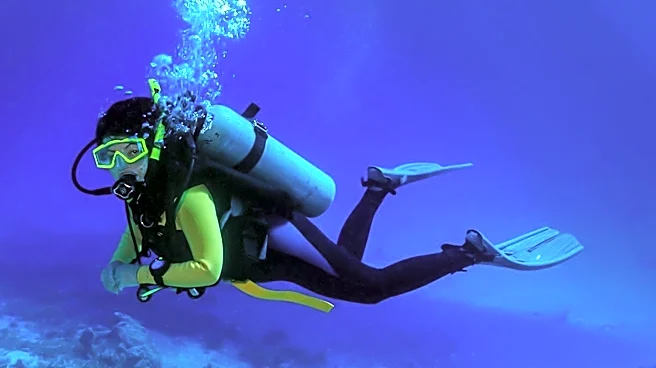








The wetsuit, a garment now ubiquitous in water sports, has a rich history of development driven by the need for thermal protection in wet environments. Its invention in 1952 by University of California, Berkeley physicist Hugh Bradner marked a significant turning point, making water activities in colder conditions more accessible and safer. From its initial fragile form to the sophisticated designs of today, the wetsuit has continuously evolved through
material science and manufacturing advancements, transforming how people interact with aquatic environments.
Early Materials and Construction Challenges
Initially, wetsuits were crafted solely from sheets of foamed rubber or neoprene without any supporting material. This early design presented considerable challenges, primarily due to the inherent fragility and stickiness of the foam rubber against the skin. Wearers had to handle these suits with extreme caution, as excessive stretching and pulling often led to tearing. To mitigate this issue and facilitate smoother donning, divers frequently applied generous amounts of talc powder to both the suit and their bodies.
The construction methods of these early suits also posed problems. Traditional sewing techniques, which simply overlapped two strips of rubber and stitched them together, were ineffective. Punching holes straight through both layers of foam for the thread created passages for water to flow in and out, making the suit cold along the seams. Furthermore, the stretching of the foam during wear tended to enlarge these needle holes, exacerbating the leakage problem. The sewn edges, while holding the pieces together, could also act as perforated tear lines, making the suits prone to ripping along the seams when being put on or taken off.
Advancements in Backing and Sealing Technologies
A major leap forward occurred with the introduction of backing materials. Nylon knit cloth was first applied to one side of the neoprene, significantly improving durability and ease of wear. This backing allowed a swimmer to pull on the suit more easily, as the nylon absorbed most of the stress and reduced friction against the skin. However, these suits still had bare foam exposed on the outside, and the nylon was relatively stiff, limiting flexibility. A small strip of neoprene, reversed with the rubber against the skin, could help provide a sealing surface around the neck, wrists, and ankles to keep water out.
Further improvements in sealing and construction led to the "semi-dry" suit. This involved better seals at the neck, wrists, ankles, and zippers, which reduced "flushing"—the replacement of warm water trapped between the suit and body with cold water from the outside. Seam taping was developed to address the issues of leaking needle holes. This involved bonding a strong nylon cloth tape with a thin, solid waterproof rubber backing across the seam, either with a chemical solvent or a hot rolling heat-sealer. This tape covered sewing holes and added strength, preventing tears. When colorful double-backed neoprene suits emerged, taping moved to the inside, as the wide, often jagged, black tape was considered unsightly.
The Rise of Double-Backed Neoprene and Modern Features
The 1970s saw the advent of double-backed neoprene, where the foam rubber was sandwiched between two protective fabric outer layers. This greatly increased tear-resistance and allowed for decorative colors, logos, and patterns to be incorporated through panels and sewn strips. This shift from plain black rubber to full color became prominent in the 1980s, with brilliant fluorescent colors becoming common. Highly elastic fabrics like spandex (also known as Lycra) eventually replaced plain nylon backing, offering greater stretch and comfort, making tailoring less critical.
Another significant innovation was the blind stitch method, developed after nylon-backed neoprene appeared. This technique uses a curved needle that does not penetrate all the way through the neoprene, instead just shallowly dipping behind the fabric backing, crossing the glue line, and emerging on the same side. This eliminated water-leakage holes along the seam and allowed seams to lie flat, rapidly becoming the primary method for wetsuit construction. More recently, precision computer-controlled cutting and assembly methods, such as water-jet cutting, have enabled greater seam precision, allowing designers to use many small, individual strips of different colors while maintaining a smooth, ripple-free fit. Manufacturers have also experimented with combining neoprene with other materials like spandex and wool for enhanced warmth or flexibility, and some companies are even recycling older wetsuits to create low-carbon alternatives.