


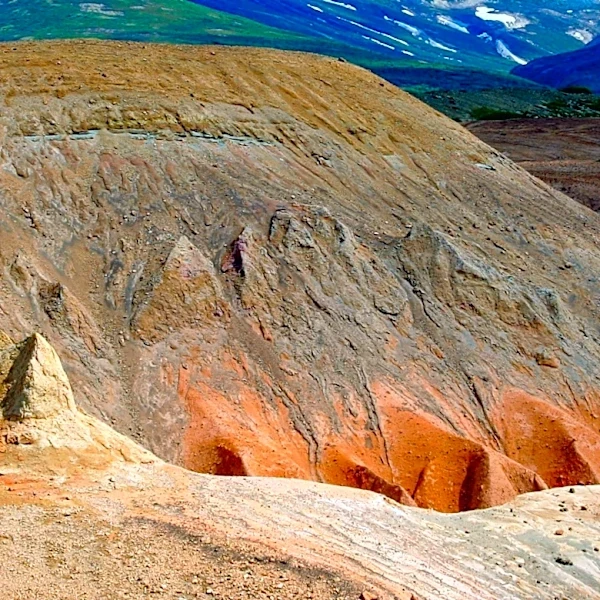






Kenai Fjords National Park, located on the Kenai Peninsula in Alaska, is a testament to the region's natural beauty and ecological significance. Established in 1980, the park covers 669,984 acres and is known for its stunning landscapes and diverse wildlife. This article explores the history and establishment of Kenai Fjords National Park, highlighting the key events that led to its creation.
From National Monument to National Park
The journey to becoming a national park began in 1978 when
the area was designated as a national monument. This initial designation was part of a broader effort to protect Alaska's unique natural landscapes and ensure their preservation for future generations. The national monument status provided a level of protection, but it was not until 1980 that the area was officially designated as Kenai Fjords National Park.
The establishment of the park was part of the Alaska National Interest Lands Conservation Act (ANILCA), a landmark piece of legislation that aimed to protect millions of acres of land across Alaska. ANILCA was instrumental in expanding the National Park System and ensuring the conservation of Alaska's natural resources. The act recognized the ecological and cultural significance of the Kenai Fjords area, leading to its designation as a national park.
The Role of the Harding Icefield
A key factor in the establishment of Kenai Fjords National Park was the presence of the Harding Icefield. This massive icefield, a remnant of the last Ice Age, is one of the largest in the United States and serves as the source for numerous glaciers that flow into the park. The icefield's unique geological features and its role in shaping the region's climate and ecosystems made it a prime candidate for protection.
The Harding Icefield is not only a natural wonder but also a critical component of the park's ecosystem. Its glaciers feed the fjords and support a diverse range of plant and animal life. The icefield's significance in the park's establishment highlights the importance of preserving such unique natural features for scientific study and public enjoyment.
A Legacy of Conservation
The establishment of Kenai Fjords National Park marked a significant milestone in the conservation of Alaska's natural landscapes. The park's creation was driven by a desire to protect the region's unique ecosystems and ensure that future generations could experience its beauty. Today, the park continues to serve as a haven for wildlife and a destination for outdoor enthusiasts.
The park's history is a testament to the power of conservation efforts and the importance of preserving natural landscapes. By protecting areas like Kenai Fjords, we ensure that these unique environments remain intact for future generations to explore and enjoy. The park's establishment is a reminder of the value of conservation and the need to protect our planet's natural wonders.