


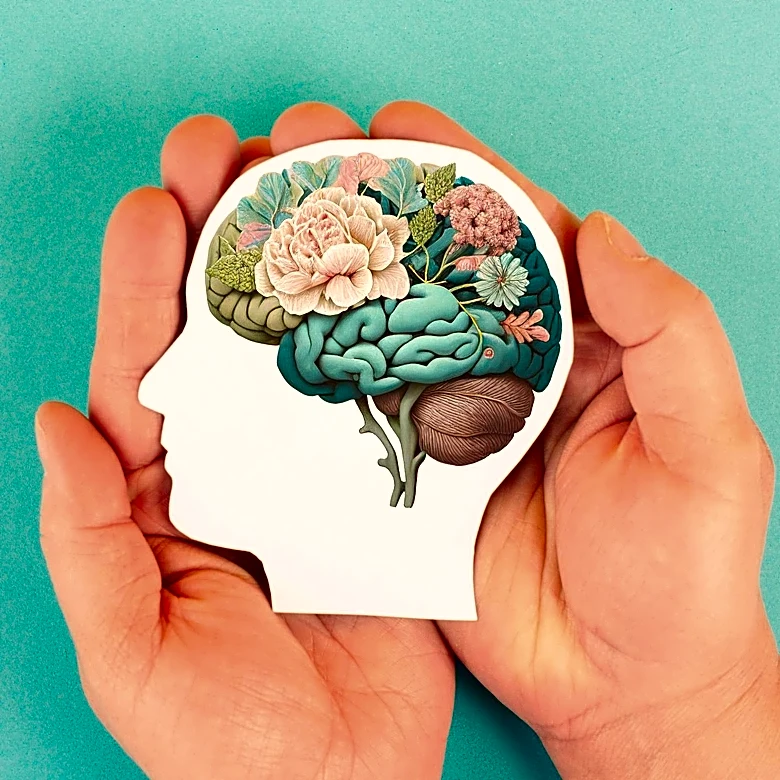




Locus of control is a psychological concept that has evolved significantly since its inception. Introduced by Julian Rotter in 1954, it has undergone various refinements and extensions, becoming a crucial element in understanding personality and behavior. This article explores the historical development of locus of control theory and its impact on psychology.
Julian Rotter and the Birth of Locus of Control
Julian Rotter, an American psychologist, first introduced the concept of locus of control
as part of his social learning theory. Rotter's theory emphasized the role of expectations and reinforcements in shaping behavior. He proposed that individuals develop generalized expectancies about whether outcomes are contingent on their actions (internal locus) or on external factors (external locus).
Rotter's work was influenced by earlier psychological theories, including Kurt Lewin's field theory and Albert Bandura's concept of self-efficacy. These theories provided a foundation for understanding how individuals perceive their ability to influence outcomes. In 1966, Rotter formalized the locus of control concept, which quickly gained traction in the field of personality psychology.
Refinements and Extensions of the Theory
In the 1970s, psychologist Hannah Levenson expanded the locus of control model by introducing a three-factor framework. Levenson's model included internality (personal control), chance (random factors), and the influence of others (social control). This extension provided a more nuanced understanding of how individuals perceive control over their lives.
Levenson's work highlighted the complexity of locus of control and its implications for behavior and mental health. Her model emphasized that individuals might attribute outcomes to a combination of personal effort, chance, and social influences. This perspective allowed for a more comprehensive analysis of how people navigate life's challenges and opportunities.
The Impact of Locus of Control on Psychology
Locus of control has become a widely used concept in various fields, including health psychology, education, and occupational psychology. It has been instrumental in understanding how individuals cope with stress, make decisions, and pursue goals. The concept has also been applied to research on mental health, highlighting the relationship between locus of control and psychological well-being.
The theory's influence extends beyond psychology, impacting fields such as sociology and organizational behavior. It has provided valuable insights into how individuals interact with their environments and the factors that shape their behavior. As a result, locus of control remains a vital tool for researchers and practitioners seeking to understand human behavior.
In conclusion, the evolution of locus of control theory reflects its enduring significance in psychology. From its origins in Rotter's social learning theory to its refinement by Levenson, the concept has provided a framework for understanding how individuals perceive and respond to life's challenges. Its continued relevance underscores the importance of locus of control in the study of personality and behavior.