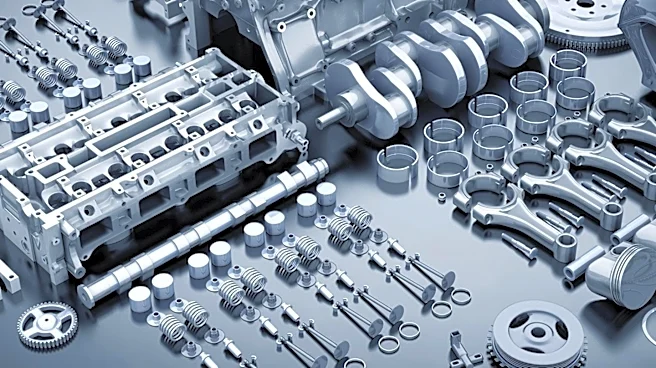






Engine displacement is a fundamental concept in the world of automotive engineering. It refers to the total volume swept by the pistons within the cylinders of a piston engine, excluding the combustion chambers. This measurement is crucial as it often serves as an indicator of an engine's size and potential power output. Understanding engine displacement can provide insights into how engines are designed to balance power and fuel efficiency.
The Basics of Engine Displacement
Engine
displacement is calculated by multiplying three key values: the stroke length, the circular area of the cylinder, and the number of cylinders in the engine. The stroke length is the distance the piston travels within the cylinder, while the circular area is determined by the bore, or diameter, of the cylinder. By combining these values, engineers can determine the total volume displaced by the pistons during one complete cycle of the engine.
This measurement is typically expressed in metric units such as cubic centimeters (cc) or liters (L), though in the United States, cubic inches (CID) are also commonly used. The choice of units can vary based on regional preferences and industry standards, but the underlying concept remains the same.
Engine Displacement and Power Output
The displacement of an engine is often used as a proxy for its potential power output. Larger displacement engines can generally produce more power because they can draw in more air and fuel, which are the primary ingredients for combustion. However, power output is not solely determined by displacement; factors such as mean effective pressure and rotational speed also play significant roles.
Manufacturers often highlight engine displacement in advertising to convey the power capabilities of their vehicles. However, it's important to note that advancements in technology, such as turbocharging and variable valve timing, can allow smaller displacement engines to produce power levels comparable to larger engines.
Displacement and Fuel Consumption
Engine displacement also has implications for fuel consumption. Generally, larger engines with greater displacement consume more fuel, as they require more air and fuel to operate. This relationship is why displacement is often considered in governmental regulations and road taxes, with many countries imposing higher taxes on vehicles with larger engines.
In some regions, manufacturers have responded to these regulations by developing engines that maximize power output without increasing displacement. This is achieved through technologies that enhance engine efficiency, allowing for higher power at lower displacements. As a result, consumers can enjoy powerful vehicles without the penalty of increased fuel consumption or higher taxes.
Understanding engine displacement is essential for anyone interested in automotive performance and efficiency. It provides a foundational understanding of how engines are designed and how they operate, influencing both the power and fuel economy of vehicles.