




The San Joaquin Valley in California, a region renowned for its agricultural output, has a long-standing history of experiencing dust storms. These natural phenomena, while sometimes localized, have periodically posed significant threats to public safety, particularly on major transportation arteries like Interstate 5. The catastrophic 1991 Interstate 5 dust storm, which led to a 104-vehicle collision, 17 fatalities, and 150 injuries, serves as a stark
reminder of the persistent challenges dust storms present in this arid, agricultural landscape. Understanding the historical context of these events is crucial to appreciating the environmental and safety dynamics of the region.
A History of Dust-Related Incidents
The 1991 dust storm was not an isolated incident but rather part of a recurring pattern in the San Joaquin Valley. Decades before the I-5 disaster, the region had already witnessed severe dust events. For instance, the Great Bakersfield Dust Storm of 1977, though occurring in a different part of the valley, demonstrated the potential for widespread disruption and danger. Even closer to the site of the 1991 tragedy, a series of smaller dust storms in 1978 caused multiple fatal crashes on the very same section of Interstate 5. These earlier events underscore that the vulnerability of I-5 to dust storms was a known issue, highlighting a persistent environmental hazard that drivers and authorities in the region have contended with over time.
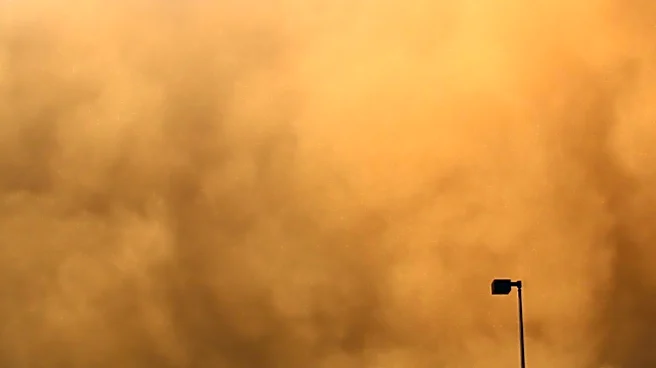
The agricultural practices prevalent in the valley, combined with its naturally dry climate, contribute significantly to these conditions. When fields are plowed and left fallow, especially during periods of drought, the exposed soil becomes highly susceptible to wind erosion. Without the protective cover of crops, fine dust particles are easily lifted into the air, creating dense, blinding clouds that can appear suddenly and without much warning.
Drought Conditions and Agricultural Practices
The specific conditions leading up to the 1991 dust storm were exacerbated by a prolonged drought. At the time of the collision, the San Joaquin Valley was in its sixth consecutive year of severe drought. This meant that the usual rainy season had not yet commenced, leaving the ground exceptionally dry and dusty. The lack of moisture made the soil even more prone to being picked up by high winds, intensifying the severity of any dust storm that formed.
Furthermore, the agricultural management of fields near the crash site played a direct role. These fields had been left fallow during the planting season, meaning they were not cultivated with crops. While this might be a standard agricultural practice, in drought conditions, it left vast expanses of land covered in loose, plowed dust. Without the natural windbreaks provided by growing crops, the dust was easily mobilized by the strong winds reported on November 29, 1991. This combination of drought and fallow fields created unusually dusty conditions, turning what might have been a manageable weather event into a deadly hazard for motorists on Interstate 5.