







The Spanish–American War, fought in 1898, concluded with the signing of the Treaty of Paris on December 10, 1898. This treaty marked a significant shift in global power dynamics, as Spain ceded its colonies to the United States, signaling the end of its empire and the emergence of the United States as a colonial power. This article examines the terms of the Treaty of Paris and its far-reaching consequences for both nations.
Terms of the Treaty
The Treaty of Paris was
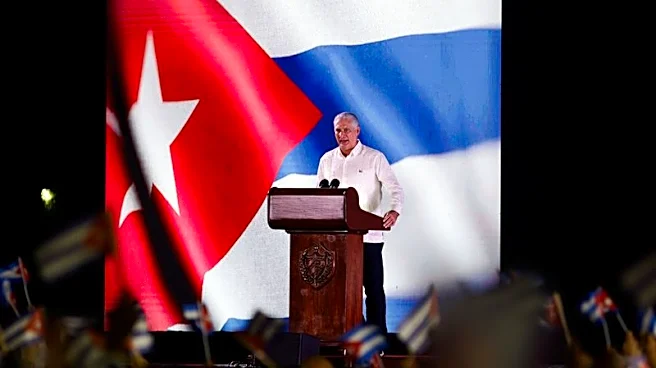
negotiated on terms favorable to the United States. Under the treaty, Spain ceded ownership of Puerto Rico, Guam, and the Philippines to the United States. Cuba was set up to become an independent state, although it effectively became a U.S. protectorate. The cession of the Philippines involved a payment of $20 million to Spain, intended to cover the infrastructure owned by Spain in the islands.
For Spain, the treaty represented a profound loss. The defeat in the war was a shock to the national psyche, leading to a philosophical and artistic reevaluation of Spanish society known as the Generation of '98. This group of intellectuals and artists called for a new Spanish national spirit, advocating for political activism and a departure from imperialistic and militaristic values.
Impact on the United States
The Treaty of Paris marked the beginning of the United States as a global power with overseas colonies. The acquisition of territories such as Puerto Rico, Guam, and the Philippines expanded American influence and provided strategic military and economic advantages. The United States installed a military government in Cuba, eventually allowing it to become an independent republic in 1902.
The treaty also set the stage for the Philippine–American War, as the Philippines rebelled against U.S. control. This conflict lasted from 1899 to 1902, resulting in significant casualties on both sides. Despite the challenges, the United States maintained its presence in the Philippines, which played a crucial role in the Pacific during World War II.
Long-Term Consequences
The Treaty of Paris had lasting implications for both Spain and the United States. For Spain, the loss of its colonies led to economic benefits, as capital previously spent on maintaining the empire was repatriated for domestic use. This influx of capital spurred the development of modern industries in Spain, including banking, manufacturing, and shipbuilding.
For the United States, the treaty marked a turning point in its foreign policy, as it embraced a more interventionist approach. The acquisition of overseas territories expanded American influence and set the stage for its role as a global superpower in the 20th century. The Spanish–American War and the Treaty of Paris remain pivotal moments in the history of both nations, shaping their trajectories for years to come.