




The single-leg deadlift is a unique exercise that stands out for its ability to enhance balance and core stability. Unlike traditional deadlifts, this variation requires the lifter to balance on one leg while performing the movement, which significantly engages the core and stabilizing muscles. This exercise is particularly beneficial for those looking to improve their overall balance and stability, making it a valuable addition to any fitness routine.
Understanding the Single-Leg Deadlift
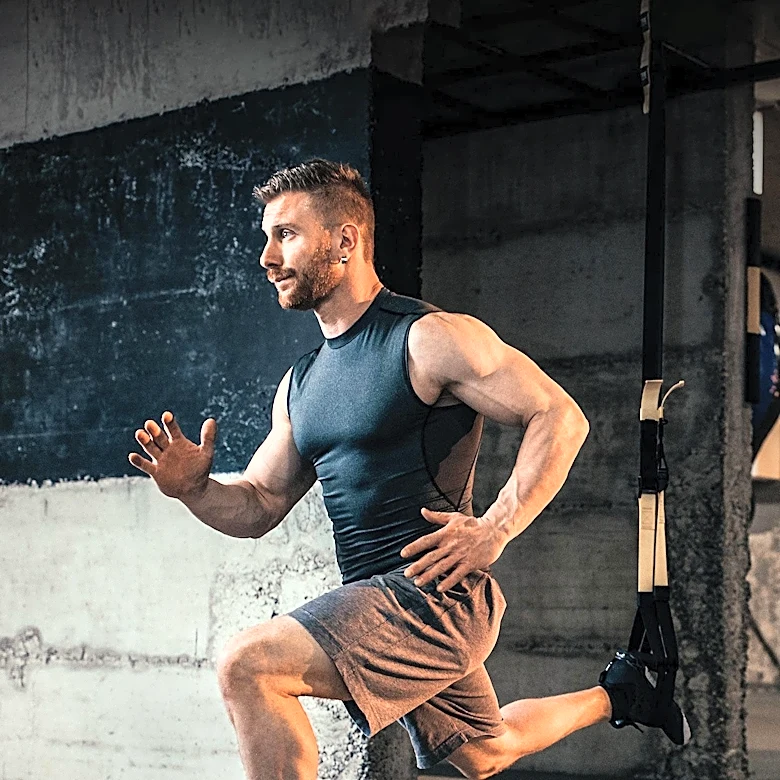
The single-leg deadlift is performed by standing on one leg while the other leg is raised behind the body. The grounded leg is primarily responsible for lifting the weight and powering the movement. As the weight is lifted, the raised leg remains roughly parallel to the straight grounded leg. When the weight is lowered, the raised leg moves behind as the person bends over. This movement pattern not only targets the muscles of the grounded leg but also requires significant engagement from the core to maintain balance.
The unilateral nature of the single-leg deadlift means that it utilizes the hips more than a bilateral deadlift would. This increased hip engagement is beneficial for developing strength and stability in the hip region, which is crucial for overall balance. Additionally, the exercise's demand for core stability helps improve the body's ability to maintain balance during various activities.
Benefits of Improved Balance and Stability
Improving balance and stability through exercises like the single-leg deadlift has numerous benefits. For athletes, enhanced balance can lead to better performance in sports that require quick changes in direction or maintaining stability on uneven surfaces. For the general population, improved balance can reduce the risk of falls and injuries, particularly as one ages.
The single-leg deadlift also contributes to better posture and alignment. By strengthening the core and stabilizing muscles, individuals can achieve a more upright posture, which can alleviate back pain and improve overall body mechanics. This exercise is particularly useful for those who spend long hours sitting, as it counteracts the negative effects of prolonged sitting on posture and stability.
Incorporating the Single-Leg Deadlift into Your Routine
Incorporating the single-leg deadlift into a fitness routine can be done in various ways. It can be performed with different types of weights, such as dumbbells, kettlebells, or even a barbell, depending on the individual's strength and experience level. Beginners may start with lighter weights to focus on mastering the balance and form before progressing to heavier loads.
To maximize the benefits of the single-leg deadlift, it is important to maintain proper form throughout the exercise. This includes keeping the back straight, engaging the core, and ensuring that the movement is controlled and deliberate. By doing so, individuals can effectively improve their balance and stability, leading to better overall fitness and reduced risk of injury.