




The 2020s have been a period of diverse and often contrasting fashion aesthetics, moving beyond a single dominant style. This era saw the rise of specific named trends, each with its own unique characteristics and cultural influences. From the vibrant and mood-boosting "dopamine dressing" to the nature-inspired "cottagecore" and the practical "gorpcore," these aesthetics reflect a desire for individuality, comfort, and a connection to various subcultures
and historical periods. Social media played a significant role in popularizing and disseminating these niche styles, allowing for a rich tapestry of fashion expression.
The Rise of Dopamine Dressing
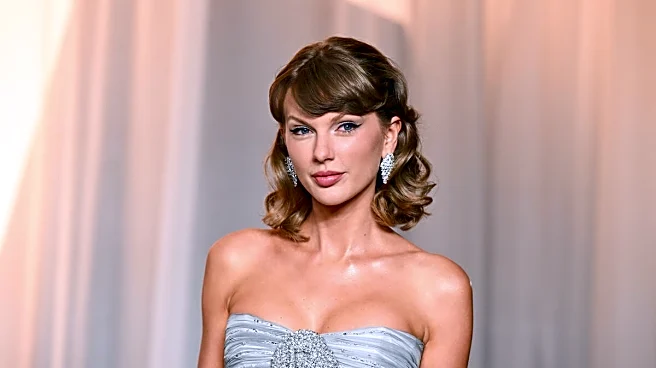
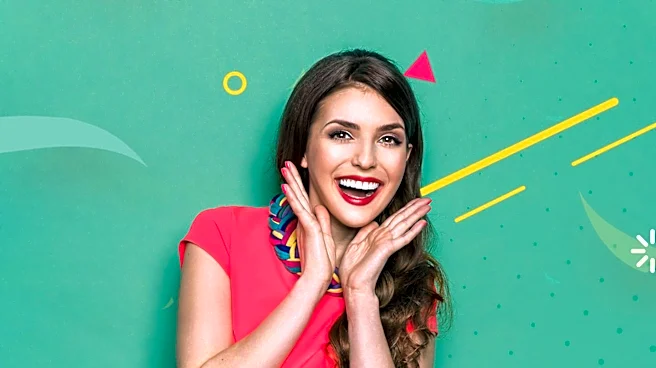
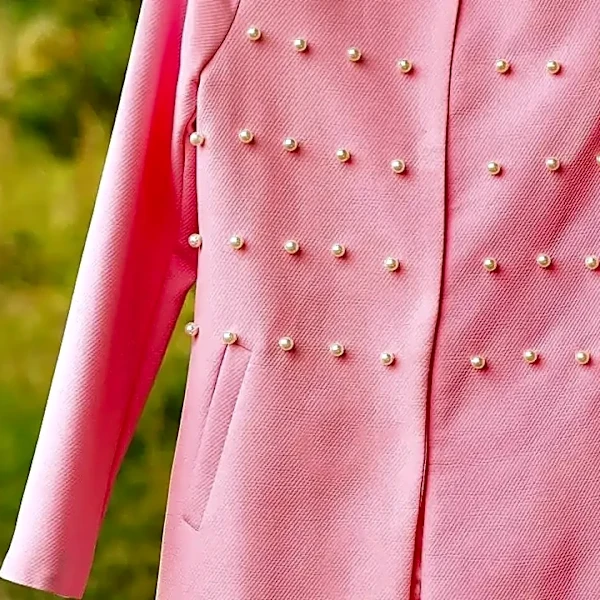
Inspired by maximalist and 1980s trends, "dopamine dressing" made a striking comeback for women in the US, France, China, South Korea, and Ukraine by spring 2023. This movement focused on vibrant clothing intended to boost mood and express joy. Key elements included long skirts, belted maxi dresses with thigh splits, and an abundance of gold and pearl jewelry. Neon blue tights were also a notable feature, adding to the colorful and expressive nature of the trend. This glitzy and luxurious evening wear, often with shiny or metallic detailing, was seen as a direct reaction to the super casual trends prevalent during the COVID-19 pandemic, showcasing a renewed appreciation for going out and celebrating.
A dressier, more summery variant of dopamine dressing emerged as "Italian garden party core." This style incorporated Mediterranean-inspired elements of cottagecore, featuring items like pink Mary Janes, white, green, baby blue, or pink shirt dresses with fruit, leaf, and floral patterns. Straw hats, peach-colored off-the-shoulder peplum dresses, and gladiator sandals completed this whimsical and elegant look. Oversized striped cardigans, multicolored silk skirts with seashell or floral prints, and strappy sandals were also in vogue, alongside contrasting stripe pants, Ugg boots, floral maxi skirts, Y2K-inspired platform shoes, and chunky red rain boots. Shimmery jumpsuits, knitted dresses, and leather pilot jackets with faux fur collars added flair, while bold vertical-striped skirts, bootcut trouser suits, and jeans with glittery accents rounded out the style.
Nature-Inspired and Academic Aesthetics
Nostalgia-driven sub-trends like cottagecore gained significant traction, encompassing related aesthetics such as grandmacore, fairycore, farmcore, and goblincore. Cottagecore itself is defined by pastel colors and palettes that evoke a romantic, idealized country aesthetic. Typical clothing included prairie dresses, blue gingham mini-dresses, white gypsy tops with multicolored Mexican-inspired floral embroidery, and hippie-style maxi dresses inspired by the late 1960s. An urban variant, "allotment chic," became popular in the UK, defined by garden workwear. This included oversized linen gilets, cotton twill maxi skirts, pinafore dresses, cropped dungaree pants with multiple pockets, chunky knitted cardigan sweaters, and earth tones like olive green, brown, sage green, marigold yellow, tangerine orange, and ecru.
Another distinct aesthetic was "dark academia," or "bookcore," which combined elements of preppy and gothic fashion, heavily influenced by 1930s and 1940s attire worn by students at Oxbridge, Ivy League colleges, and prep schools. Key items included oversized cardigan sweaters, oxford blue rowing blazers with contrasting white trim, dress shirts, plaid skirts, dark turtleneck sweaters, tights, knee socks, Oxford shoes, leather satchels, ballet flats, white sneakers, twill jogger pants, and apparel made of houndstooth, and dark grey or brown tweed sport coats. The typical color palette consisted primarily of black, white, beige, browns, dark green, and occasional navy. A related style, "light academia," featured neutral and light colors, including soft blues, pinks, whites, creamy yellows, beige, light greys, light purple, pastel, and dusty colors, plaid, stripes, and argyle patterns reminiscent of the early 1980s preppy look.
Gorpcore and Genderless Fashion
Gorpcore, a style that emerged in the late 2010s and early 2020s, incorporates tech-based, loose-fitting outdoorsy and camping-chic inspired styles. A significant part of this aesthetic is defined by earthy and muted tones, such as olive green, khaki, beige-grey marl, and horizon blue, often found in outdoor gear. Apparel pieces include down jackets, body warmers, anoraks, utilitarian rucksacks, crew neck and v-neck t-shirts with zipper pockets, utility pants, moisture-wicking trekking shirts, knit caps, big headphones, and racer-glasses. Brands like Arc'teryx, Patagonia, and The North Face are associated with gorpcore, which is considered unisex and reflects a search for new ways to incorporate outdoor activity-related clothing into modern urban settings.
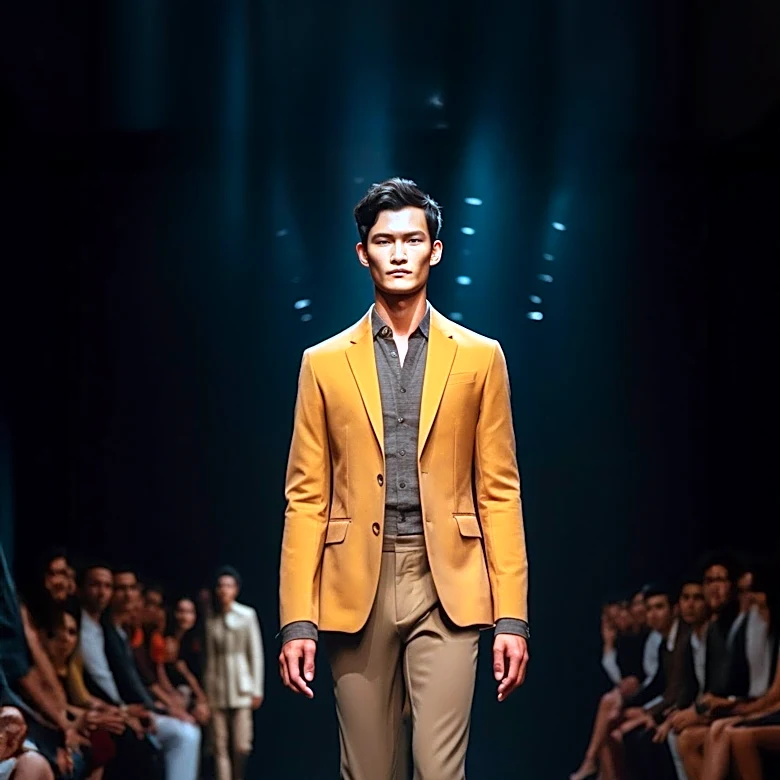
Genderless fashion also gained popularity on the red carpet, online, and in LGBTQ+ spaces, serving as a form of self-expression that challenges traditional norms. Originating as a niche trend in Japan, genderless styles became mainstream in the US, South Korea, and the UK by 2021, with androgynous looks reshaping male beauty standards. Influences included 1980s fashion, anime, and K-pop boy bands, featuring elements like dyed hair, makeup, short shorts, knee socks, and bright colors. Men on the red carpet were seen wearing more accessories like feather boas and pearl jewelry, choosing items such as kimono-style shirts, frilly lace blouses, and tunics, alongside footwear like boots with stacked Cuban heels, crop tops, furry Ugg boots, and kilts.