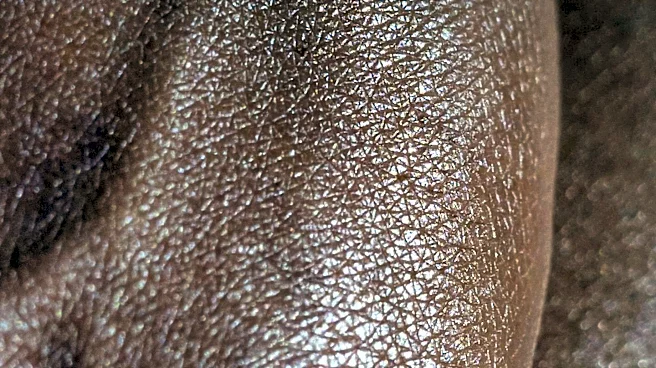








The ability to perceive our environment through touch, temperature, and pain is made possible by a complex network of specialized sensory receptors. These receptors, collectively known as cutaneous receptors when located in the skin, are the initial points of contact between our bodies and the external world. They translate various physical stimuli into electrical signals that our nervous system can understand, forming the foundation of our somatosensory
experiences. Without these intricate cellular structures, our perception of pressure, vibration, heat, cold, and even the subtle nuances of texture would be impossible.
Mechanoreceptors: Sensing Touch, Pressure, and Vibration
Among the most vital cutaneous receptors are mechanoreceptors, which are specifically designed to respond to mechanical forces such as pressure and distortion. These are further categorized based on their response characteristics and location. Tactile corpuscles, for instance, are found in the dermal papillae, particularly in sensitive areas like fingertips and lips. They react to moderate vibration (10–50 Hz) and light touch, responding with quick action potentials. Their sensitivity is crucial for tasks like reading Braille and feeling gentle stimuli.
Another type, Merkel cell nerve endings, are situated in the basal epidermis and hair follicles. They are sensitive to low vibrations (5–15 Hz) and deep static touch, enabling the perception of shapes and edges. With their small receptive fields, they provide highly detailed information, making them abundant in fingertips. Unlike some other receptors, they are not encapsulated, allowing them to respond to sustained pressures over long periods. Pacinian corpuscles, on the other hand, are responsible for detecting gross touch and distinguishing between rough and soft substances. They react with quick action potentials, especially to vibrations around 250 Hz, and possess large receptor fields. These receptors are unique in that they only respond to sudden stimuli, quickly adapting to constant pressures like those from clothing. Bulbous corpuscles, which react slowly, respond to sustained skin stretch and are important for sensing object slippage, playing a significant role in kinesthetic sense and controlling finger movements.
Nociceptors and Thermoreceptors: The Sentinels of Pain and Temperature
Beyond mechanical sensations, the somatosensory system also includes receptors dedicated to detecting potentially harmful stimuli and changes in temperature. Nociceptors are specialized receptors that specifically respond to signals of pain. This pain information is considered "noxious" and alerts the body to potential damage. Thermoreceptors, meanwhile, are responsible for relaying temperature information under normal circumstances. While the exact mechanisms of thermoreceptors are still being explored, it is known that mammals possess at least two distinct types: the end-bulb of Krause, which detects temperatures above body temperature, and Ruffini's end organ, which detects temperatures below body temperature.
These receptors are not merely passive sensors; they initiate a cascade of events. When activated, they stimulate peripheral sensory neurons that transmit signals to the spinal cord. These signals can then trigger reflexive actions or be relayed to the brain for conscious perception, allowing us to experience and react to the full spectrum of somatosensory input. The distinction between low-threshold mechanoreceptors, which respond to harmless stimuli, and high-threshold mechanoreceptors, which respond to harmful stimuli, further illustrates the sophisticated nature of this sensory system in protecting and informing the organism.