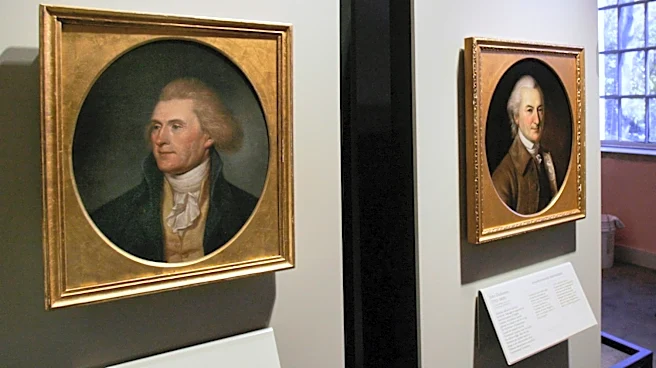








In the summer of 1775, as tensions between the American colonies and Great Britain reached a boiling point, a group of colonial leaders sought to avoid the looming conflict through diplomacy. This effort culminated in the Olive Branch Petition, a document drafted by John Dickinson and supported by notable figures like Benjamin Franklin. The petition was a final attempt to reconcile with King George III and prevent the outbreak of war. Despite its
intentions, the petition was ultimately rejected, setting the stage for the Revolutionary War.
Drafting the Petition
The Olive Branch Petition was crafted during a time of great uncertainty and fear among the American colonies. John Dickinson, a prominent lawyer and politician, took the lead in drafting the document. He was joined by a committee that included Benjamin Franklin, who was well-respected for his diplomatic skills. The committee aimed to express the colonies' loyalty to the British crown while addressing their grievances and seeking a peaceful resolution.
The petition was carefully worded to convey respect and allegiance to King George III, emphasizing the colonies' desire to remain part of the British Empire. It outlined the various grievances the colonies had with British policies, particularly those that infringed upon their rights and autonomy. The hope was that by presenting their case in a respectful manner, the king would be persuaded to intervene and address their concerns.
The Rejection by King George III
Despite the earnest efforts of Dickinson and his committee, the Olive Branch Petition was met with rejection. King George III, who had grown increasingly frustrated with the colonies' resistance, refused to even read the document. Instead, he declared the colonies to be in a state of rebellion, effectively closing the door on any chance of peaceful reconciliation.
The rejection of the petition was a significant turning point. It signaled the end of any hope for a diplomatic solution and solidified the path toward war. The colonies, feeling spurned and without recourse, began to prepare for the inevitable conflict. The failure of the Olive Branch Petition underscored the deep divisions between the colonies and the British government.
The Legacy of the Olive Branch Petition
While the Olive Branch Petition did not achieve its intended goal, it remains an important historical document. It represents the last genuine effort by the colonies to avoid war and highlights the complexities of the relationship between the colonies and Great Britain. The petition is a testament to the desire for peace and the lengths to which the colonial leaders were willing to go to preserve it.
In retrospect, the Olive Branch Petition serves as a reminder of the challenges of diplomacy and the consequences of its failure. It is a poignant example of how miscommunication and intransigence can lead to conflict, a lesson that resonates even today.