



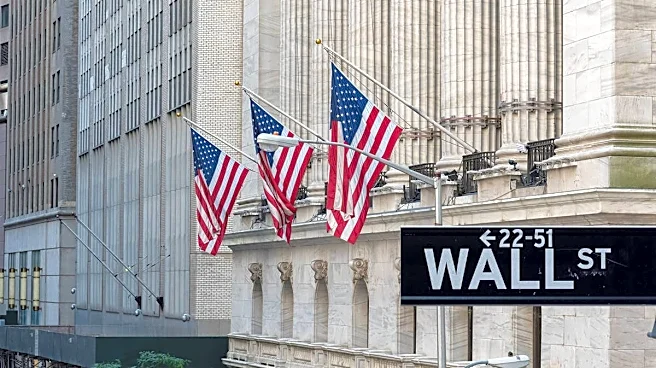


The New York Stock Exchange (NYSE) has undergone significant transformations in the 21st century, marked by technological advancements and substantial growth. As the world's largest stock exchange by market capitalization, the NYSE has adapted to the changing landscape of global finance, embracing electronic trading systems and expanding its reach. This article delves into the key developments that have shaped the NYSE in recent years, highlighting
its continued dominance in the financial world.
Technological Advancements
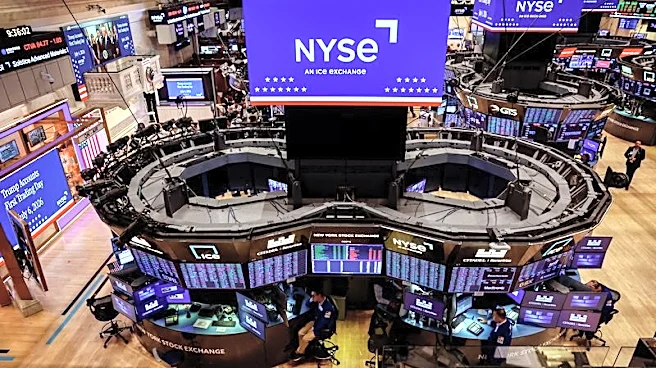
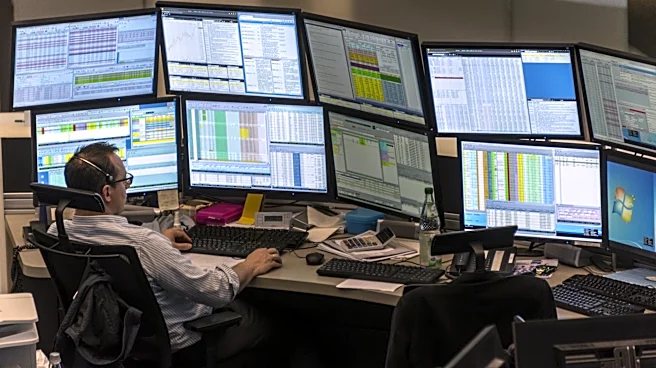
In the early 2000s, the NYSE began transitioning from traditional floor trading to electronic systems, a move that revolutionized the way stocks were traded. This shift was driven by the need for faster, more efficient trading processes that could handle the increasing volume of transactions. The introduction of electronic trading platforms allowed for real-time data exchange and reduced the reliance on physical presence on the trading floor.
The merger with Archipelago in 2005 was a pivotal moment in this technological evolution. By integrating Archipelago's electronic trading capabilities, the NYSE transformed into a publicly traded company, known as NYSE Group. This merger marked the beginning of a new era, where technology played a central role in the exchange's operations. The subsequent merger with Euronext in 2007 further solidified the NYSE's position as a global leader, creating the first transatlantic stock exchange.
Growth and Expansion
The NYSE's growth in the 21st century has been remarkable, with its market capitalization exceeding $44 trillion by January 2026. This expansion is attributed to the increasing number of listings and the exchange's ability to attract major companies from around the world. As of July 2024, the NYSE boasted 2,223 listings, reflecting its appeal to businesses seeking to raise capital and gain visibility in the global market.
The acquisition by Intercontinental Exchange (ICE) in 2013 was another milestone in the NYSE's growth trajectory. ICE's ownership brought new resources and expertise, enabling the NYSE to enhance its technological infrastructure and expand its services. This acquisition also underscored the NYSE's strategic importance in the global financial ecosystem, as it continued to be a hub for international financial activities.
Market Influence and Public Engagement
The NYSE's influence extends beyond its role as a trading platform; it is a symbol of economic power and stability. According to a Gallup poll conducted in 2022, approximately 58% of American adults reported having money invested in the stock market, highlighting the NYSE's impact on individual investors and the broader economy.
The exchange's ability to adapt to technological changes and maintain its leadership position has reinforced its reputation as a reliable and innovative institution. As the NYSE continues to evolve, it remains a cornerstone of the financial world, shaping the future of global markets and influencing economic trends.