



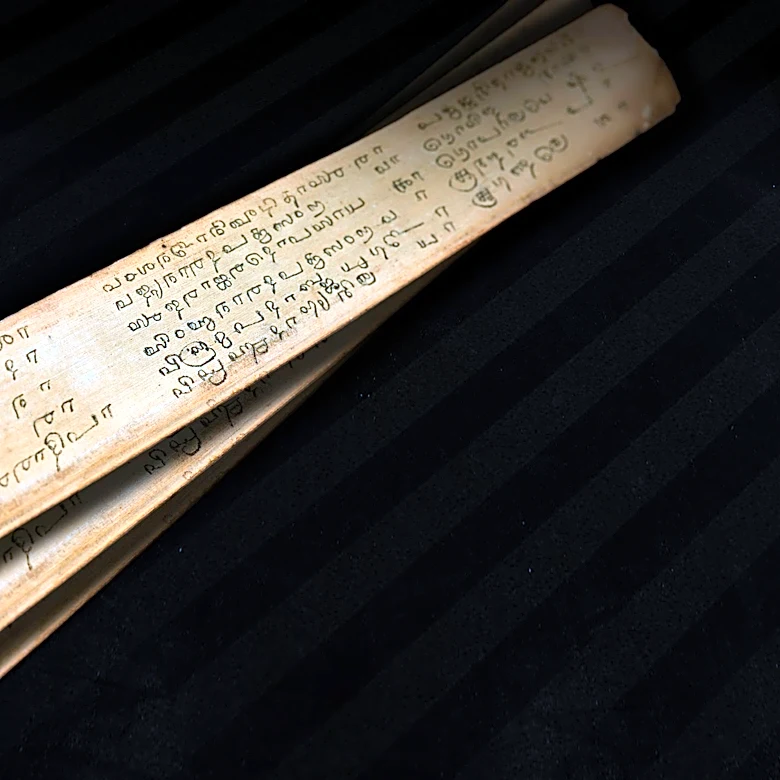





Grammar, as a system of rules governing language structure and use, boasts a rich and ancient history. Its formal study emerged as a distinct discipline in Hellenism, beginning in the 3rd century BC. This early period saw the contributions of scholars like Rhyanus and Aristarchus of Samothrace, who laid foundational groundwork. The enduring influence of these early grammarians is evident in how their basic formats continue to shape grammar guides
in many languages even today, highlighting a remarkable continuity in the approach to understanding language.
The Pioneering Work of Dionysius Thrax
One of the most significant figures in the early history of grammar is the ancient Greek scholar Dionysius Thrax. Born around 170 BC and living until approximately 90 BC, Thrax was a student of Aristarchus of Samothrace. He founded a school on the Greek island of Rhodes, a center for learning that undoubtedly fostered his grammatical insights. His most notable contribution is the *Art of Grammar* (*Téchnē Grammatikḗ*), which stands as the oldest known grammar handbook.
This succinct guide was designed to help individuals speak and write clearly and effectively. Its practical utility ensured its longevity, as it remained the primary grammar textbook for Greek schoolboys for an astonishing period, lasting until as late as the twelfth century AD. The profound impact of Thrax's work extended beyond Greek-speaking regions; the Romans, for instance, based their own grammatical writings on his model, starting from the 1st century BC. This adoption by the Romans further cemented the *Art of Grammar*'s status as a seminal text in the development of linguistic study.
Global Traditions and the Evolution of Grammatical Study
While Greek scholars were instrumental in formalizing grammar, the study of language structure has roots in other ancient cultures as well. The formal study of language is often considered to have begun in India with Pāṇini, a 5th-century BC grammarian who meticulously formulated 3,959 rules of Sanskrit morphology. However, even earlier, around 1900 BC, Sumerian scribes were already engaged in studying the differences between Sumerian and Akkadian grammar. This indicates that an awareness and analysis of grammatical structures were present in various ancient civilizations that adopted writing.
Subsequent grammatical traditions developed in all ancient cultures that embraced writing, demonstrating a universal human inclination to understand and codify the rules of their languages. The enduring legacy of these early efforts, particularly the Greek model, is that the basic format established by figures like Dionysius Thrax continues to serve as a foundation for grammar guides across numerous languages in the modern era. This historical trajectory underscores grammar's role not just as a set of rules, but as a continuous intellectual endeavor to comprehend the intricate systems that underpin human communication.